
|
Getting your Trinity Audio player ready... |
Safe and efficient electrical systems depend on strong connections between cables, terminals, equipment, and distribution points. Electrical Cable Lugs are designed to create these secure connections and help maintain reliable current flow. They are used in control panels, switchgear, transformers, motors, power distribution systems, renewable-energy installations, and many other applications.
Because cables differ in conductor material, size, load, terminal design, and operating environment, there is no single cable lug type suitable for every application. Understanding the available options helps engineers, installers, and procurement teams select products for long-term electrical performance. It is equally important to work with an experienced Cable lugs manufacturer in India or Cable Lugs Exporter that can provide consistent quality and correct specifications.
What Are Electrical Cable Lugs?
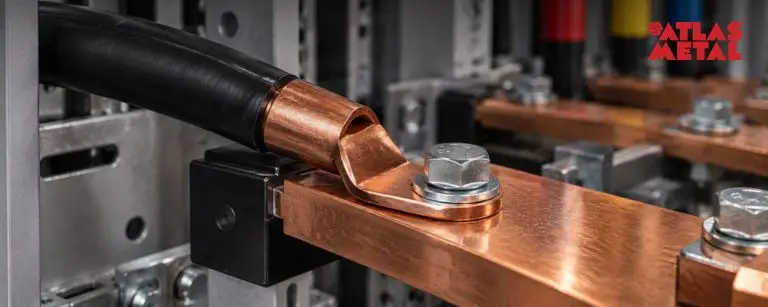
Electrical Cable Lugs are components fitted to the end of a cable so it can be connected securely to a terminal, busbar, switchgear unit, battery, transformer, motor, or other electrical equipment. Depending on the design, a lug may be crimped, compressed, or bolted onto the conductor.
A correctly selected lug helps create a firm mechanical connection and dependable electrical path. Industrial Cable Lugs must also remain stable under operating conditions such as vibration, changing temperatures, and regular electrical loads.
Common Cable Lug Types Used in Electrical Systems
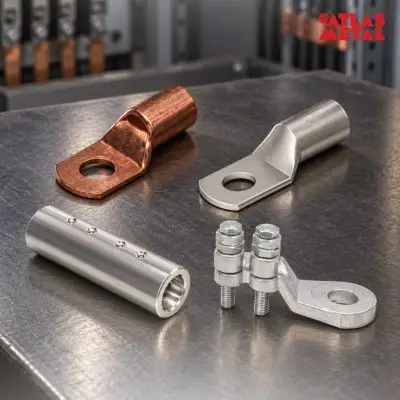
The correct cable lug type depends mainly on conductor material, cable size, terminal design, and method of installation. Common options include tubular lugs, compression lugs, mechanical or bolted lugs, and lugs designed for copper or aluminium conductors.
Tubular lugs are widely used for terminating cables to switchgear, transformers, motors, and control panels. Mechanical lugs use screws or bolts rather than crimping and can be useful where a bolted termination method is preferred.
Industrial Cable Lugs are used across power distribution, manufacturing, infrastructure, renewable energy, commercial buildings, transportation, and heavy electrical equipment.
Tubular lugs provide a straightforward method of terminating conductors and are suitable for many panel and equipment connections. Mechanical lugs are used where the connection is secured through screws or bolts. In-line connections are used when two conductors need to be joined within a cable run.
The chosen cable lug type should always match the conductor and terminal requirements rather than being selected only by appearance or general size.
Benefits of Industrial Cable Lugs
Quality Industrial Cable Lugs support a stable connection between the cable and electrical equipment. Their benefits include secure termination, easier installation and maintenance, reduced risk of loose connections, and suitability for a wide range of electrical systems.
Correct material selection is also important. Using a lug compatible with the conductor helps maintain a dependable connection and reduces problems that may develop when unsuitable materials are combined.
Choosing the Right Cable Lug Type
Before choosing a cable lug type, consider the conductor material, conductor cross-sectional area, stud or bolt size, current requirements, installation method, available space, and environmental conditions.
The lug barrel should match the conductor size, while the palm or terminal end should fit the connection point correctly. Installers should also use the recommended crimping or fastening method. Selecting only on price can lead to poor fit and unreliable termination.
Cable Connectors and cable lugs both help create electrical connections, but they do not always perform the same function.
Cable Connectors vs Cable Lugs
A cable lug normally terminates a conductor so it can be attached to equipment, a busbar, or a terminal using a bolt or similar fixing. Cable Connectors are a broader category and may be used to join two cables, connect conductors, or create other forms of electrical connection.
For example, an in-line connector can join two conductors in a cable run, while a lug typically provides an end termination. When selecting between Cable Connectors and lugs, consider whether the requirement is cable-to-cable joining or cable-to-equipment termination.
Choosing a dependable Cable lugs manufacturer in India requires more than comparing prices. Industrial buyers should review material quality, dimensional consistency, product range, manufacturing capability, inspection processes, technical data, and supply capacity.
A professional Cable lugs manufacturer in India should provide clear information about conductor sizes, bolt dimensions, product materials, and installation requirements. Consistency is especially important for projects requiring large quantities or repeated orders.
For international projects, a reliable Cable Lugs Exporter should understand export documentation, packaging, order consistency, delivery planning, and product specifications required by different markets.
A trusted Cable Lugs Exporter should also be able to supply repeat orders with consistent dimensions and quality. Buyers should confirm product specifications and applicable standards before ordering, particularly for critical industrial applications.
Atlas Metal Industries manufactures electrical wiring and earthing accessories under its ATCAB brand and offers a dedicated range of cable lugs and Cable Connectors. Its current cable-lug portfolio includes tubular regular lugs, standard tubular lugs, copper in-line connectors, and mechanical cable lugs with bolted configurations.
With manufacturing operations in Jamnagar, Gujarat, Atlas Metal Industries supports in-house manufacturing processes and quality control for its product portfolio. The company has an established presence in Indian and international markets, making Atlas Metal Industries a suitable partner for businesses seeking dependable electrical connection components.
Choosing the correct lug is important for creating reliable electrical connections. The decision should consider conductor material, cable dimensions, terminal requirements, installation method, operating environment, and the specific cable lug type required.
Whether the application needs Electrical Cable Lugs, Industrial Cable Lugs, mechanical terminations, or Cable Connectors, product quality and compatibility should remain the priority. Working with an experienced Cable lugs manufacturer in India and Cable Lugs Exporter such as Atlas Metal Industries can help businesses achieve consistency, reliability, and confidence across industrial electrical installations.
Choose a cable lugs manufacturer in India based on material quality, dimensional consistency, product range, manufacturing capability, inspection processes, technical information, and supply capacity. The manufacturer should also provide clear details about conductor sizes, bolt dimensions, materials, and installation requirements.
Common cable lug types include tubular lugs, standard tubular lugs, mechanical or bolted cable lugs, and copper in-line connectors. The suitable option depends on conductor material, cable size, terminal design, and the requirements of the destination market.
Industrial applications commonly use tubular cable lugs, compression lugs, mechanical or bolted lugs, and in-line connectors. These are used across control panels, switchgear, transformers, motors, power distribution systems, infrastructure, and other industrial electrical installations.
A cable lug is generally used to terminate a conductor so it can be connected to equipment, a busbar, or a terminal. Cable connectors are broader components that may be used to join two conductors or create cable-to-cable connections. The choice depends on whether the requirement is termination or joining.
Consider the conductor material, conductor cross-sectional area, stud or bolt size, current requirements, installation method, available space, and operating environment. The lug barrel should match the conductor size, while the palm or terminal end should fit the connection point correctly.