Category Archives: Brass Components

Categories Brass Components

How to Choose the Right PG Gland Size: From PG7 to PG48

Introduction – PG Thread Standards in Cable Glands

PG (Panzer-Gewinde) thread sizes are widely used in cable glands to ensure safe and sealed cable entries into electrical enclosures. Originating in Germany, PG threads are now a global standard in industries where cable sealing, strain relief, and mechanical protection are essential.

Choosing the right PG cable gland size is not just about fitting a cable through a hole—it’s about ensuring safety, efficiency, and compatibility with IP-rated systems. From PG7 to PG48, each gland size corresponds to a specific cable outer diameter (OD), and understanding this is crucial for selecting the right gland for your application.

In this comprehensive blog, we’ll decode the pg gland size chart, walk through the steps to choose the ideal size, and explore how these sizes apply to different cable glands types across industrial and commercial installations.

Understanding PG Sizes & Thread Dimensions

PG sizes range from PG7 (smallest) to PG48 (largest), each correlating to a unique thread diameter and suitable cable OD range. These thread sizes have specific pitch and diameter standards:

PG Size Thread Diameter (mm) Suitable Cable OD (mm)
PG7 12.5 3 – 6.5
PG9 15.2 4 – 8
PG11 18.6 5 – 10
PG13.5 20.4 6 – 12
PG16 22.5 10 – 14
PG21 28.3 13 – 18
PG29 37 18 – 25
PG36 47 22 – 32
PG42 54 32 – 38
PG48 59.3 37 – 44

Understanding these measurements helps users accurately apply the pg gland size chart in choosing glands that align with their cable specifications and enclosure entry requirements.

Key Factors to Consider When Selecting PG Glands

When choosing a PG cable gland, several key factors influence correct sizing and performance:

  1. Cable Outer Diameter (OD): The gland must match or slightly exceed the cable OD to ensure a tight, sealed fit.
  2. Enclosure Hole Size: The threaded part of the gland must match the panel or enclosure entry point.
  3. IP Rating: If you’re targeting IP54 or higher, the gland must include sealing elements like rubber inserts or O-rings.
  4. Material: Options include plastic, brass, and stainless steel. For industrial use, metal variants such as brass offer greater durability.
  5. Temperature Range: Select glands that tolerate your application’s environmental temperature.
  6. Strain Relief: The gland should provide secure strain relief to prevent cable damage.

Selecting a gland by cross-checking these factors with the pg gland size chart ensures that you avoid leaks, mechanical failure, and connection issues.

PG Size Selection Table

To simplify gland selection, here is a quick-reference pg gland size chart based on typical cable sizes:

Cable OD (mm) Recommended PG Size
3 – 6.5PG7
4 – 8PG9
5 – 10PG11
6 – 12PG13.5
10 – 14PG16
13 – 18PG21
18 – 25PG29
22 – 32PG36
32 – 38PG42
37 – 44PG48

This table is a practical guide for engineers and installers, ensuring a smooth match between cable size and gland type. Always verify with product datasheets for precise tolerance and material fit.

Common Applications by Size Range

Different cable glands types are used in varied settings, and specific PG sizes are ideal for particular applications:

  • PG7 to PG11: Used in control panels, automation systems, and sensor wiring. Ideal for low-voltage or signal cables.
  • PG13.5 to PG21: Common in HVAC units, small motors, and instrumentation setups.
  • PG29 to PG36: Applied in industrial machinery, conveyors, and power cabinets.
  • PG42 to PG48: Used in heavy-duty electrical equipment, energy plants, and marine enclosures where thick power cables are routed.

Understanding the appropriate size range helps select the right PG cable gland based on the current load, mechanical strain, and environmental sealing needs.

IP54 Considerations for Indoor & Outdoor Installations

An IP54 rating indicates that the cable gland is protected from dust and water splashes. To achieve this level of protection:

  • Use glands with sealing washers
  • Ensure the cable diameter matches the gland’s sealing range
  • Tighten the gland per manufacturer torque specifications
  • Select materials like brass or stainless steel for weather-exposed environments

PG7 and PG9 glands are commonly used in IP54-rated enclosures for lighting systems, control circuits, and automation panels. For outdoor or industrial applications, using brass PG glands can enhance sealing and lifespan.

Choosing the right PG gland with IP54 ensures system reliability in mildly wet or dusty environments—making it a key consideration in industrial cable gland types.

Step-by-Step Size Selection Guide

Here’s how to choose the right PG gland size, from start to finish:

  1. Measure Cable OD: Use a caliper or cable datasheet to determine the outer diameter.
  2. Refer to PG Chart: Use the pg gland size chart to identify the correct PG size range.
  3. Check Material Requirements: For industrial or outdoor setups, brass or stainless steel glands are ideal.
  4. Match Thread Size: Confirm that the gland fits the enclosure’s hole size and threading.
  5. Verify IP Rating: Look for IP54 or higher protection if required.
  6. Install Securely: Follow torque guidelines and use recommended sealing accessories.

Following this checklist ensures a long-lasting, secure cable entry and avoids installation errors.

Maintenance & Replacement Tips

Even the best industrial cable gland types require inspection and maintenance to ensure continued performance:

  • Periodically check gland tightness
  • Inspect rubber seals or inserts for wear or degradation
  • Replace glands if cracking, loosening, or corrosion appears
  • Keep a record of installation dates to plan replacements

Glands like PG7 or PG48 are often installed and forgotten. However, in high-vibration or outdoor conditions, routine maintenance helps avoid system failures. Replace the gland if any component seems compromised.

Conclusion

Choosing the correct PG cable gland ensures system safety, proper sealing, and long-lasting reliability. Whether you’re working with signal wiring in PG7 or routing heavy power lines with PG48, using the correct gland size prevents hazards and ensures compliance.

Explore Atlas Metal’s complete range of brass PG glands, built for durability and trusted across industries. Contact us today for quotes or guidance on selecting the right gland for your application.

FAQs

PG stands for Panzer-Gewinde, a German thread standard used for secure and sealed cable entry.

Measure the cable outer diameter and match it with the pg gland size chart for proper fit and sealing.

The right size ensures proper sealing, strain relief, and maintains the required IP rating.

Yes, PG glands are widely used in industrial panels, machinery, and legacy systems.

Yes, when correctly sized, sealed, and installed as per specifications.

PG7, PG9, PG11, PG13.5, PG16, and PG21 are commonly used across control and industrial applications.

Categories Brass Components

Brass Cable Glands: The Ultimate in Strength, Corrosion Resistance & Longevity

Introduction – Why Cable Glands Matter

Cable glands are essential components in any electrical installation. They serve as mechanical entry points for cables into enclosures, ensuring safety, protection from environmental elements, and uninterrupted connectivity. Choosing the right material for cable glands can make a significant difference in both performance and lifespan.

Among all materials available today, brass cable glands durability stands out as a leading reason for their widespread use in industrial, marine, and hazardous environments. From vibration resistance to excellent conductivity, brass glands outperform alternatives in many areas.

In this blog, we explore the complete advantages of using IP68 brass cable glands, comparing them to other types, and offering expert advice on installation and maintenance. This guide will help engineers, installers, and procurement teams make the right choice for long-term performance.

What Makes Brass So Robust?

The popularity of nickel-plated brass glands and raw brass versions in the electrical world is no coincidence. Brass, an alloy of copper and zinc, offers an ideal balance between strength and workability.

Brass has a natural resistance to corrosion and mechanical wear. In fact, corrosion-resistant brass glands are often used in high-humidity or saline environments without the need for protective coatings. When combined with nickel plating, they become even more robust against chemical exposure and oxidation.

This inherent durability allows marine-grade brass cable glands to withstand both indoor and outdoor use, especially in areas with exposure to moisture, chemicals, or mechanical stress.

For industries where reliability and safety are non-negotiable, brass offers excellent thermal resistance, mechanical strength, and a longer service life compared to many plastics or aluminum-based counterparts.

Mechanical Strength & Vibration Resistance

In dynamic or high-vibration environments such as machinery, vehicles, and industrial panels, mechanical integrity is crucial. Mechanical strength cable glands made from brass are preferred because they maintain a strong grip on the cable while resisting loosening over time.

Unlike plastic glands, which can degrade under stress, brass cable glands remain firmly secured. This results in reduced chances of cable pull-out, electrical shorts, or signal disruptions.

These features are essential in systems exposed to movement or operational vibration. Brass cable glands durability means fewer breakdowns, less downtime, and increased safety for personnel and equipment.

Even in critical installations such as automation systems, power distribution boards, or marine electrical systems, marine-grade brass cable glands ensure secure and stable connections.

When considering gland solutions for high-vibration zones, brass offers long-lasting security and strong mechanical integrity, which are unmatched by most alternatives.

Outstanding Corrosion Protection

Corrosion is one of the biggest threats to electrical infrastructure, particularly in marine or chemical environments. Corrosion-resistant brass glands are built to combat this challenge effectively.

Due to their alloy composition, brass glands naturally resist oxidation and do not rust like steel. When nickel-plated, the protection level increases even further. Nickel-plated brass glands can resist many industrial chemicals, making them ideal for chemical processing, refineries, wastewater plants, and coastal installations.

These glands also maintain their sealing and holding properties over years of exposure. The durability of IP68 brass cable glands ensures long-term protection from dust, water ingress, and corrosion, even under harsh conditions.

Thanks to their strength and anti-corrosive nature, brass glands reduce maintenance cycles and ensure safety across mission-critical environments. For engineers working in extreme conditions, they represent a smart investment.

Thermal & Electrical Conductivity

One of the often-overlooked benefits of brass is its excellent conductivity. Brass gland electrical conductivity makes these glands particularly useful for grounding and shielding purposes.

Brass has high thermal conductivity, allowing it to dissipate heat efficiently from cables, which is important in high-load or heat-sensitive applications. This minimizes the risk of overheating in sealed enclosures.

When used in shielded cable systems, brass also offers improved EMI/RFI performance by acting as an effective conductor, maintaining electrical continuity and preventing signal interference.

This dual capability—thermal and electrical—is one of the key reasons why brass cable glands durability extends beyond physical strength to include system safety and performance.

If you are designing systems where electrical conductivity and shielding are priorities, choosing a brass gland electrical conductivity solution ensures reliability in both power and data networks.

Longevity & Maintenance Benefits

Long-term reliability is critical in infrastructure planning. Industrial cable gland longevity is one of the strongest points in favor of brass.

With low wear rates, excellent resistance to environmental stress, and minimal degradation over time, brass glands remain operational for years without requiring replacement.

When you invest in IP68 brass cable glands, you’re also reducing the total cost of ownership. Unlike plastic, which may become brittle or crack over time, or aluminum, which can corrode, brass remains resilient and functional.

Minimal upkeep and reduced need for replacements contribute to lower maintenance overheads—ideal for factories, marine vessels, offshore rigs, and energy installations.

This long life, combined with mechanical reliability, makes brass cable glands durability a practical benefit for industries looking for dependable and cost-effective solutions.

Performance Comparison: Brass vs Alternatives

How does brass stack up against common alternatives like nylon, plastic, or stainless steel?

Property Brass Nylon / Plastic Stainless Steel
Corrosion Resistance High Low High
Mechanical Strength High Moderate Very High
Electrical Conductivity High None Moderate
Thermal Resistance High Low High
Cost Moderate Low High
Reusability Yes Limited Yes

Brass cable glands durability offers a well-rounded solution. While stainless steel may be tougher, it is costlier and not as electrically conductive. Plastics, although cheaper, compromise on safety and longevity.

In harsh or high-risk applications, nickel-plated brass glands deliver both the corrosion resistance of stainless steel and the workability of plastic, offering the best of both worlds.

Best Practices for Installation & Maintenance

To maximise the life of your IP68 brass cable glands, proper installation and regular inspection are crucial.

Installation Tips:

  • Always use compatible tools and avoid over-tightening.
  • Match the gland size to the cable diameter precisely.
  • Check for the correct IP rating; ensure IP68-rated glands for underwater or dusty environments.
  • Use appropriate sealing washers to maintain ingress protection.

Maintenance Tips:

  • Inspect periodically for signs of corrosion or wear.
  • Ensure glands remain tightly secured; re-tighten if needed.
  • Replace if the gland shows deformation or thread damage.

Following these steps helps retain the industrial cable gland longevity benefits brass glands are known for. Proper installation enhances their resistance to environmental damage and mechanical stress.

Conclusion

Whether you’re designing a new industrial system or upgrading an existing one, brass cable glands durability provides unmatched performance in demanding environments. They stand strong in the face of vibration, corrosion, and heat—ensuring safety and reliability over years of use.

By choosing nickel-plated brass glands or marine-grade brass cable glands, you invest in quality, longevity, and peace of mind.

Explore the full range of IP68 brass cable glands available at Atlas Metal—your trusted name in precision brass components for industrial applications.

FAQs

Brass cable glands offer high mechanical strength, corrosion resistance, and long service life, making them ideal for industrial environments.

Yes. Brass naturally resists corrosion, and nickel-plated brass cable glands provide added protection against chemicals, moisture, and salt exposure.

IP68 brass cable glands provide superior protection against dust and continuous water immersion, ensuring long-term sealing and safety.

Yes. Marine-grade brass cable glands are well-suited for outdoor, coastal, and high-humidity environments.

Yes. Brass cable glands are stronger, more vibration-resistant, and last significantly longer than plastic alternatives.

Absolutely. Their mechanical strength ensures secure cable grip even in high-vibration machinery and equipment.

Categories Brass Components

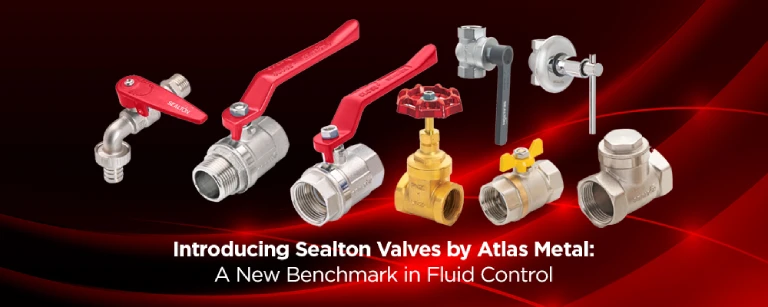
Introducing Sealton Valves: A New Benchmark in Fluid Control at Atlas Metal

Precision Fluid Control by Atlas Metal

Fluid control is at the heart of every efficient industrial system, whether it’s a water supply network, HVAC installation, or chemical processing unit. With the increasing demand for reliability, safety, and durability in fluid management systems, the need for trusted valve solutions is greater than ever.

Atlas Metal, a leading name in the brass fittings industry, proudly introduces Sealton Valves—a refined answer to modern fluid control solutions. Known for its legacy of engineering excellence and product innovation, Atlas Metal now expands its product line with this precision-engineered range of valves.

In this blog, we explore the significance of Sealton Valves introduction, what makes them unique, and how the new Atlas Metal valve range redefines performance in plumbing, heating, oil & gas, and industrial applications.

Why Sealton Valves? Built on Trust, Designed for Performance

The Sealton Valves introduction is not just a product launch—it’s a result of Atlas Metal’s commitment to solving fluid control challenges across industries. These valves are designed to offer durability, ease of installation, and superior resistance to corrosion and wear.

Backed by Atlas Metal’s high-precision brass casting and machining expertise, Sealton brass valves are forged using high-quality brass to ensure optimal flow control and mechanical stability. Their design ensures minimal pressure drop and smooth flow transition, critical for systems where performance cannot be compromised.

As a reputed Jamnagar valve manufacturer, Atlas Metal understands the needs of global markets. That’s why the Sealton range conforms to international specifications, offering users a safe and standardized solution for varied operating conditions.

These valves also stand out due to:

  • Enhanced leak-tight performance
  • Low maintenance needs
  • Broad compatibility with other brass and metal fittings
  • Long-term reliability under both high and low pressure conditions

By choosing Sealton brass valves, you ensure consistent fluid control and a longer operational life for your system.

Product Spotlight: Brass Non-Return Valve (NRV)

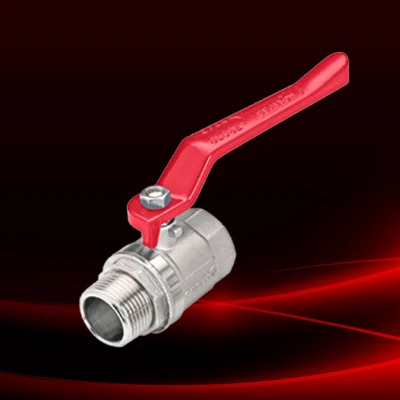
Among the stars in the Atlas Metal valve range, the Brass Non-Return Valve (NRV) under the Sealton Valves line is an industry favorite. Designed to allow flow in one direction while preventing backflow, this valve plays a critical role in protecting pumps, pipelines, and equipment.

Key Features of Sealton NRV:

  • Forged brass construction for durability: Built to withstand daily pressure fluctuations and resist deformation.
  • Threaded ends for easy installation: Enables fast and secure connection with minimal tooling.
  • Excellent corrosion resistance: Performs well even in environments with high moisture or exposure to aggressive fluids.
  • Smooth internal passage: Reduces turbulence and enhances flow efficiency.

The brass check valve Sealton is especially useful in systems where backflow could cause operational inefficiency or equipment damage. It is a key component in maintaining safe and efficient fluid transport.

This NRV is a strong example of industrial valve innovation—balancing form, function, and cost-effectiveness to serve real-world needs. Whether you are an engineer, contractor, or system designer, the Sealton brass valves offer performance you can depend on.

Applications Across Industries

The Sealton series is crafted with real-world applications in mind. Whether your requirement is residential plumbing or industrial-scale fluid systems, Sealton Valves are engineered to deliver reliability and efficiency.

Where Sealton Valves Work Best:

  1. Water treatment and supply systems: Ensure smooth and uninterrupted water flow with high-quality valve operation.
  2. HVAC and heating pipelines: Control the distribution of heating or cooling fluids with minimal risk of leakage or pressure drops.
  3. Oil and gas installations: Durable under extreme conditions, ideal for high-pressure and flammable environments.
  4. Chemical processing units: Resistant to corrosion and compatible with various chemical substances.
  5. Pumping systems: Prevent backflow and safeguard pump units from operational stress.

As a trusted Jamnagar valve manufacturer, Atlas Metal brings years of domain knowledge into every Sealton valve produced. Every product from this line represents the essence of fluid control solutions with precision, safety, and long-term value.

Whether you’re retrofitting old systems or designing a new installation, the adaptability of Sealton brass valves ensures that they integrate effortlessly with a wide range of equipment and piping systems.

Applications of Brass NRVs in Industrial Setups

Non-return valve uses are widespread in both residential and industrial environments. The primary function is to protect fluid systems from reverse flow, which can cause pressure surges, contamination, or pump failures.

Sealton brass NRVs are used extensively across the following:

  1. Water Distribution Systems
    • Prevent backflow contamination in municipal and building water networks.
  2. Pumping Systems
    • Protect pumps from water hammer and flow reversal after shutdown.
  3. Chemical Processing
    • Ensure unidirectional flow in systems carrying fluids with corrosive or reactive properties.
  4. Heating and Cooling Circuits
    • Maintain proper flow direction in HVAC pipelines, preventing airlocks and energy loss.

These applications highlight why a dependable backflow prevention valve is vital to system longevity and operational safety. With increased demand in infrastructure, real estate, and industry, buyers need valves that combine durability, cost-efficiency, and easy installation.

By offering these benefits, Sealton Valves Private Limited has emerged as a reliable brand for various sectors seeking trusted industrial valves India.

Sealton Valves by Atlas Metal—Your Partner in Fluid Control

The Sealton Valves introduction is a significant step in Atlas Metal’s journey of delivering advanced fluid control solutions to the global market. Each Sealton valve, including the popular brass check valve Sealton, showcases the brand’s dedication to high standards, safety, and performance.

By choosing from the Atlas Metal valve range, you benefit from precision engineering, superior brass quality, and a product legacy rooted in trust. Whether your needs lie in water systems, HVAC, oil & gas, or chemical applications, Sealton brass valves provide the reliability and strength you demand.

Experience the future of industrial valve innovation with Sealton—where fluid control meets craftsmanship.

FAQs

Sealton Valves stand out due to their high-precision brass construction, leak-tight performance, and compatibility with a wide range of plumbing and industrial systems. As part of the Atlas Metal valve range, they are engineered with superior corrosion resistance and long-term reliability, making them a preferred choice in industries that demand trusted fluid control solutions.

Yes. Sealton brass valves are designed for demanding environments, making them ideal for HVAC systems, water supply networks, chemical processing, and oil & gas setups. Their durability and stability represent true industrial valve innovation, ensuring safe and dependable flow management across applications.

The Brass Non-Return Valve Sealton is used to allow fluid flow in only one direction while preventing backflow. This protects pumps and pipelines from damage, reduces pressure fluctuations, and ensures smooth system operation. Its forged brass body and threaded ends make it highly reliable and easy to install.

Absolutely. Atlas Metal manufactures Sealton Valves in Jamnagar using globally accepted specifications and quality benchmarks. Each valve undergoes strict testing to ensure it meets international norms for safety, flow efficiency, and corrosion resistance.

Yes. Sealton brass valves are designed for broad compatibility with most brass and metal fittings, making them easy to integrate into both new and existing plumbing, HVAC, and pumping systems. Their standardized threading and robust construction ensure a seamless replacement or upgrade.

Categories Brass Components

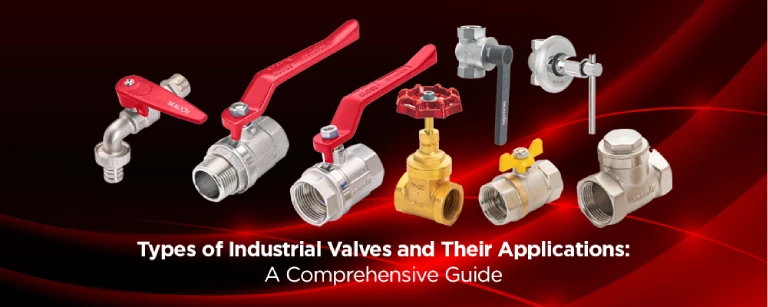
Types of Industrial Valves and Their Applications: A Comprehensive Guide

Atlas Metal Expands with Sealton Valves

Atlas Metal has long been recognised for its contribution to industrial and electrical components, especially its expertise in precision brass fittings. With decades of trust, performance, and global presence, Atlas Metal continues to evolve in response to modern engineering needs.

One of the most exciting developments is the addition of Sealton Valves Private Limited to the Atlas product family. This strategic move strengthens Atlas Metal’s capabilities in industrial valves India, especially in fluid systems requiring durable and safe backflow solutions.

This blog explores the fundamentals of non-return valve uses, with a focus on brass non return valve systems like those produced by Sealton. We’ll dive into the key features, benefits, and industrial relevance of Sealton NRVs and help you understand why they are a top choice for efficient fluid control.

Whether you are an engineer, system installer, or industrial buyer, this comprehensive guide will help you identify the right backflow prevention valve for your project—crafted with trust by a leading brass valve manufacturer in Jamnagar.

What Is a Brass Non-Return Valve (NRV)?

A non-return valve for water, also known as a one-way valve or backflow prevention valve, is a key device in many fluid systems. Its function is simple but crucial: it allows fluid to flow in only one direction and automatically blocks reverse flow.

In most piping systems, the presence of pressure fluctuations or pump shutdowns can cause backflow, which can damage equipment or contaminate clean water supplies. That’s where the brass non-return valve comes in. Made from corrosion-resistant forged brass, these valves ensure reliable performance in both domestic and industrial applications.

A one-way flow valve typically contains a flap, disc, or piston that responds to pressure from the fluid. When fluid flows forward, the internal mechanism opens; when the flow reverses, the mechanism shuts tightly to prevent any return movement.

Non-return valve uses are common in water distribution, heating and cooling circuits, chemical processing, and more. The simplicity of its design ensures minimal maintenance, while the brass body enhances durability across varied pressure and temperature conditions.

Sealton, under the Atlas Metal brand, offers specialized brass NRVs designed to perform efficiently even in high-demand applications, ensuring long-term system protection.

Sealton Brass NRV – Technical Overview

The Sealton Valves Private Limited range, especially the brass non return valve, is engineered for precision and reliability. These NRVs are made from high-grade forged brass, offering a combination of strength, corrosion resistance, and a clean internal surface.

Key Technical Features:

  • Material: Forged brass body with superior mechanical properties
  • Design: One-way disc mechanism for reliable flow control
  • Connection Type: Threaded ends for quick and secure installation
  • Pressure Rating: Suitable for moderate to high-pressure environments
  • Temperature Range: Operational from sub-zero to elevated temperatures

These valves are versatile enough for both domestic and industrial systems. The clean bore ensures that fluids pass through without turbulence, reducing wear on downstream equipment. The forged brass construction also offers excellent resistance to scale and chemical corrosion.

Industries using Sealton brass NRVs include:

  • Water treatment and pumping stations
  • Plumbing and municipal water supply
  • Heating, ventilation, and air conditioning (HVAC)
  • Chemical and fluid processing industries

For industrial buyers seeking high-quality industrial valves India, Sealton NRVs represent an optimal blend of design precision and material longevity, proudly delivered by a reputed brass valve manufacturer in Jamnagar.

Key Benefits of Sealton NRV Valves

A quality non-return valve for water should offer long service life and dependability across a range of applications. Sealton NRVs, part of the Sealton Valves Private Limited line, are known for their well-engineered design and reliable performance.

Benefits Include:

  • Corrosion resistance: The forged brass body resists moisture, scaling, and many chemical exposures.
  • Long service life: Durable construction reduces the need for replacements and repairs.
  • Minimal maintenance: Once installed, the valve performs independently without frequent checks.
  • Pressure resilience: Suitable for backflow prevention valve requirements in medium to high-pressure environments.

Sealton’s commitment to performance is evident in every detail, from internal component finish to external threading consistency. These NRVs are also compatible with multiple piping standards and systems.

When choosing a brass non return valve, customers often compare factors such as cost, reliability, and compatibility. Sealton valves strike a balance, making them a trusted choice for OEMs, project consultants, and MEP professionals.

If you’re looking for a low-maintenance, high-efficiency one-way flow valve, Sealton’s NRV product is designed to deliver dependable protection against fluid reversal.

Applications of Brass NRVs in Industrial Setups

Non-return valve uses are widespread in both residential and industrial environments. The primary function is to protect fluid systems from reverse flow, which can cause pressure surges, contamination, or pump failures.

Sealton brass NRVs are used extensively across the following:

  1. Water Distribution Systems
    • Prevent backflow contamination in municipal and building water networks.
  2. Pumping Systems
    • Protect pumps from water hammer and flow reversal after shutdown.
  3. Chemical Processing
    • Ensure unidirectional flow in systems carrying fluids with corrosive or reactive properties.
  4. Heating and Cooling Circuits
    • Maintain proper flow direction in HVAC pipelines, preventing airlocks and energy loss.

These applications highlight why a dependable backflow prevention valve is vital to system longevity and operational safety. With increased demand in infrastructure, real estate, and industry, buyers need valves that combine durability, cost-efficiency, and easy installation.

By offering these benefits, Sealton Valves Private Limited has emerged as a reliable brand for various sectors seeking trusted industrial valves India.

Why Buy Sealton NRVs from Atlas Metal?

Atlas Metal’s reputation is built on delivering reliable brass components to the global market. The introduction of Sealton Valves Private Limited underlines its commitment to expanding solutions in the fluid control segment.

Here’s why customers prefer buying brass non return valves from Atlas:

  • Proven Legacy: Decades of trusted manufacturing in brass fittings
  • Prompt Delivery: Efficient supply chain from its brass valve manufacturer in Jamnagar
  • One-Stop Solution: Valves, fittings, and components available under one roof
  • Customer Support: Technical guidance and after-sales service across markets

Atlas Metal is positioned to cater to both bulk industrial orders and custom application requests. Whether you’re dealing with a water distribution system or a specialty chemical line, the team at Atlas ensures that your non-return valve for water or other components meet the required quality and compliance standards.

When your application calls for a durable and tested one-way flow valve, you can count on Sealton NRVs, delivered by a name you trust—Atlas Metal.

Conclusion: A Smarter Investment for Long-Term System Reliability

The right backflow prevention valve is not just a component—it’s an assurance of safety and system efficiency. Sealton brass NRVs, now part of Atlas Metal’s product line, bring together quality materials, dependable design, and broad compatibility.

Choosing a trusted brass valve manufacturer in Jamnagar like Atlas Metal means you get access to top-tier industrial valves India, delivered with consistency and backed by decades of expertise.

For project managers, engineers, and procurement specialists, investing in Sealton NRVs means reduced downtime, fewer replacements, and smoother operations.

Explore the range, connect with the Atlas team, and find the best non-return valve for water and industrial setups—crafted with care and performance in mind

FAQs

A brass non-return valve (NRV) allows fluid to flow in only one direction, automatically preventing reverse flow. This protects pumps, pipelines, and systems from backflow damage or contamination.

Sealton NRVs are used across multiple sectors, including water treatment, plumbing, HVAC, chemical processing, and pumping systems. They are suitable for both residential and industrial applications.

Brass offers a strong combination of corrosion resistance, mechanical strength, and thermal stability. It ensures long service life even in high-pressure and variable-temperature environments, making it ideal for fluid control systems.

When the fluid flows in the intended direction, the valve opens automatically. If the flow reverses, the internal disc or flap mechanism closes tightly, preventing any backflow or pressure reversal.

Yes. Sealton brass non-return valves are engineered to perform reliably under moderate to high-pressure conditions, ensuring safety and performance in industrial setups.

No. One of the main advantages of Sealton NRVs is minimal maintenance. Once installed correctly, they function independently without frequent monitoring or servicing.

Categories Brass Components

IP68 Brass Cable Glands: Waterproofing for Offshore and Submerged Installations

Why IP68 Matters in Marine Environments

In marine, offshore, and industrial sectors, cables face some of the toughest conditions imaginable — constant exposure to moisture, saltwater, vibration, and extreme temperatures. When electrical systems operate in these environments, the risk of water ingress can cause corrosion, short circuits, and total system failure. This is where IP68 brass cable glands become essential.

The IP68 rating signifies the highest level of dust and water resistance in cable management systems. It ensures that industrial cable glands remain completely sealed even when submerged for extended periods. For industries like offshore drilling, shipbuilding, or marine engineering, this protection is critical for safety, efficiency, and compliance with international standards.

Among various materials, brass cable glands have earned a strong reputation for durability, resistance to corrosion, and compatibility with multiple cable types. When nickel-plated, they provide an added layer of protection against saltwater, oxidation, and chemical exposure. This makes them the ideal marine cable gland solution for long-term underwater performance.

As one of the leading brass cable gland manufacturers, Atlas Metal Industries offers high-quality IP68 waterproof cable glands that meet the stringent needs of offshore and submerged installations worldwide.

What Does IP68 Testing Involve?

The term “IP68” comes from the Ingress Protection (IP) rating system, defined by international standards (IEC 60529). The two digits indicate specific levels of protection:

  • The first digit “6” refers to complete protection against dust.
  • The second digit “8” refers to protection against continuous immersion in water.

To achieve an IP68 cable gland certification, products undergo rigorous testing under controlled conditions. Typically, glands are submerged in water at specified depths for several hours. After testing, they are examined for moisture entry, corrosion, and sealing integrity.

This stringent evaluation ensures that every IP68 waterproof cable gland can reliably perform in harsh marine conditions. For industries that rely on underwater cables — whether for offshore oil rigs, submersible pumps, or undersea communication systems — such a rating offers the assurance of longevity and safety.

Testing also includes resistance to pressure, vibration, and temperature fluctuations. High-quality brass glands are built not only to resist water but also to withstand the constant mechanical stress found in offshore installations. The result is a product that maintains optimal sealing performance even under dynamic load and movement.

Brass Construction + Nickel Plating: A Winning Combo

When choosing a marine cable gland, material selection is a key factor in determining performance and life span. Brass, an alloy of copper and zinc, offers a combination of strength, conductivity, and corrosion resistance that makes it ideal for both land-based and marine environments.

For offshore installations, where humidity and saltwater exposure are constant, nickel plating further enhances the gland’s durability. Nickel creates a protective barrier on the brass surface, preventing oxidation and surface degradation. This combination not only increases corrosion resistance but also ensures the gland retains its structural integrity for years, even in saline or submerged conditions.

Other advantages of brass IP68 cable glands include:

  • Excellent electrical conductivity for grounding and shielding.
  • Resistance to temperature variations, vibration, and impact.
  • Compatibility with a wide range of cable sizes and insulation materials.
  • Enhanced appearance and protection due to nickel finish.

Compared to plastic or aluminum glands, brass provides a far superior mechanical and sealing performance, making it the preferred material in industrial cable glands used in offshore, mining, and heavy engineering environments.

How Sealing Mechanisms Keep Water Out

A waterproof cable gland achieves IP68 protection through precise engineering of its sealing components. The gland’s design integrates multiple barriers that prevent liquid ingress, even when submerged or pressurized.

Key sealing components include:

  • Compression Seals (Inner Seals): These tightly grip the cable sheath to block any entry point for moisture.
  • Outer Seals and Gaskets: These prevent water from entering between the gland body and enclosure.
  • O-Rings and Washers: Made from elastomers like silicone, neoprene, or EPDM, they provide long-term flexibility and water resistance.

When assembled correctly, these seals create an airtight and watertight enclosure that withstands both immersion and mechanical strain.

At Atlas Metal Industries, each IP68 brass cable gland is designed for easy installation and consistent sealing performance. High-precision threading and corrosion-resistant surfaces ensure that glands maintain perfect alignment and pressure across all contact points.

By preventing moisture, dust, and gas infiltration, the gland extends the life of both cables and connected equipment — an essential feature for marine, oil & gas, and underwater operations.

Key Offshore Applications

IP68 waterproof cable glands are used in numerous marine and offshore installations where cables must stay sealed against water and salt exposure. Typical applications include:

  • Shipbuilding: Electrical connections for navigation, lighting, and communication systems.
  • Offshore Oil and Gas Rigs: Power and data transmission for drilling and monitoring equipment.
  • Underwater Pumps and Motors: Cable terminations that must remain sealed during continuous submersion.
  • Marine Renewable Energy Systems: Wind and tidal power installations where cables face constant moisture exposure.
  • Port and Dock Equipment: Lighting, cranes, and control systems operating in saline air and splash zones.

In all these scenarios, IP68 cable glands serve as critical components that protect electrical integrity, prevent corrosion, and ensure operational reliability. Selecting the right cable gland size for each application is equally important to achieve proper sealing and mechanical stability.

Installation & Maintenance Best Practices

Correct installation is essential to maintain an IP68 seal. Even the best industrial cable glands can fail if incorrectly installed. Here are some best practices:

  1. Match Cable Gland Size to Cable Diameter: Always ensure compatibility between the gland size and cable outer sheath for a secure fit.
  2. Use Proper Torque: Over-tightening can damage seals, while under-tightening can cause leaks. Follow manufacturer-recommended torque settings.
  3. Inspect Seals and O-Rings: Check for cracks, wear, or contamination before installation. Replace worn-out parts immediately.
  4. Avoid Cross-Threading: Misalignment can weaken the seal and reduce waterproofing.
  5. Regular Maintenance: Periodic inspection ensures the gland remains watertight. Look for signs of corrosion, wear, or vibration damage.

Atlas Metal Industries provides detailed technical documentation and size charts to guide customers in selecting and installing IP68 brass cable glands safely and efficiently.

Selecting the Right IP68 Brass Gland from Atlas Metal

As one of India’s most trusted cable gland manufacturers, Atlas Metal Industries offers a complete range of IP68 brass cable glands engineered to meet international quality standards.

When choosing the right model, consider:

  • Cable gland size: Match to cable diameter and thread type.
  • Application environment: Offshore, industrial, submerged, or indoor.
  • Sealing material: Choose EPDM or neoprene for marine use.
  • Thread type: Metric, PG, or NPT threads depending on your setup.

Atlas Metal’s catalog provides clear technical specifications for industrial cable glands, ensuring you find the perfect fit for your project. Each gland is precision-machined, nickel-plated, and tested for sealing efficiency, mechanical strength, and corrosion resistance.

With Atlas Metal, you don’t just get a waterproof cable gland — you get a product built on decades of manufacturing expertise and tested reliability.

Trust Atlas Metal for Reliable Marine-Grade Cable Glands

In marine and offshore environments, protection from water ingress isn’t optional — it’s vital. IP68 brass cable glands provide that assurance with proven performance, strength, and longevity.

With their brass-nickel construction, advanced sealing mechanisms, and adherence to international IP68 standards, these glands safeguard critical cable connections under the most demanding conditions.

Atlas Metal Industries continues to lead as a trusted cable gland manufacturer, delivering precision-engineered solutions for marine, industrial, and offshore use. When you choose Atlas Metal, you’re choosing quality that stands the test of time — above and below water.

FAQs

IP68 indicates total protection against dust and continuous immersion in water, making it ideal for marine cable gland and offshore applications.

They provide corrosion resistance, mechanical strength, and long service life, especially in industrial cable glands used in wet or saline conditions.

High-grade elastomers such as EPDM, silicone, and neoprene are used to ensure airtight, waterproof cable gland performance.

Generally, yes—if seals remain intact and threads are undamaged. However, replacement is recommended for critical offshore installations.

Brass offers a balance of durability and cost-efficiency. It’s more affordable than stainless steel but far more robust than plastic glands.

Sizes range from M16 to M63 depending on cable diameter. Always refer to cable gland size charts for precise selection.

Absolutely. Their waterproof cable gland design makes them suitable for outdoor electrical panels, factories, and construction sites.

Atlas Metal Industries is among the leading cable gland manufacturers offering certified industrial cable glands for marine and offshore sectors.

1 2 3 6