ENQUIRE NOW ENQUIRE NOW ENQUIRE NOW

Author Archives: Atlas Metal Industries

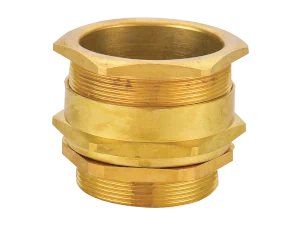
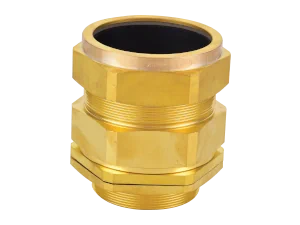
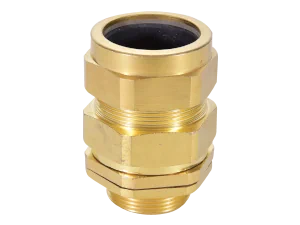
Brass precision turned components
Categories Precision Fittings Solutions-ATFIT

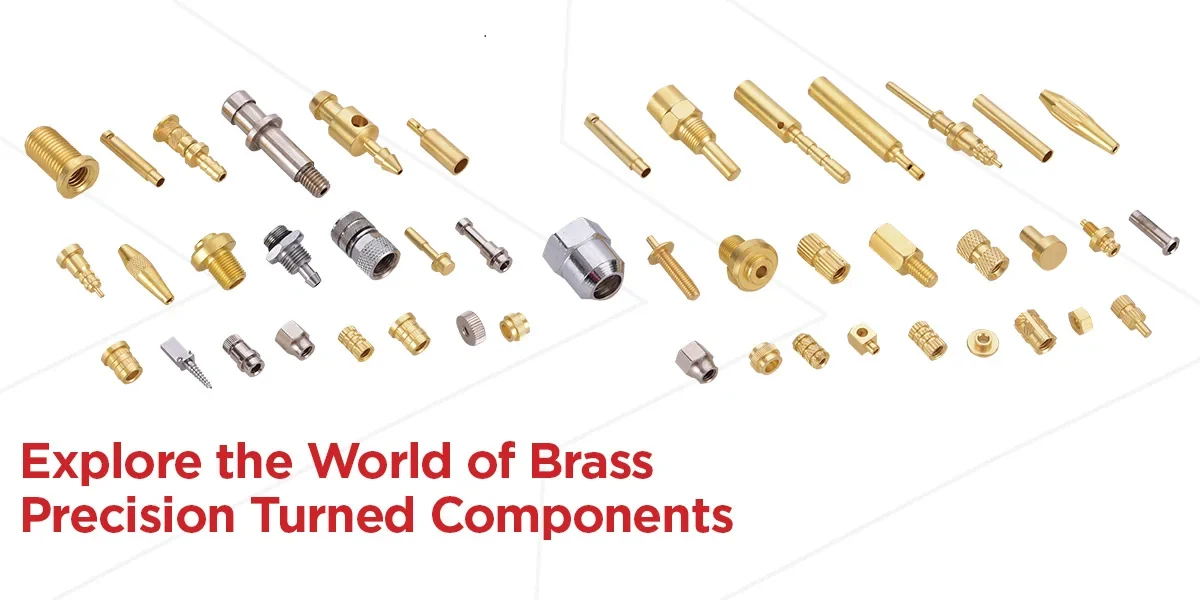
Explore the World of Brass Precision Turned Components

Comprehensive Guide to Brass Precision Turned Components

Brass precision turned components are foundational in various industrial applications due to their durability and precision. This guide delves deep into the world of Brass components, exploring their types, manufacturing processes, and applications. Ideal for industries looking for high-quality brass solutions, this blog provides essential insights into brass turned parts and their significance in today’s technological landscape.

What are Brass Precision Turned Components?

Brass precision turned components are intricately crafted parts created by shaping brass, a highly versatile and durable alloy, into precise configurations. This process is known as turning, a method predominantly performed on a lathe – a machine that rotates the brass rod against cutting tools that trim, shape, and size the material into final products with exceptional accuracy.

The turning process is highly favoured in manufacturing for its ability to produce fine details and maintain consistency across large batches of components. These characteristics are crucial in applications where precision is paramount, such as in the manufacturing of electronic, automotive, and aerospace parts.

Brass, as the material of choice for these components, offers several advantageous properties:

  • Corrosion Resistance

Brass is inherently resistant to corrosion, making it ideal for parts exposed to moist or corrosive environments. This property extends the life of the components and reduces maintenance needs.

  • Electrical Conductivity

Brass’s excellent conductivity makes it suitable for electrical and electronic applications, where it is often used to manufacture connectors, terminals, and contact pins.

  • Machinability

Brass is easier to machine compared to many other metals, allowing for quicker production times and lower manufacturing costs without compromising the quality of the parts.

These components are not just limited to industrial applications; they are also utilised in plumbing, heating, and cooling systems, where precision and durability are necessary to ensure system integrity and functionality.

Types of Brass Precision Turned Components

There are various types of brass turned parts, each serving specific functions. Common types include brass fittings, nozzles, and connectors, which are used in plumbing, automotive, and electrical industries. Each type is designed to meet strict standards, ensuring reliability and functionality in its application.

Brass Precision Turned Components Process

The process of manufacturing brass turned components involves several steps, starting from the selection of high-quality brass to the use of advanced CNC machines for turning the brass. This section covers the detailed process from raw material selection to the final inspection of the components.

What Tools are Used for Brass Precision Turned Components?

Tools used in the manufacturing of brass turned components include CNC lathes and turning centres. These tools are pivotal for achieving the high precision required in the components. This section explores the advanced technologies and tools employed by top brass turned components manufacturers.

Uses for Brass Precision Turned Components Machined Parts

Brass turned parts find extensive use in various sectors including automotive, aerospace, and healthcare due to their precision and reliability. This part of the blog discusses the specific applications of these components in different industries, highlighting their critical role.

Our Brass Precision Turned Components Manufacturing Capabilities

As a leading brass components manufacturer in Jamnagar and over 25 years of expertise, Atlas Metal specialises in producing high-quality brass turned components. Our state-of-the-art manufacturing facilities and experienced team ensure top-tier production capabilities. 

We provide all round fitting solutions under the banner ATFIT, among which our brass precision turned components are one. This section outlines our processes, certifications, and why we are a preferred brass manufacturer in India.

  • Advanced Manufacturing Infrastructure

Located in Gujarat, our manufacturing plant is outfitted with cutting-edge machinery including CNC, plating, and laser marking machines, ensuring precision throughout our production process from induction to dispatch.

  • Comprehensive Product Range

We offer a broad spectrum of brass precision turned components for sectors like electrical, automotive, and telecommunication. Manufactured under our brands ATCAB and ATFIT, our products exceed international standards, guaranteeing reliability and functionality.

  • Certifications and Quality Assurance

Atlas Metal is internationally certified, underscoring our commitment to quality. Our quality assurance team meticulously monitors production to ensure our components meet stringent standards, making us a preferred manufacturer globally.

  • Customisation and Client-centric Approach

We specialise in custom solutions tailored to individual client needs, enhancing our service with flexibility and innovation. This client-centred approach has fortified our reputation as a leading brass manufacturer in India.

  • Environmental Commitment

Our manufacturing practices are designed to minimise environmental impact, adhering to strict policies to ensure our operations are both efficient and eco-friendly.

Conclusion

Brass precision turned components play a vital role in modern manufacturing and industrial applications. Atlas Metal, a leader among brass manufacturers in India, provides top-quality brass turned parts, ensuring reliability and precision for our clients. Our commitment to excellence makes us a preferred brass components manufacturer in Jamnagar, catering to global demands with unparalleled expertise
Waterproof Cable Glands with Different IP Ratings
Categories Cable Gland

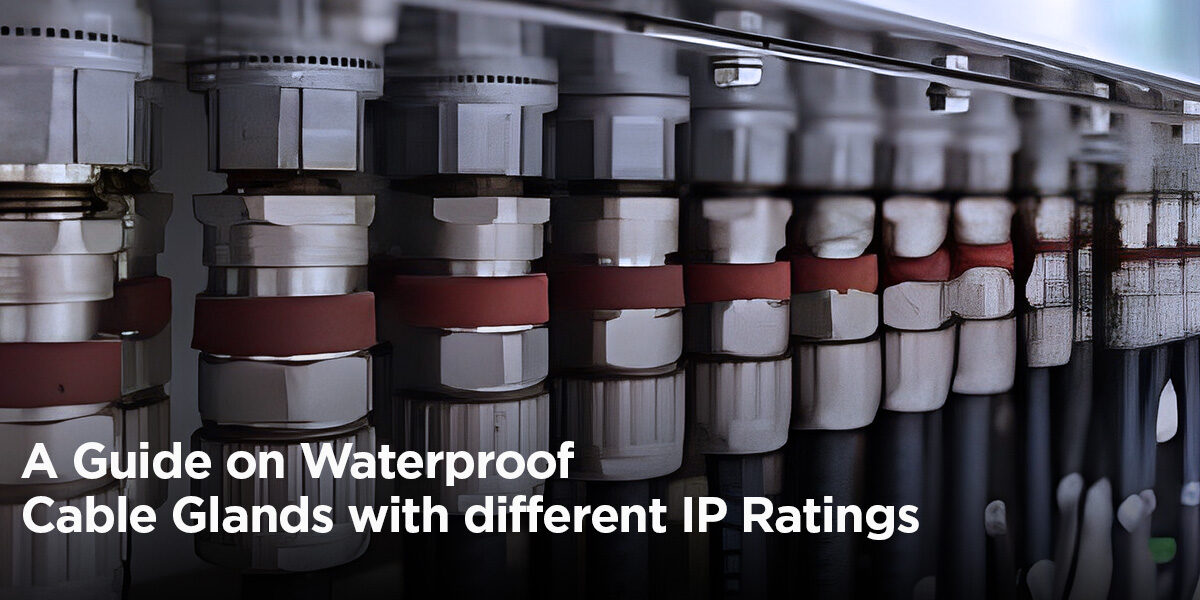
A Guide on Waterproof Cable Glands with different IP Ratings

When it comes to protecting electrical systems from water, dust, and other environmental factors, waterproof cable glands play a pivotal role. As integral components in ensuring the safety and efficiency of electrical installations, choosing the right cable gland with the appropriate Ingress Protection (IP) rating is crucial. This guide provides a comprehensive overview of IP ratings and how to select the right waterproof cable gland for your application, ensuring optimal performance and longevity.

What are IP Ratings

IP ratings, or Ingress Protection ratings, are defined by international standard EN 60529 and are used to specify the level of protection an enclosure offers against access to hazardous parts, ingress of solid objects, and water. The rating consists of two digits: the first digit represents protection against solids, and the second digit indicates protection against liquids.

IP CodeProtection Against SolidsProtection Against Liquids
IP65Dust tightWater jets
IP66Dust tightPowerful water jets
IP67Dust tightImmersion up to 1m
IP68Dust tightLong-term immersion

Common IP Ratings for Cable Glands and their Uses

The most common IP rated cable glands used in wet or dusty environments are IP65, IP66, IP67, and IP68. IP65-rated glands are ideal for general outdoor protection against dust and low-pressure water jets. IP66 glands offer protection against powerful water jets and heavy seas, making them suitable for more demanding conditions. IP67 glands provide protection in temporary submersion environments, such as during flooding. IP68 glands are for continuous underwater usage, suitable for installations where the cable gland will be permanently submerged.

Types of Waterproof Cable Glands

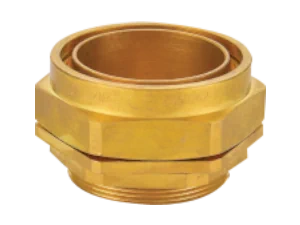
Brass Cable Glands: Known for their durability and resistance to corrosion, brass cable glands are often used in industrial applications.

Plastic Cable Glands: Lightweight and resistant to chemicals, these are suitable for environments where weight is a concern.

Stainless Steel Cable Glands: Ideal for harsh environments, stainless steel glands provide excellent corrosion resistance and strength.

PG Cable Glands: These are designed for specific types of cables and offer excellent sealing capabilities, making them a popular choice in industrial settings.

Choose the Best IP Rating for Optimal Protection

Selecting the right IP rating for your cable gland depends largely on the environment in which it will be used. For outdoor applications like exposure to rain or garden irrigation, IP65 is sufficient. For more exposed areas where water jets or sea spray is a concern, IP66 is recommended. In areas prone to flooding or where temporary immersion may occur, IP67 is ideal. For underwater applications, such as in marine or submerged pipelines, IP68 is necessary. Consider the most extreme conditions the installation might face to ensure adequate protection.

Other Key Factors While Selecting Cable Glands

Beyond the IP rating, other factors to consider include the cable size and type, material selection, and thread type. Cable gland manufacturers in India offer a variety of options to ensure a tight seal and adequate strain relief based on cable size. For reference, you can consult a cable gland size chart to ensure the proper fit. Material choice, such as brass, stainless steel, or polymer, depends on environmental factors like corrosion potential and temperature extremes. The thread type, whether metric, NPT, or another standard, must match the enclosure and fittings for a secure installation.

Installation Tips for Waterproof Cable Glands

When installing waterproof cable glands, several practical tips can enhance their effectiveness and ensure long-term reliability. Firstly, always ensure that the surface on which the gland will be mounted is clean and smooth. Any debris or imperfections can compromise the seal, reducing the IP rating’s effectiveness. Secondly, it’s crucial to use suitable sealing and locking mechanisms. These not only prevent water ingress but also protect against accidental loosening due to vibration or environmental changes.

Why Choose Atlas Metal for Quality Waterproof Cable Glands

Atlas Metal specialises in providing high-quality waterproof cable glands tailored to meet diverse industry needs. As one of the leading cable gland manufacturers in Jamnagar, Atlas offers a wide range of products, including IP68 cable glands for those requiring high-level protection. Additionally, they are recognised as a trusted PG cable glands manufacturer in Jamnagar, India. With a focus on reliability and durability, products by Atlas ensure optimal protection for your electrical installations. Whether you are setting up an outdoor infrastructure or a marine project, Atlas Metal offers the expertise and products to safeguard your electrical connections.

Conclusion

Choosing the right waterproof cable gland is essential for protecting your electrical installations against environmental challenges. By understanding IP ratings and considering additional factors such as cable type, material, and thread, you can select a product that meets your specific needs. With Atlas Metal, a trusted IP68 cable glands manufacturer in Jamnagar, India, you have a reliable partner who can provide the expertise and quality products necessary to achieve peace of mind and system integrity in any setting.

Reach out to our team or submit your inquiry for personalised assistance and detailed information about our products.

FAQs

Refer to the cable gland size chart to select a size that ensures a tight fit for your cable.

Yes, common types include brass, plastic, stainless steel, and PG cable glands, each suited for different applications.

The IP rating indicates the level of protection a cable gland provides against environmental factors, crucial for ensuring electrical safety.

Popular Products Recommended

  • BW4PT Cable Glands
    BW4PT Cable Glands
Marine Cable Glands
Categories Cable Gland

Essential Insights into Cable Glands for the Marine Industry

In the vast and challenging environment of the marine industry, every component plays a pivotal role in ensuring operational safety and efficiency. Cable glands are no exception. They offer more than just functionality to marine electrical systems. Atlas Metal, at the forefront of technological advancements, crafts these indispensable components with precision, ensuring they meet the rigorous demands of marine operations.

This guide explores the various ways in which cable glands contribute to the robustness of marine electrical systems, providing insights into their diverse applications and the best practices for their installation and maintenance. By delving deeper into the specifics of cable glands, this guide aims to equip professionals with the knowledge needed to optimise the performance and safety of their marine operations.

What are Cable Glands?

Cable glands play a critical role in electrical engineering, especially in environments as demanding as the marine sector. Designed to attach and secure the end of an electric cable to the device it powers, these components ensure that the electrical installations are sealed against environmental challenges such as water, dust, and other contaminants. The effectiveness of a cable gland lies in its ability to provide not just physical support but also electrical continuity and insulation. It is vital to maintain the integrity of the cable’s connection to electrical equipment, preventing the entry of particles that could disrupt the system’s operation.

In marine applications, where equipment is constantly exposed to humidity, salt, and temperature fluctuations, the quality of cable glands directly impacts the longevity and reliability of electrical systems. Atlas Metal’s cable glands are manufactured with quality materials that withstand these harsh conditions, ensuring that every cable and connection remains secure and functional, even in the most adverse conditions.

Role of Cable Glands in the Marine Industry

In the marine industry, the role of cable glands extends beyond simple functionality. They are pivotal in upholding the safety standards required on vessels and offshore installations. Cable glands contribute significantly to hazard prevention, particularly in preventing fires and electrical shocks that can result from moisture ingress or cable movement. These risks are heightened in marine environments where volatile substances are common and the risk of water ingress is high. By providing a secure and watertight seal, cable glands minimise the risk of short circuits and other electrical failures that could lead to catastrophic outcomes.

Atlas Metal’s cable glands are specifically designed to meet international safety standards. Their robust design ensures the overall safety and operational efficiency of marine projects.

Functions of Cable Glands in the Marine Industry

The multifunctional nature of cable glands in the marine industry cannot be overstated. Beyond sealing and securing, these components also play a crucial role in ensuring the electromagnetic compatibility of the system. This is particularly important in environments where interference from various electronic devices could affect navigation and communication systems. Cable glands help to mitigate electromagnetic interference by maintaining the grounding and shielding of cables.

Additionally, they are crucial for the structural integrity of the electrical systems. They absorb vibrations and shocks, which are commonplace on vessels and offshore platforms, thereby preventing wear and tear on the cables and associated equipment.

At Atlas Metal, cable glands are designed keeping these multifaceted roles in mind, incorporating advanced materials and innovative designs that enhance the overall resilience and functionality of the electrical systems they support in the marine environment.

Also read – Waterproof Cable Glands With Different IP Ratings

Applications of Cable Glands

Cable glands find their applications in nearly every segment of the marine industry from the bridge of a ship to its engine room. They are integral to lighting systems, control panels, and power generation units. Their versatility also extends to their use in offshore platforms, where they secure the electrical units that power drilling operations, and in dockyard equipment, ensuring that all operations run smoothly and safely.

Conclusion

The critical role that cable glands play in the marine industry underscores the necessity for high-quality, reliable solutions that can withstand the harsh marine environment. Atlas Metal’s extensive range of cable glands is designed with the specific needs of marine operations in mind, ensuring that every product delivers safety, durability, and performance.

Connect with our team or submit your enquiry for more detailed information on our products.

AtlasMetal_global-quality
Categories Metal Solutions

Atlas Metal: Engineering Excellence from Gujarat to the Globe

Atlas Metal is a 25-year-old leader in the global metal industry with expertise in manufacturing electrical and lightning safety solutions. The products, under the banners ATCAB and ATFIT, are trusted and widely accepted in more than 30 countries owing to their quality standards, versatility, and durability.

Based in Jamnagar, Gujarat, India, our journey is a showcase of how local expertise is integrated with global quality. In this blog, you will learn why Atlas Metal is the best choice for electrical and safety solutions.

Harnessing the Power of Local Expertise

Choosing Atlas Metal means accessing a deep well of local talent and expertise. Located in Jamnagar, a renowned hub for metalworking, we draw upon the region’s rich heritage of craftsmanship. Our operations significantly contribute to project management and social causes by fostering employment in rural areas, thereby empowering communities while delivering exceptional products.

At our core, we embody a commitment to manufacturing excellence, ensuring that each product meets global quality standards. Our connection to this rich industrial heritage is integral to our identity, reflected in the unparalleled quality and craftsmanship of our offerings. As a leading cable gland manufacturer in India, we prioritise customer satisfaction and industry expertise in every aspect of our operations.

Delivering Products of International Quality Standards

As one of the leading pipe fittings manufacturers in India, our commitment to global quality is unwavering. Our products, under the banners ATCAB and ATFIT, are manufactured to meet the highest international quality standards, ensuring they perform reliably in various environments worldwide. This global perspective drives us to adopt advanced manufacturing techniques and maintain rigorous quality control processes.

Our quality assurance teams are dedicated to ensuring that every product is capable of setting industry benchmarks for durability and performance. This relentless pursuit of excellence is what makes Atlas Metal a leader in the global metal industry, trusted by customers in over 30 countries.

Crafted Locally and Trusted Internationally

At Atlas Metal, we offer more than just products; we deliver solutions that reflect the perfect combination of local expertise and global quality. Our industry expertise enables us to understand the unique requirements of diverse markets, tailoring our offerings to exceed expectations. With a customer-centric approach, we prioritise project management to ensure seamless execution and timely delivery. This holistic approach culminates in customer satisfaction which forms the cornerstone of our ethos.

Also read – Why Choose Atlas Metal For Your Customised Metal Solutions?

Adapting to Market Needs with Flexibility and Responsiveness

Understanding that market needs are constantly evolving, we at Atlas Metal prioritise flexibility in our manufacturing processes to swiftly respond to changing customer requirements and market trends. This agility allows us to customise products and provide solutions that fit the unique needs of different regions and industries. Our close relationships with clients and keen monitoring of industry trends ensure relevant and timely solutions, enhancing customer satisfaction and maintaining our relevance in a competitive market.

Prioritising Quality Assurance and Customer Satisfaction

Ensuring the highest quality standards and achieving customer satisfaction are foundational to our operations at Atlas Metal. We have implemented comprehensive quality control systems that monitor every stage of the manufacturing process, from raw material selection to final product testing. This meticulous approach to quality management helps us ensure that every customer receives products that align with their expectations.

Moreover, our customer service team is dedicated to providing support and guidance, making sure that every interaction with Atlas Metal is positive and productive. We believe that our commitment to maintaining quality standards and customer care is what sets us apart and fosters long-term relationships with our clients.

Conclusion

Choosing Atlas Metal means partnering with a company that offers more than just high-quality products. We provide solutions that are the result of a perfect blend of local expertise and global quality standards. Our holistic approach to project management ensures that every aspect of your project is handled with utmost precision, from initial consultation to after-sales support. Trust Atlas Metal for your next project and experience the excellence that comes with a commitment to quality and innovation.

Cable cleats
Categories Cable Cleats

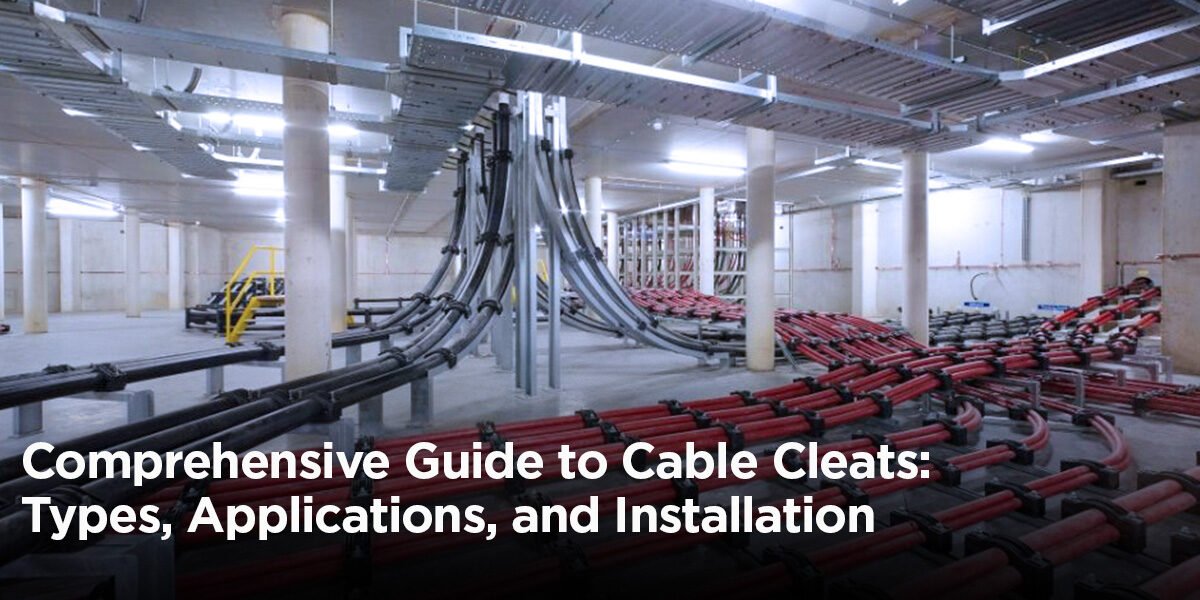
Comprehensive Guide to Cable Cleats: Types, Applications, and Installation

Cable cleats are indispensable components in the field of electrical installations, ensuring the safety and integrity of cable systems across various industries. As a leader in manufacturing high-quality cable cleats, Atlas Metal aims to elaborate on the importance, functionality, and application of these crucial devices. This blog will serve as an essential guide to understanding everything about cable cleats – from their basic definition to detailed installation guidelines.

What are Cable Cleats?

Cable cleats are devices designed to secure electrical cables when installed and routed in various environments. They play a pivotal role in anchoring cables firmly, preventing unnecessary movement that could lead to wear and damage over time. Cable cleats are crafted from a variety of materials, each selected to provide optimal performance in specific conditions, including thermal expansion, electromagnetic forces, and environmental factors. By ensuring that cables are fixed securely, cable cleats help maintain the structural integrity of both the cables and the installation itself.

Functions of Cable Cleats

The primary function of cable cleats is to restrain cables, ensuring they remain aligned and fixed in place, which helps in managing and organising multiple cables and reducing maintenance needs. They protect cables from mechanical stress and prevent tangling, which can lead to electrical faults or fires. In environments where cables are exposed to wind or seismic activity, cable cleats provide an extra layer of security, ensuring the cables can withstand these conditions without any adverse effects.

Cable cleats are devices designed to secure electrical cables when installed and routed in various environments. They play a pivotal role in anchoring cables firmly, preventing unnecessary movement that could lead to wear and damage over time. Cable cleats are crafted from a variety of materials, each selected to provide optimal performance in specific conditions, including thermal expansion, electromagnetic forces, and environmental factors. By ensuring that cables are fixed securely, cable cleats help maintain the structural integrity of both the cables and the installation itself.

Types of Cable Cleats

Cable cleats come in various types, each designed to cater to specific requirements and environments. 

Single Cable Cleats are used for individual cable installations, providing stability and protection against axial and lateral movement. 

Trefoil Cable Cleats are designed for three-phase power cables, where three cables are grouped together; they maintain the triangular formation. 

Aluminium Cable Cleats are lightweight and corrosion-resistant, suitable for indoor and outdoor applications.

Stainless Steel Cable Cleats are known for their durability and strength, ideal for harsh environments and heavy-duty applications.

Nylon Cable Cleats are non-conductive and lightweight, suitable for low-voltage applications and areas where corrosion is a concern.

Hybrid Cable Cleats combine the benefits of different materials, offering a versatile solution for various installation requirements.

Materials for cable cleats range from stainless steel and aluminium to plastic and polymer composites, each offering different benefits in terms of strength, resistance, and environmental adaptability. Atlas Metal, one of the leading cable gland manufacturers in India, also produces quality cable cleats. It has helped Atlas establish itself as a renowned cable cleats manufacturer in Jamnagar India

Factors to Keep in Mind While Buying Cable Cleats

When selecting cable cleats, several factors should be considered to ensure optimal performance and safety.

  • Firstly, assess the environmental conditions, including temperature fluctuations, exposure to chemicals, and risk of corrosion. Choose cleats made from materials that can withstand these conditions effectively.
  • Secondly, consider the type and size of cables being installed, ensuring the cleats are compatible and provide adequate support. Additionally, select cleats with appropriate certifications for compliance with safety standards.
  • Lastly, evaluate the forces that cables may encounter, such as vibration or wind loads, and choose cable cleats designed to withstand these stresses.

Applications of Cable Cleats

Cable cleats are utilised across a wide range of industries, including energy, telecommunications, construction, and marine sectors. They are essential in power distribution networks, both overhead and underground. 

In industrial settings, cable cleats are crucial for ensuring the reliability and efficiency of electrical systems, especially where high currents are involved. Their use in renewable energy installations, such as wind turbines and solar panels, is becoming increasingly important, ensuring that all cabling is secure against variable weather conditions.

How to Install Cable Cleats?

The installation of cable cleats should be undertaken with precision to ensure maximum effectiveness. The process generally involves measuring the diameter of the cables, selecting the appropriate size and type of cleat, and then spacing the cable cleats at optimal intervals according to the cable’s weight and the installation’s environmental factors. 

Conclusion

Understanding and utilising the correct type of cable cleat in electrical installations is critical from a safety perspective. Atlas Metal remains committed to providing robust and reliable cable cleats that meet the highest standards of quality and safety. We hope this guide has provided valuable insights into the selection, application, and installation of cable cleats, helping you ensure the longevity and reliability of your electrical installations.