
|
Getting your Trinity Audio player ready...
|
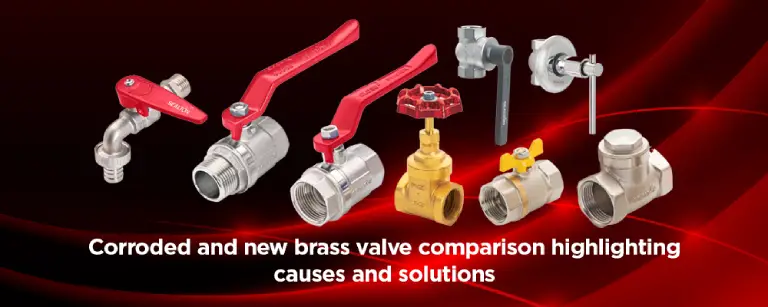
Brass valves are integral components in fluid control systems across industries such as plumbing, irrigation, chemical processing, and HVAC. As a material, brass offers excellent mechanical strength, corrosion resistance, and ease of manufacturing. These properties make brass valves popular for managing flow, pressure, and direction of liquids and gases.
Manufacturers like Sealton Valves Private Limited have refined the design and production of these components to meet industry-specific demands. With the growing preference for Indian suppliers, the reputation of a reliable brass ball valve manufacturer in Jamnagar continues to rise globally.
However, even the most precisely engineered brass valves can fail if not maintained or installed correctly. Understanding the typical causes of brass valve failures can help operators avoid costly downtimes and system inefficiencies.
Brass valves may fail in various ways, most commonly through:
- Leaks at the body or connection joints
- Seal or gasket degradation
- Corrosion due to fluid interaction or environmental exposure
- Mechanical sticking or jamming
- Wear and fatigue under frequent cycling
One major concern is internal or external leakage. Knowing how to fix leaking brass valves starts with identifying whether the problem lies in a loose fitting, a worn seal, or a structural defect.
Corrosive fluids and aggressive environments can accelerate damage to valve surfaces. Although brass resists corrosion well, neglecting proper brass corrosion prevention methods such as protective coatings or compatible media selection can reduce valve lifespan.
Valve seals and packings also degrade over time, especially if the valve is subjected to constant pressure changes, high temperature, or chemical exposure. Routine checks and using high-quality seal materials are essential to prevent valve leaks and maintain safe operations.
Identifying the root cause behind brass valve failures often involves examining three major factors:
Material Compatibility:
Even premium brass can corrode if exposed to incompatible fluids, such as ammonia or high-chloride content water. In such cases, galvanic corrosion or dezincification may occur. Using proper brass corrosion prevention strategies is critical.
Improper Installation:
Over-tightening, misalignment, or use of incompatible thread sealants can lead to leaks or mechanical damage. Following manufacturer instructions and torque settings is a basic but important step in brass valve maintenance tips.
Excessive Pressure or Temperature:
All brass valves have defined limits. Exceeding rated pressure or thermal capacity will lead to premature wear or structural failure. Always confirm system compatibility with valve specifications.
A thorough root-cause analysis helps address not only the symptom (like leakage or failure to open) but also underlying systemic issues. It also supports better planning and sourcing from experienced suppliers like Sealton Valves Private Limited.
Preventing brass valve failures requires a combination of good product selection, installation, and ongoing maintenance. Here are effective brass valve maintenance tips:
- Use Compatible Fluids: Ensure the valve material is compatible with the fluid type to avoid accelerated corrosion.
- Regular Inspection: Look for signs of wear, corrosion, or leaks.
- Seal Check: Replace gaskets or packings periodically based on usage conditions.
- Avoid Over-Torquing: Over-tightening can damage threads and seals.
- Drain Unused Valves: Prevent internal buildup by keeping idle valves clean and dry.
Consistent maintenance practices help to prevent valve leaks, prolong system life, and save operational costs. Proper documentation of valve service history also aids in predictive maintenance.
As a trusted brass ball valve manufacturer in Jamnagar, Sealton Valves Private Limited focuses on engineering durable, long-lasting valve solutions for industrial and commercial use.
Sealton products are designed to overcome common challenges in fluid systems. These valves are made from high-grade brass alloys that resist dezincification and chemical wear. Special attention is given to:
- Robust sealing systems
- Optimized port design for smooth flow
- Anti-corrosive plating or coating options
- Comprehensive testing for pressure, temperature, and endurance
With a commitment to innovation, Sealton valves serve a variety of applications including HVAC systems, water treatment plants, oil and gas pipelines, and chemical manufacturing setups. Their product reliability and performance are what set them apart from conventional offerings.
If you’re searching for preventive solutions to common valve issues, consider sourcing from Sealton Valves Private Limited for superior performance and assured longevity.
Case: Repeated Valve Failures in Chemical Distribution System
Issue: A textile factory in Gujarat faced frequent valve replacements due to leakage and corrosion in their chemical distribution lines.
Root Causes Identified:
- Use of substandard brass
- Incompatible fluid with high acidity
- Incorrect installation torque
Solution: Atlas Metal recommended Sealton Valves Private Limited’s chemical-resistant brass valves. The client replaced all outdated valves with Sealton models engineered for harsh fluid conditions.
Outcome:
- No valve failures over 18 months
- Reduced maintenance by 60%
- Improved production uptime
This example underlines how the right selection and preventive strategies can resolve chronic issues and improve long-term system reliability.
Understanding the causes behind brass valve failures and applying prevention strategies is essential for any industry relying on fluid systems. Whether it’s avoiding corrosion, replacing seals, or installing valves properly, every step contributes to system longevity.
For reliable solutions and expert engineering, Sealton Valves Private Limited offers a complete range of durable valves built to withstand industry demands.
Leaks can result from worn seals, improper installation, over-tightening, or corrosion. Applying proper brass valve maintenance tips helps reduce leakage risk.
Debris accumulation, internal corrosion, or prolonged disuse can cause sticking. Routine cleaning and exercising the valve can prevent this.
Corrosion reduces valve strength and causes leaks. You can ensure brass corrosion prevention by using compatible fluids, periodic inspections, and anti-corrosive coatings.
Seal wear is often due to pressure cycling, chemical exposure, or aging. Use of high-quality packing materials and regular replacements can help.
Routine use, cleaning, and selecting valves from a trusted brass ball valve manufacturer in Jamnagar like Sealton ensure optimal performance.