ENQUIRE NOW ENQUIRE NOW ENQUIRE NOW

Category Archives: Brass Components

Categories Brass Components

Brass Valve Failures: Common Causes & Prevention Techniques

Overview of Brass Valve Applications

Brass valves are integral components in fluid control systems across industries such as plumbing, irrigation, chemical processing, and HVAC. As a material, brass offers excellent mechanical strength, corrosion resistance, and ease of manufacturing. These properties make brass valves popular for managing flow, pressure, and direction of liquids and gases.

Manufacturers like Sealton Valves Private Limited have refined the design and production of these components to meet industry-specific demands. With the growing preference for Indian suppliers, the reputation of a reliable brass ball valve manufacturer in Jamnagar continues to rise globally.

However, even the most precisely engineered brass valves can fail if not maintained or installed correctly. Understanding the typical causes of brass valve failures can help operators avoid costly downtimes and system inefficiencies.

Typical Failure Modes: Leaks, Corrosion, and Seal Wear

Brass valves may fail in various ways, most commonly through:

  1. Leaks at the body or connection joints
  2. Seal or gasket degradation
  3. Corrosion due to fluid interaction or environmental exposure
  4. Mechanical sticking or jamming
  5. Wear and fatigue under frequent cycling

One major concern is internal or external leakage. Knowing how to fix leaking brass valves starts with identifying whether the problem lies in a loose fitting, a worn seal, or a structural defect.

Corrosive fluids and aggressive environments can accelerate damage to valve surfaces. Although brass resists corrosion well, neglecting proper brass corrosion prevention methods such as protective coatings or compatible media selection can reduce valve lifespan.

Valve seals and packings also degrade over time, especially if the valve is subjected to constant pressure changes, high temperature, or chemical exposure. Routine checks and using high-quality seal materials are essential to prevent valve leaks and maintain safe operations.

Root-Cause Analysis: Material, Installation, and Pressure

Identifying the root cause behind brass valve failures often involves examining three major factors:

Material Compatibility:

Even premium brass can corrode if exposed to incompatible fluids, such as ammonia or high-chloride content water. In such cases, galvanic corrosion or dezincification may occur. Using proper brass corrosion prevention strategies is critical.

Improper Installation:

Over-tightening, misalignment, or use of incompatible thread sealants can lead to leaks or mechanical damage. Following manufacturer instructions and torque settings is a basic but important step in brass valve maintenance tips.

Excessive Pressure or Temperature:

All brass valves have defined limits. Exceeding rated pressure or thermal capacity will lead to premature wear or structural failure. Always confirm system compatibility with valve specifications.

A thorough root-cause analysis helps address not only the symptom (like leakage or failure to open) but also underlying systemic issues. It also supports better planning and sourcing from experienced suppliers like Sealton Valves Private Limited.

Best-Practice Prevention & Maintenance

Preventing brass valve failures requires a combination of good product selection, installation, and ongoing maintenance. Here are effective brass valve maintenance tips:

  • Use Compatible Fluids: Ensure the valve material is compatible with the fluid type to avoid accelerated corrosion.
  • Regular Inspection: Look for signs of wear, corrosion, or leaks.
  • Seal Check: Replace gaskets or packings periodically based on usage conditions.
  • Avoid Over-Torquing: Over-tightening can damage threads and seals.
  • Drain Unused Valves: Prevent internal buildup by keeping idle valves clean and dry.

Consistent maintenance practices help to prevent valve leaks, prolong system life, and save operational costs. Proper documentation of valve service history also aids in predictive maintenance.

Sealton’s Engineered Solutions

As a trusted brass ball valve manufacturer in Jamnagar, Sealton Valves Private Limited focuses on engineering durable, long-lasting valve solutions for industrial and commercial use.

Sealton products are designed to overcome common challenges in fluid systems. These valves are made from high-grade brass alloys that resist dezincification and chemical wear. Special attention is given to:

  • Robust sealing systems
  • Optimized port design for smooth flow
  • Anti-corrosive plating or coating options
  • Comprehensive testing for pressure, temperature, and endurance

With a commitment to innovation, Sealton valves serve a variety of applications including HVAC systems, water treatment plants, oil and gas pipelines, and chemical manufacturing setups. Their product reliability and performance are what set them apart from conventional offerings.

If you’re searching for preventive solutions to common valve issues, consider sourcing from Sealton Valves Private Limited for superior performance and assured longevity.

Real-World Case Study

Case: Repeated Valve Failures in Chemical Distribution System

Issue: A textile factory in Gujarat faced frequent valve replacements due to leakage and corrosion in their chemical distribution lines.

Root Causes Identified:

  • Use of substandard brass
  • Incompatible fluid with high acidity
  • Incorrect installation torque

Solution: Atlas Metal recommended Sealton Valves Private Limited’s chemical-resistant brass valves. The client replaced all outdated valves with Sealton models engineered for harsh fluid conditions.

Outcome:

  • No valve failures over 18 months
  • Reduced maintenance by 60%
  • Improved production uptime

This example underlines how the right selection and preventive strategies can resolve chronic issues and improve long-term system reliability.

Conclusion

Understanding the causes behind brass valve failures and applying prevention strategies is essential for any industry relying on fluid systems. Whether it’s avoiding corrosion, replacing seals, or installing valves properly, every step contributes to system longevity.

For reliable solutions and expert engineering, Sealton Valves Private Limited offers a complete range of durable valves built to withstand industry demands.

FAQs

Leaks can result from worn seals, improper installation, over-tightening, or corrosion. Applying proper brass valve maintenance tips helps reduce leakage risk.

Debris accumulation, internal corrosion, or prolonged disuse can cause sticking. Routine cleaning and exercising the valve can prevent this.

Corrosion reduces valve strength and causes leaks. You can ensure brass corrosion prevention by using compatible fluids, periodic inspections, and anti-corrosive coatings.

Seal wear is often due to pressure cycling, chemical exposure, or aging. Use of high-quality packing materials and regular replacements can help.

Routine use, cleaning, and selecting valves from a trusted brass ball valve manufacturer in Jamnagar like Sealton ensure optimal performance.

Categories Brass Components

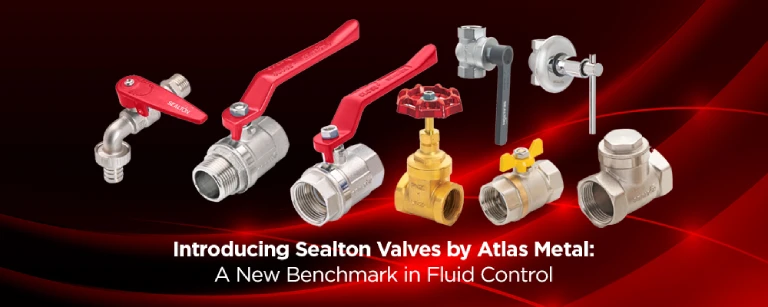
Introducing Sealton Valves: A New Benchmark in Fluid Control at Atlas Metal

Precision Fluid Control by Atlas Metal

Fluid control is at the heart of every efficient industrial system, whether it’s a water supply network, HVAC installation, or chemical processing unit. With the increasing demand for reliability, safety, and durability in fluid management systems, the need for trusted valve solutions is greater than ever.

Atlas Metal, a leading name in the brass fittings industry, proudly introduces Sealton Valves—a refined answer to modern fluid control solutions. Known for its legacy of engineering excellence and product innovation, Atlas Metal now expands its product line with this precision-engineered range of valves.

In this blog, we explore the significance of Sealton Valves introduction, what makes them unique, and how the new Atlas Metal valve range redefines performance in plumbing, heating, oil & gas, and industrial applications.

Why Sealton Valves? Built on Trust, Designed for Performance

The Sealton Valves introduction is not just a product launch—it’s a result of Atlas Metal’s commitment to solving fluid control challenges across industries. These valves are designed to offer durability, ease of installation, and superior resistance to corrosion and wear.

Backed by Atlas Metal’s high-precision brass casting and machining expertise, Sealton brass valves are forged using high-quality brass to ensure optimal flow control and mechanical stability. Their design ensures minimal pressure drop and smooth flow transition, critical for systems where performance cannot be compromised.

As a reputed Jamnagar valve manufacturer, Atlas Metal understands the needs of global markets. That’s why the Sealton range conforms to international specifications, offering users a safe and standardized solution for varied operating conditions.

These valves also stand out due to:

  • Enhanced leak-tight performance
  • Low maintenance needs
  • Broad compatibility with other brass and metal fittings
  • Long-term reliability under both high and low pressure conditions

By choosing Sealton brass valves, you ensure consistent fluid control and a longer operational life for your system.

Product Spotlight: Brass Non-Return Valve (NRV)

Among the stars in the Atlas Metal valve range, the Brass Non-Return Valve (NRV) under the Sealton Valves line is an industry favorite. Designed to allow flow in one direction while preventing backflow, this valve plays a critical role in protecting pumps, pipelines, and equipment.

Key Features of Sealton NRV:

  • Forged brass construction for durability: Built to withstand daily pressure fluctuations and resist deformation.
  • Threaded ends for easy installation: Enables fast and secure connection with minimal tooling.
  • Excellent corrosion resistance: Performs well even in environments with high moisture or exposure to aggressive fluids.
  • Smooth internal passage: Reduces turbulence and enhances flow efficiency.

The brass check valve Sealton is especially useful in systems where backflow could cause operational inefficiency or equipment damage. It is a key component in maintaining safe and efficient fluid transport.

This NRV is a strong example of industrial valve innovation—balancing form, function, and cost-effectiveness to serve real-world needs. Whether you are an engineer, contractor, or system designer, the Sealton brass valves offer performance you can depend on.

Applications Across Industries

The Sealton series is crafted with real-world applications in mind. Whether your requirement is residential plumbing or industrial-scale fluid systems, Sealton Valves are engineered to deliver reliability and efficiency.

Where Sealton Valves Work Best:

  1. Water treatment and supply systems: Ensure smooth and uninterrupted water flow with high-quality valve operation.
  2. HVAC and heating pipelines: Control the distribution of heating or cooling fluids with minimal risk of leakage or pressure drops.
  3. Oil and gas installations: Durable under extreme conditions, ideal for high-pressure and flammable environments.
  4. Chemical processing units: Resistant to corrosion and compatible with various chemical substances.
  5. Pumping systems: Prevent backflow and safeguard pump units from operational stress.

As a trusted Jamnagar valve manufacturer, Atlas Metal brings years of domain knowledge into every Sealton valve produced. Every product from this line represents the essence of fluid control solutions with precision, safety, and long-term value.

Whether you’re retrofitting old systems or designing a new installation, the adaptability of Sealton brass valves ensures that they integrate effortlessly with a wide range of equipment and piping systems.

Applications of Brass NRVs in Industrial Setups

Non-return valve uses are widespread in both residential and industrial environments. The primary function is to protect fluid systems from reverse flow, which can cause pressure surges, contamination, or pump failures.

Sealton brass NRVs are used extensively across the following:

  1. Water Distribution Systems
    • Prevent backflow contamination in municipal and building water networks.
  2. Pumping Systems
    • Protect pumps from water hammer and flow reversal after shutdown.
  3. Chemical Processing
    • Ensure unidirectional flow in systems carrying fluids with corrosive or reactive properties.
  4. Heating and Cooling Circuits
    • Maintain proper flow direction in HVAC pipelines, preventing airlocks and energy loss.

These applications highlight why a dependable backflow prevention valve is vital to system longevity and operational safety. With increased demand in infrastructure, real estate, and industry, buyers need valves that combine durability, cost-efficiency, and easy installation.

By offering these benefits, Sealton Valves Private Limited has emerged as a reliable brand for various sectors seeking trusted industrial valves India.

Sealton Valves by Atlas Metal—Your Partner in Fluid Control

The Sealton Valves introduction is a significant step in Atlas Metal’s journey of delivering advanced fluid control solutions to the global market. Each Sealton valve, including the popular brass check valve Sealton, showcases the brand’s dedication to high standards, safety, and performance.

By choosing from the Atlas Metal valve range, you benefit from precision engineering, superior brass quality, and a product legacy rooted in trust. Whether your needs lie in water systems, HVAC, oil & gas, or chemical applications, Sealton brass valves provide the reliability and strength you demand.

Experience the future of industrial valve innovation with Sealton—where fluid control meets craftsmanship.

FAQs

Sealton Valves stand out due to their high-precision brass construction, leak-tight performance, and compatibility with a wide range of plumbing and industrial systems. As part of the Atlas Metal valve range, they are engineered with superior corrosion resistance and long-term reliability, making them a preferred choice in industries that demand trusted fluid control solutions.

Yes. Sealton brass valves are designed for demanding environments, making them ideal for HVAC systems, water supply networks, chemical processing, and oil & gas setups. Their durability and stability represent true industrial valve innovation, ensuring safe and dependable flow management across applications.

The Brass Non-Return Valve Sealton is used to allow fluid flow in only one direction while preventing backflow. This protects pumps and pipelines from damage, reduces pressure fluctuations, and ensures smooth system operation. Its forged brass body and threaded ends make it highly reliable and easy to install.

Absolutely. Atlas Metal manufactures Sealton Valves in Jamnagar using globally accepted specifications and quality benchmarks. Each valve undergoes strict testing to ensure it meets international norms for safety, flow efficiency, and corrosion resistance.

Yes. Sealton brass valves are designed for broad compatibility with most brass and metal fittings, making them easy to integrate into both new and existing plumbing, HVAC, and pumping systems. Their standardized threading and robust construction ensure a seamless replacement or upgrade.

Categories Brass Components

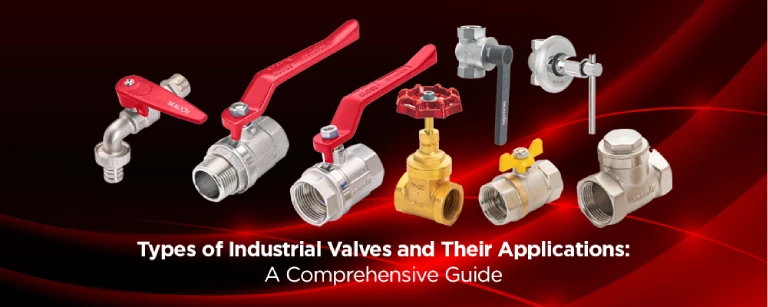
Types of Industrial Valves and Their Applications: A Comprehensive Guide

Atlas Metal Expands with Sealton Valves

Atlas Metal has long been recognised for its contribution to industrial and electrical components, especially its expertise in precision brass fittings. With decades of trust, performance, and global presence, Atlas Metal continues to evolve in response to modern engineering needs.

One of the most exciting developments is the addition of Sealton Valves Private Limited to the Atlas product family. This strategic move strengthens Atlas Metal’s capabilities in industrial valves India, especially in fluid systems requiring durable and safe backflow solutions.

This blog explores the fundamentals of non-return valve uses, with a focus on brass non return valve systems like those produced by Sealton. We’ll dive into the key features, benefits, and industrial relevance of Sealton NRVs and help you understand why they are a top choice for efficient fluid control.

Whether you are an engineer, system installer, or industrial buyer, this comprehensive guide will help you identify the right backflow prevention valve for your project—crafted with trust by a leading brass valve manufacturer in Jamnagar.

What Is a Brass Non-Return Valve (NRV)?

A non-return valve for water, also known as a one-way valve or backflow prevention valve, is a key device in many fluid systems. Its function is simple but crucial: it allows fluid to flow in only one direction and automatically blocks reverse flow.

In most piping systems, the presence of pressure fluctuations or pump shutdowns can cause backflow, which can damage equipment or contaminate clean water supplies. That’s where the brass non-return valve comes in. Made from corrosion-resistant forged brass, these valves ensure reliable performance in both domestic and industrial applications.

A one-way flow valve typically contains a flap, disc, or piston that responds to pressure from the fluid. When fluid flows forward, the internal mechanism opens; when the flow reverses, the mechanism shuts tightly to prevent any return movement.

Non-return valve uses are common in water distribution, heating and cooling circuits, chemical processing, and more. The simplicity of its design ensures minimal maintenance, while the brass body enhances durability across varied pressure and temperature conditions.

Sealton, under the Atlas Metal brand, offers specialized brass NRVs designed to perform efficiently even in high-demand applications, ensuring long-term system protection.

Sealton Brass NRV – Technical Overview

The Sealton Valves Private Limited range, especially the brass non return valve, is engineered for precision and reliability. These NRVs are made from high-grade forged brass, offering a combination of strength, corrosion resistance, and a clean internal surface.

Key Technical Features:

  • Material: Forged brass body with superior mechanical properties
  • Design: One-way disc mechanism for reliable flow control
  • Connection Type: Threaded ends for quick and secure installation
  • Pressure Rating: Suitable for moderate to high-pressure environments
  • Temperature Range: Operational from sub-zero to elevated temperatures

These valves are versatile enough for both domestic and industrial systems. The clean bore ensures that fluids pass through without turbulence, reducing wear on downstream equipment. The forged brass construction also offers excellent resistance to scale and chemical corrosion.

Industries using Sealton brass NRVs include:

  • Water treatment and pumping stations
  • Plumbing and municipal water supply
  • Heating, ventilation, and air conditioning (HVAC)
  • Chemical and fluid processing industries

For industrial buyers seeking high-quality industrial valves India, Sealton NRVs represent an optimal blend of design precision and material longevity, proudly delivered by a reputed brass valve manufacturer in Jamnagar.

Key Benefits of Sealton NRV Valves

A quality non-return valve for water should offer long service life and dependability across a range of applications. Sealton NRVs, part of the Sealton Valves Private Limited line, are known for their well-engineered design and reliable performance.

Benefits Include:

  • Corrosion resistance: The forged brass body resists moisture, scaling, and many chemical exposures.
  • Long service life: Durable construction reduces the need for replacements and repairs.
  • Minimal maintenance: Once installed, the valve performs independently without frequent checks.
  • Pressure resilience: Suitable for backflow prevention valve requirements in medium to high-pressure environments.

Sealton’s commitment to performance is evident in every detail, from internal component finish to external threading consistency. These NRVs are also compatible with multiple piping standards and systems.

When choosing a brass non return valve, customers often compare factors such as cost, reliability, and compatibility. Sealton valves strike a balance, making them a trusted choice for OEMs, project consultants, and MEP professionals.

If you’re looking for a low-maintenance, high-efficiency one-way flow valve, Sealton’s NRV product is designed to deliver dependable protection against fluid reversal.

Applications of Brass NRVs in Industrial Setups

Non-return valve uses are widespread in both residential and industrial environments. The primary function is to protect fluid systems from reverse flow, which can cause pressure surges, contamination, or pump failures.

Sealton brass NRVs are used extensively across the following:

  1. Water Distribution Systems
    • Prevent backflow contamination in municipal and building water networks.
  2. Pumping Systems
    • Protect pumps from water hammer and flow reversal after shutdown.
  3. Chemical Processing
    • Ensure unidirectional flow in systems carrying fluids with corrosive or reactive properties.
  4. Heating and Cooling Circuits
    • Maintain proper flow direction in HVAC pipelines, preventing airlocks and energy loss.

These applications highlight why a dependable backflow prevention valve is vital to system longevity and operational safety. With increased demand in infrastructure, real estate, and industry, buyers need valves that combine durability, cost-efficiency, and easy installation.

By offering these benefits, Sealton Valves Private Limited has emerged as a reliable brand for various sectors seeking trusted industrial valves India.

Why Buy Sealton NRVs from Atlas Metal?

Atlas Metal’s reputation is built on delivering reliable brass components to the global market. The introduction of Sealton Valves Private Limited underlines its commitment to expanding solutions in the fluid control segment.

Here’s why customers prefer buying brass non return valves from Atlas:

  • Proven Legacy: Decades of trusted manufacturing in brass fittings
  • Prompt Delivery: Efficient supply chain from its brass valve manufacturer in Jamnagar
  • One-Stop Solution: Valves, fittings, and components available under one roof
  • Customer Support: Technical guidance and after-sales service across markets

Atlas Metal is positioned to cater to both bulk industrial orders and custom application requests. Whether you’re dealing with a water distribution system or a specialty chemical line, the team at Atlas ensures that your non-return valve for water or other components meet the required quality and compliance standards.

When your application calls for a durable and tested one-way flow valve, you can count on Sealton NRVs, delivered by a name you trust—Atlas Metal.

Conclusion: A Smarter Investment for Long-Term System Reliability

The right backflow prevention valve is not just a component—it’s an assurance of safety and system efficiency. Sealton brass NRVs, now part of Atlas Metal’s product line, bring together quality materials, dependable design, and broad compatibility.

Choosing a trusted brass valve manufacturer in Jamnagar like Atlas Metal means you get access to top-tier industrial valves India, delivered with consistency and backed by decades of expertise.

For project managers, engineers, and procurement specialists, investing in Sealton NRVs means reduced downtime, fewer replacements, and smoother operations.

Explore the range, connect with the Atlas team, and find the best non-return valve for water and industrial setups—crafted with care and performance in mind

FAQs

A brass non-return valve (NRV) allows fluid to flow in only one direction, automatically preventing reverse flow. This protects pumps, pipelines, and systems from backflow damage or contamination.

Sealton NRVs are used across multiple sectors, including water treatment, plumbing, HVAC, chemical processing, and pumping systems. They are suitable for both residential and industrial applications.

Brass offers a strong combination of corrosion resistance, mechanical strength, and thermal stability. It ensures long service life even in high-pressure and variable-temperature environments, making it ideal for fluid control systems.

When the fluid flows in the intended direction, the valve opens automatically. If the flow reverses, the internal disc or flap mechanism closes tightly, preventing any backflow or pressure reversal.

Yes. Sealton brass non-return valves are engineered to perform reliably under moderate to high-pressure conditions, ensuring safety and performance in industrial setups.

No. One of the main advantages of Sealton NRVs is minimal maintenance. Once installed correctly, they function independently without frequent monitoring or servicing.

Categories Brass Components

Flexible vs Rigid Conduit Fittings: Choosing the Right One

Conduit Fittings and Their Crucial Role

Conduit fittings are a key part of any electrical installation system. They secure, protect, and guide wiring through walls, ceilings, and industrial structures. Choosing between flexible and rigid conduit fittings is not just about ease of use—it impacts safety, compliance, durability, and cost.

Whether you’re installing power lines indoors or running cables through outdoor environments, selecting the right conduits & fittings can make all the difference. This guide by Atlas Metal Industries, a trusted name in precision-engineered components, explores the differences between these two types and helps you make an informed decision.

What are Rigid Conduit Fittings?

Rigid conduit fittings are designed to work with non-flexible, straight-line conduit systems. These conduits are usually made from galvanized steel, aluminum, or rigid PVC.

Common rigid conduit fittings include:

  • Threaded couplings
  • Elbows
  • Compression connectors
  • Adapters
  • Bushings

Pros of rigid conduit fittings:

  • Excellent physical protection against impacts
  • Weather-resistant (when using proper coatings)
  • Maintains wire alignment over long distances
  • Fewer entry points = fewer chances for leaks or damage

Cons:

  • Requires bending tools for non-linear paths
  • Heavier and more labor-intensive to install
  • Not ideal in confined or complex routing spaces

Rigid conduits are ideal for structural settings that demand high durability and consistent protection, particularly in exposed, industrial, or commercial environments.

What are Flexible Conduit Fittings?

Flexible conduit fittings are designed for use with conduits that can bend or twist. These are made from materials like steel (FMC), plastic (ENT), or liquid-tight flexible metal (LFMC).

Common flexible conduit fittings include:

  • Liquid-tight connectors
  • Clamp or screw-on couplings
  • Snap-in bushings
  • Flexible elbows

Pros of flexible conduit fittings:

  • Easier to install around corners or obstacles
  • Suitable for vibrating equipment or machinery
  • Lightweight and reduces labor time
  • More cost-effective for complex layouts

Cons:

  • Less mechanical protection compared to rigid types
  • Can be more vulnerable to wear or moisture ingress
  • May overheat if poorly ventilated or packed with high-voltage cables

Flexible metal conduit and outdoor flexible conduit variants offer better bendability and are particularly useful in applications requiring regular access, movement, or adjustments.

Rigid vs. Flexible Conduit Fittings: Comparison Table

CriteriaRigid Conduit FittingsFlexible Conduit Fittings
MaterialSteel, Aluminum, PVCFMC, LFMC, ENT
FlexibilityLowHigh
Protection LevelHighModerate
Installation ComplexityMore complexEasier and faster
CostHigherLower
Ideal Use CaseOutdoor, structural setupsIndoor, machinery, confined areas
Common LocationIndustrial zones, basementsKitchens, workshops, movable units

This side-by-side comparison clarifies the practical differences between rigid conduit and flexible conduit fittings to help you assess based on need.

Choosing the Right Type: Key Factors

Before making a selection, evaluate the specific needs of your application:

  1. Environment: Use outdoor flexible conduit or rigid conduit with waterproof coatings in moist or corrosive conditions.
  2. Load Exposure: Rigid types offer better mechanical strength in high-impact zones.
  3. Ease of Installation: Flexible conduits reduce time and material waste in curved or tight spaces.
  4. Compliance: Always refer to NEC or IEC guidelines on grounding and sealing.
  5. System Movement: For vibrating or movable systems, flexible options are ideal.

Atlas Metal Industries emphasizes aligning conduit selection with both environmental and regulatory factors for best performance.

Installation Tips for Maximum Efficiency

Proper installation ensures safety and system longevity. Here are some universal tips:

  • Use only compatible conduits & fittings for each conduit type.
  • Ensure cut conduit edges are smooth to prevent wire damage.
  • Always tighten connections to NEC torque specifications.
  • Apply sealing washers or tapes in outdoor flexible conduit installations.
  • Use straps and hangers to relieve strain and prevent sagging or disconnection.

These best practices apply equally to both flexible metal conduit and rigid conduit fittings, especially in industrial and commercial environments.

Conclusion: Make an Informed Decision

Understanding the differences between flexible and rigid conduit fittings is essential for planning safe and effective wiring systems. While rigid fittings provide unmatched protection and durability, flexible options excel in adaptability and ease of use.

Evaluate based on your environment, safety codes, and layout needs. And when in doubt, consult a certified installer or an expert at Atlas Metal Industries—a brand known for quality and innovation in conduits & fittings.

FAQs

Flexible fittings are designed for conduits that bend, while rigid fittings suit straight-line, high-protection installations.

Flexible conduit fittings are ideal for tight spaces, areas with movement, or environments that require frequent changes.

Yes, but only if using rated outdoor flexible conduit with appropriate weatherproof fittings.

Yes, due to their uniform structure, rigid conduit fittings are often easier to align and clamp in long runs.

Use compression or liquid-tight connectors and confirm installation meets NEC/IEC sealing requirements.

Categories Brass Components

Why Regular Inspection of Brass Fittings Matters in Industrial Setups

A Critical Step Often Overlooked

Industrial plumbing systems demand uninterrupted performance, efficiency, and reliability. One often underestimated element in maintaining these systems is the regular inspection of brass fittings. These components are essential for connecting plumbing pipes and fittings, ensuring leak-proof and pressure-safe operations in diverse environments. Over time, even the most durable fittings are subjected to wear, corrosion, or stress. That’s why routine inspection isn’t just best practice—it’s essential.

This blog highlights the importance of timely assessments for brass components, especially in industrial environments where failure can lead to significant downtime and costs. As a reputed brass components manufacturer in Jamnagar, Atlas Metal emphasizes the role of inspections to promote longevity, safety, and operational continuity.

Understanding Brass Fittings: The Backbone of Industrial Plumbing

Brass fittings are widely used in industrial systems due to their excellent machinability, corrosion resistance, and compatibility with various fitting applications. Common types include elbows, tees, unions, and brass pipe couplings, which serve as connectors in complex pipelines.

These fittings are preferred for high-temperature and high-pressure systems, making them indispensable in industries like manufacturing, chemical processing, oil & gas, and water treatment. They also function as valve brass components, controlling the flow of liquids or gases.

Knowing their characteristics, including strength, thermal conductivity, and resistance to scaling, helps industrial teams understand why ongoing inspection services are necessary. These qualities make brass a durable material, but not one that is immune to long-term stress and exposure.

The Need for Regular Inspection

Even the best-quality brass pipe couplings can degrade over time due to factors like mechanical stress, temperature variation, corrosion, or installation faults. Skipping regular inspections could result in:

  • Leakage or pressure drops
  • Pipe burst or system failure
  • Contamination of fluid or gas lines
  • Reduced system efficiency

In large-scale industrial facilities, such failures can lead to extensive downtime and financial loss. Regular inspection services help in identifying early signs of damage, corrosion, or misalignment, allowing timely replacements or repairs.

Atlas Metal, being a responsible brass components manufacturer in Jamnagar, always recommends a proactive inspection approach, especially in industries that handle hazardous or high-pressure media.

Key Areas to Inspect

Inspections should focus on critical areas where plumbing pipes and fittings are under stress or regularly exposed to harsh substances. Key inspection points include:

  1. Joint Connections: Where brass pipe couplings link different segments.
  2. Valve Areas: Where valve brass controls flow and pressure.
  3. Threaded Fittings: Likely points for loosening or leakage.
  4. Corrosion-Prone Zones: Areas exposed to chemicals, salt, or high humidity.

Visual checks, physical pressure testing, and tightness verification should be performed routinely. Understanding where failures are most likely to occur helps optimize fitting applications for longevity.

Inspection Methods and Tools

A comprehensive inspection should include the following methods:

  • Visual Inspection: Detects signs of surface corrosion, cracks, and leaks.
  • Pressure Testing: Checks for leaks or bursts under operating conditions.
  • Ultrasound or Radiographic Testing: Useful in identifying internal flaws.
  • Torque Measurement: Ensures threaded plumbing pipes and fittings are properly tightened.

Technicians should be trained to use these tools efficiently, and schedules should be logged for traceability. Partnering with certified inspection services enhances both safety and compliance.

Benefits of Regular Inspections

Regular inspections bring several long-term advantages to any industrial operation:

  • Prevents Unexpected Downtime
  • Extends Component Life
  • Improves System Efficiency
  • Ensures Safety Compliance
  • Reduces Long-Term Costs

For instance, catching early wear in a valve brass connector prevents larger malfunctions later. This proactive approach not only saves time and money but also enhances credibility in regulatory audits and performance evaluations.

Challenges in Inspection and How to Overcome Them

Industrial environments pose several challenges:

  • Limited Access to Fittings in complex pipelines
  • High Operational Pressure that discourages shutdowns
  • Lack of Documentation on inspection schedules
  • Overlooked Minor Issues like hairline cracks

Overcoming these challenges involves:

  • Creating detailed inspection plans
  • Scheduling during routine maintenance windows
  • Using portable and advanced inspection tools
  • Keeping updated records

By addressing these obstacles, industries can ensure that all plumbing pipes and fittings continue to perform reliably.

Maintenance Best Practices Post-Inspection

Once issues are identified, corrective steps should follow immediately. Recommended practices include:

  • Replacing worn-out or corroded brass pipe couplings
  • Retightening or resealing threaded components
  • Applying corrosion-resistant coatings if required
  • Lubricating moving parts in valve brass assemblies

Following these measures enhances durability and prevents recurrence. Moreover, establishing a recurring inspection and maintenance schedule solidifies operational standards across departments.

How Atlas Metal Supports Inspection & Maintenance Needs

As a trusted brass components manufacturer in Jamnagar, Atlas Metal doesn’t just supply products—it supports end-users with technical know-how, guidance on installation, and suggestions for regular inspection services.

Our precision-crafted brass pipe couplings and valve brass fittings undergo stringent quality checks, making them dependable for critical fitting applications. We also assist clients in designing inspection checklists and choosing the right tools for their unique operational conditions.

With decades of experience in supplying high-performance plumbing pipes and fittings, Atlas Metal remains committed to supporting your industrial systems with reliability and integrity.

Conclusion

The importance of regular inspection in industrial plumbing systems cannot be overstated. Whether you’re dealing with water lines, chemicals, or gases, ensuring your brass pipe couplings, valve brass, and other fittings are in top condition is critical for efficiency, safety, and cost control.

Through consistent inspection services and well-planned maintenance, organizations can extend component lifespan, avoid breakdowns, and comply with industry regulations. For reliable products and expert guidance, Atlas Metal continues to lead as the go-to brass components manufacturer in Jamnagar.

FAQs

Common signs include discoloration, leaks, low system pressure, and cracks in brass pipe couplings or around joints.

Visual checks are useful but should be supplemented with pressure and ultrasonic testing for deeper insight.

Neglecting inspection can lead to sudden leaks, contamination, or even complete system failure, especially in critical fitting applications.

While brass has good corrosion resistance, not all fittings are equally protected. Material quality, coating, and usage environment play a role.

1 2 3 5