
|
Getting your Trinity Audio player ready... |
Electrical wiring systems demand protection, stability, and long-term reliability. Conduits play a vital role in safeguarding cables, but the effectiveness of any conduit system depends heavily on the quality and suitability of its connectors and fittings. Choosing the right conduit connectors ensures secure cable routing, protection from external damage, and smooth system performance across residential, commercial, and industrial environments.
From brass conduit fittings used in demanding industrial setups to flexible adaptors that allow movement and vibration control, conduit components must be selected carefully. Factors such as material, size, application area, and installation conditions all influence performance. This guide offers a complete understanding of conduit fittings, connector types, materials, accessories, and selection tips to help you make informed decisions for safe and efficient electrical installations.
Conduit fittings and connectors are essential components used to join, secure, terminate, or extend conduit systems that house electrical cables. Their main purpose is to protect wiring from physical damage, moisture, dust, and environmental exposure while maintaining an organized and safe electrical pathway.
Conduit connectors specifically join conduits to electrical boxes, enclosures, or other conduits. They ensure a firm mechanical connection that prevents cable strain and unwanted movement. Conduit fittings, on the other hand, include a wider range of components such as couplings, adaptors, elbows, locknuts, and bushings that support different layout requirements.
In industrial and commercial environments, conduit fittings must withstand vibration, temperature variations, and mechanical stress. This is why materials like brass are widely preferred. Brass conduit fittings offer excellent strength, corrosion resistance, and long service life, making them suitable for heavy-duty applications.
A properly designed conduit system depends on accurate fitting selection. Using incorrect connectors can lead to loose connections, cable damage, or safety risks. Therefore, understanding the role of each conduit fitting and connector is essential for building a reliable electrical system.
The material of a conduit fitting determines its durability, performance, and suitability for specific environments. Different applications demand different material properties, especially in industrial settings.
Brass Conduit Fittings
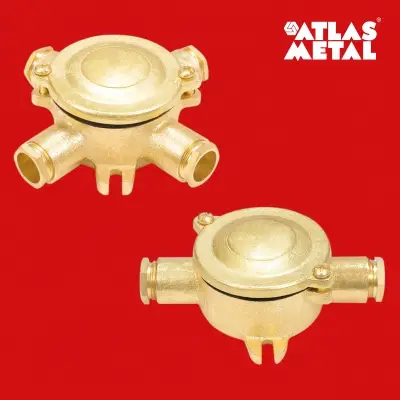
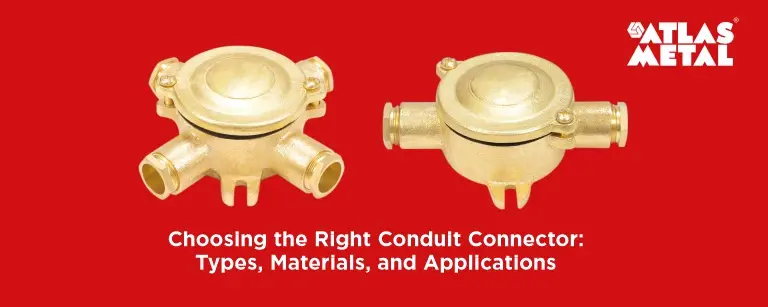
Brass conduit fittings are among the most reliable options for electrical installations. Brass offers excellent corrosion resistance, high mechanical strength, and long-term stability. These fittings perform well in environments exposed to moisture, heat, oil, or vibration. Due to these properties, brass fittings are commonly used in factories, power plants, and commercial buildings.
Steel and Galvanized Fittings
Steel conduit fittings provide strong mechanical protection and are often used in heavy-duty installations. Galvanized steel adds corrosion resistance, making it suitable for outdoor or semi-exposed environments.
Aluminium Fittings
Aluminium fittings are lightweight and cost-effective. They are suitable for applications where weight reduction is important but where corrosion exposure is moderate.
Plastic and PVC Fittings
Plastic fittings are mainly used in residential or light commercial applications. They are easy to install and cost-effective but not suitable for high-stress industrial environments.
Choosing the right material ensures that conduit fittings perform effectively under expected operating conditions. For industrial conduit components, brass remains the most preferred option due to its strength and reliability.
Conduit systems require different connector types based on layout, movement, and installation complexity. Understanding these types helps ensure proper selection.
Straight Conduit Connectors
These connectors are used to connect conduits directly to enclosures or panels. They provide a firm, straight connection and are commonly used in fixed installations.
Elbow and Angle Connectors
Used when conduit paths require directional changes, these fittings help maintain smooth cable routing without bending or stressing the wires.
Couplings and Adaptors
Couplings join two conduits of the same size, while adaptors allow connection between different sizes or thread types.
Brass Flexible Adaptor
A brass flexible adaptor is used when conduit systems require flexibility. These adaptors are ideal for areas with vibration, movement, or alignment challenges. They allow conduits to flex without damaging cables, making them suitable for machinery, motors, and equipment connections.
Brass flexible adaptors combine the strength of brass with the flexibility required in dynamic environments. They are widely used in industrial conduit components where rigid fittings may fail due to movement or stress.
Selecting the correct size is critical for the performance and safety of conduit systems. A conduit fitting size guide helps match the fitting with the conduit diameter accurately.
Why Size Matters
Incorrect sizing can lead to loose connections, cable abrasion, or difficulty during installation. Proper sizing ensures a tight fit, maintains system integrity, and prevents cable damage.
How to Determine the Right Size
- Measure the outer diameter of the conduit
- Check the thread type and length
- Match fittings using a standardized conduit fitting size guide
- Ensure compatibility with enclosures and accessories
Selection Tips
- Always follow manufacturer specifications
- Avoid force-fitting mismatched sizes
- Use reducers or adaptors when size transition is needed
- Choose fittings that allow easy maintenance
Using the correct conduit fitting size improves installation efficiency and ensures long-term reliability, especially in industrial installations where precision is essential.
In addition to connectors, a conduit system relies on various conduit accessories to function effectively.
Locknuts and Bushings
Locknuts secure connectors to enclosures, while bushings protect cable insulation from sharp edges.
Gaskets and Sealing Rings
These accessories provide protection against dust and moisture, especially in outdoor or industrial applications.
Clamps and Straps
Used to secure conduits along walls or structures, clamps help maintain alignment and reduce stress.
Reducers and Thread Adaptors
These components allow connection between different conduit sizes or thread types without compromising system integrity.
High-quality conduit accessories enhance the overall performance of conduit fittings and connectors. Using compatible accessories ensures safety, durability, and compliance with installation standards.
Industrial conduit components are designed to handle demanding operating conditions. They are used across industries where electrical safety and system durability are critical.
Manufacturing Plants
Protect wiring in areas exposed to vibration, heat, and mechanical movement.
Power and Energy Sector
Used in substations, power panels, and control rooms to ensure safe cable management.
Commercial Buildings
Provide structured wiring systems for lighting, HVAC, and electrical distribution.
Correct installation ensures the performance and safety of conduit systems.
Infrastructure and Construction
Used in tunnels, bridges, and large facilities where long conduit runs are required.
Brass conduit fittings and connectors are especially valuable in these environments due to their strength, corrosion resistance, and long service life.
Installation Best Practices
- Use the correct conduit fitting size
- Avoid overtightening connectors
- Ensure smooth cable entry and exit
- Use proper conduit accessories for sealing
- Inspect fittings before installation
Maintenance Tips
- Periodically check for loosened connectors
- Inspect fittings in high-vibration areas
- Replace damaged components promptly
Following best practices reduces installation errors, improves system reliability, and extends the life of conduit fittings and connectors.
Selecting the right manufacturer is just as important as choosing the right product. A reliable manufacturer ensures consistent quality, precise dimensions, and tested materials.
When evaluating a manufacturer, consider:
- Material quality and manufacturing standards
- Range of conduit fittings and accessories
- Product consistency and finishing
- Industry experience and technical expertise
Atlas Metal, with its expertise in manufacturing high-quality brass components, delivers dependable brass conduit fittings and industrial conduit components that meet demanding application needs.
Choosing the right conduit connector is essential for building safe, durable, and efficient electrical systems. Understanding conduit fittings, materials, size selection, accessories, and industrial applications helps ensure proper installation and long-term performance. By selecting high-quality brass fittings from a trusted manufacturer, electrical systems can achieve superior protection and reliability.
Compression fittings create tight seals without threading.
Yes, they protect wiring from moisture and dust.
Reuse depends on condition and thread integrity.
Specially rated fittings ensure safety in explosive zones.
Yes, grounding ensures electrical safety.
They differ in strength and application.
Yes, brass resists corrosion in humid conditions.