ENQUIRE NOW ENQUIRE NOW ENQUIRE NOW

Category Archives: Cable Cleats

Polymer vs Metallic Cable Cleats – Innovations & Applications | Atlas Metal
Categories Cable Cleats

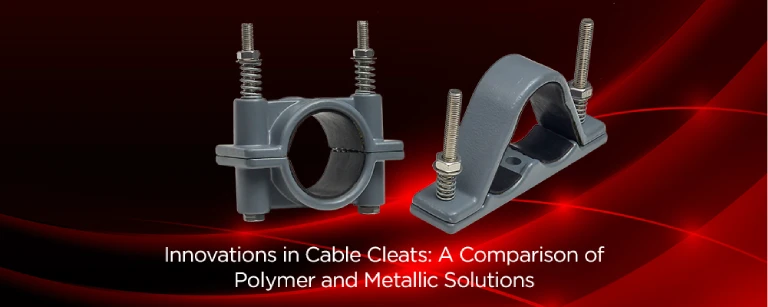
Innovations in Cable Cleats: Polymer vs Metallic Cleats

The Evolving Role of Cable Cleats in Modern Installations

In electrical and industrial installations, the importance of a secure and reliable cable management system cannot be overstated. Cable cleats, though small, play a critical role in ensuring the stability and safety of cable routes. With the growing demand for infrastructure across various sectors, choosing the right type of cable cleat has become more crucial than ever.

Today, both polymer cable cleats and metallic cable cleats are widely used in installations across indoor and outdoor environments. Each has its unique strengths, material advantages, and suitability depending on the installation requirement. In this blog, we’ll explore the innovations in cable cleats, compare stainless steel cleats vs polymer cleats, and provide a practical cable cleat installation guide to help users choose the ideal solution.

Atlas Metal, a leader in engineered metal components, presents this informative piece to help you make the right decision based on functionality, safety, and cost-efficiency.

What Are Cable Cleats?

Cable cleats are mechanical devices used to secure cables and prevent them from moving due to electromagnetic forces, vibrations, or accidental pulls. They play a vital safety role, especially in systems dealing with high voltage or mechanical stress.

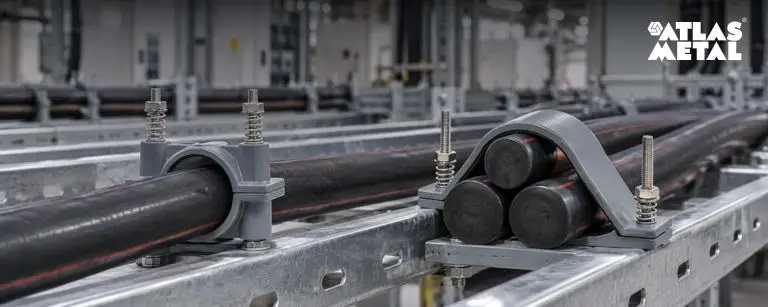
Cable cleats are typically installed at regular intervals along the length of cables to provide grip and maintain alignment. Whether it’s power distribution in a residential building or large-scale industrial setups, cleats ensure that cables stay in place and reduce strain on terminals and joints.

The design of cleats has evolved significantly over the years. Modern versions are now made with a variety of materials including metal alloys and polymers. This innovation has led to the widespread use of both polymer cable cleats and metallic cable cleats, each addressing specific operational and environmental needs.

For instance, cable cleats for high fault currents are mostly metallic due to their superior mechanical strength, while UV-resistant polymer cleats are ideal for indoor applications with minimal exposure to external elements. To better understand the options available, we must explore each type in detail.

Polymer Cable Cleats: Lightweight & Non-Conductive

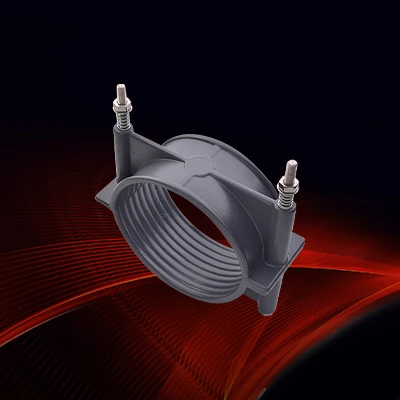
Polymer cable cleats are made using high-grade thermoplastics or composite materials. These cleats have gained popularity due to their lightweight nature, electrical insulation, and resistance to corrosion.

Benefits of Polymer Cable Cleats:

  • Non-corrosive and weather-resistant: Ideal for installations where exposure to moisture or chemicals is a concern.
  • Electrical insulation properties: Since polymers are non-conductive, they provide an additional layer of safety in sensitive environments.
  • Easy to handle and install: Their lightweight structure reduces labor intensity and speeds up installation.
  • Lower cost for non-extreme environments: Perfect for standard applications where extreme mechanical forces are not a factor.

UV-resistant polymer cleats are specially designed to withstand prolonged exposure to sunlight, making them suitable for controlled indoor and semi-outdoor environments. Moreover, flame-retardant cable cleats made of polymer can prevent fire propagation, an essential requirement in data centers and commercial buildings.

Ideal For:

  • Residential buildings
  • Indoor commercial spaces
  • Data centers
  • Telecommunication cabinets

While polymer cleats are not ideal for high-stress applications, their versatility and low-cost maintenance make them a smart choice for many modern installations. Always refer to a cable cleat installation guide to ensure compatibility with cable type and layout.

Metallic Cable Cleats: Strong & Durable Solutions

Metallic cable cleats are often constructed from materials such as stainless steel, aluminium, or galvanized steel. These cleats are preferred for environments that demand high strength and resilience.

Benefits of Metallic Cable Cleats:

  • High mechanical strength: Suitable for areas with high vibration or mechanical impact.
  • Heat resistance: Better suited for high-temperature zones or systems with thermal variations.
  • Long life cycle: Especially when made of stainless steel or treated aluminium, they offer extended durability.
  • Fire safety: Metallic cleats are inherently fire-resistant, adding an extra layer of protection.

The aluminium cable cleats benefits include their balance between strength and weight, making them easier to install than heavier metals but still strong enough for critical setups.

A common consideration in the market is the debate around stainless steel cleats vs polymer cleats. Stainless steel cleats are the clear choice for cable cleats for high fault currents, where the system must withstand extreme electromagnetic forces without displacement or breakage. However, they are more expensive and heavier, requiring more labor for installation.

Ideal For:

  • Industrial setups
  • Power distribution stations
  • Outdoor installations with high environmental stress
  • High-voltage cable routes

As always, refer to the correct cable cleat installation guide for spacing, torque values, and compatibility with specific cable diameters.

Flame-Retardant and UV-Resistant Cleats: Safety & Longevity

Whether you choose polymer or metallic cleats, safety is paramount. Flame-retardant cable cleats are essential in areas with high fire risks. In the event of a short circuit or fire, these cleats help prevent flames from spreading along the cable path.

UV-resistant polymer cleats offer additional protection in sunlit or outdoor environments. Extended UV exposure can degrade many plastics, but specially engineered polymers maintain their strength and integrity over time.

Aluminium cable cleats benefits extend here as well—they do not degrade under UV light and provide robust fire resistance. However, in indoor environments where fire safety and budget control are both important, flame-retardant cable cleats made from engineered polymers may be more appropriate.

Whether you’re installing for safety compliance or longevity, understanding the specific needs of your application will guide you toward the right product type. If you’re dealing with frequent sunlight exposure or flammable surroundings, always opt for cleats with certified UV or flame-retardant ratings.

Cable Cleat Installation Guide: Best Practices

Proper installation is just as important as choosing the right material. This cable cleat installation guide includes essential practices for a secure and effective setup:

  1. Spacing: Cable cleats should be installed at recommended intervals—typically every 300–600 mm, depending on the cable size and weight.
  2. Torque Specifications: Avoid over-tightening. Use a torque wrench to match the cleat’s recommended pressure.
  3. Surface Preparation: The installation surface should be clean, flat, and strong enough to hold the cleats and cables.
  4. Compatibility: Ensure that the cleat size matches the cable diameter.
  5. Material Matching: Avoid placing metallic cleats on conductive surfaces without insulation, and vice versa.
  6. Environmental Check: Use UV-resistant polymer cleats or aluminium cable cleats depending on the installation zone.

Following a reliable cable cleat installation guide not only ensures longevity but also enhances system safety and compliance with electrical codes.

Conclusion: Choosing the Right Cable Cleat with Atlas Metal

Understanding the difference between polymer cable cleats and metallic cable cleats is essential for making the right installation decision. Both options have their place in electrical systems, depending on the application and environmental needs.

Where weight, cost, and insulation are critical—polymer cable cleats provide a practical solution. In contrast, when strength, heat resistance, and fault current management are priorities, metallic cable cleats become the better fit. The comparison of stainless steel cleats vs polymer cleats helps clarify these trade-offs.

Whether it’s for flame-retardant cable cleats, cable cleats for high fault currents, or UV-resistant polymer cleats, Atlas Metal ensures top-quality components tailored for diverse requirements. Use our in-depth cable cleat installation guide and consult our experts to secure your cable systems with confidence.

Trust Atlas Metal—a name known for strength, quality, and innovation.

FAQs

The key difference lies in their material and performance characteristics. Polymer cable cleats are lightweight, non-conductive, and corrosion-resistant—ideal for indoor or low-stress environments. Metallic cable cleats, on the other hand, are stronger, heat-resistant, and suitable for high-fault-current or industrial applications.

Yes, but only if they are UV-resistant polymer cleats. These are designed to withstand sunlight exposure without degradation. However, for harsh or high-stress outdoor conditions, aluminium or stainless steel cleats are generally preferred for added durability.

Choose stainless steel cleats when your installation involves high mechanical stress, high fault currents, or exposure to heat and vibration. They are particularly suited for industrial sites, substations, and power plants where reliability under extreme conditions is crucial.

Follow a cable cleat installation guide that specifies spacing, torque settings, and compatibility with cable diameter. Always ensure the mounting surface is strong and clean. Over-tightening or improper alignment can compromise cable integrity and safety performance.

Not always—but they are strongly recommended for environments with fire risk or sun exposure. Flame-retardant cleats prevent fire propagation along cables, while UV-resistant cleats maintain their strength and shape under sunlight. Choosing the right variant ensures long-term safety and compliance with standards.

Categories Cable Cleats

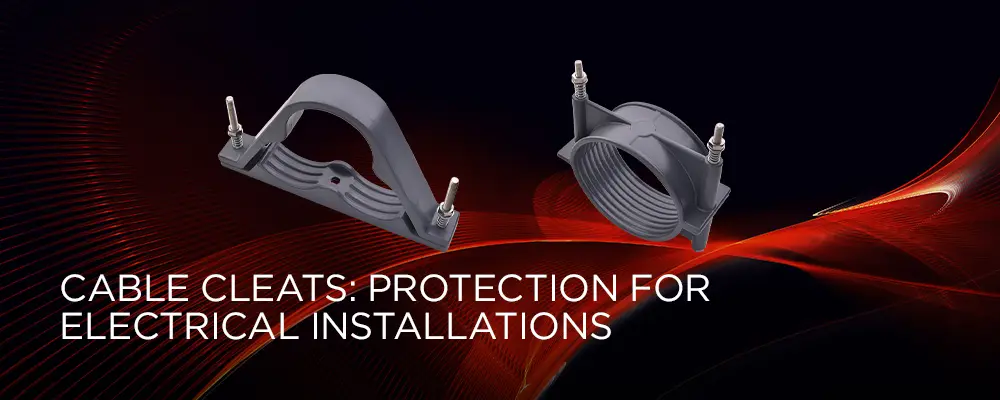
Cable Cleats: Protection for Electrical Installations

Electrical installations are vital to ensuring uninterrupted power supply across industries, commercial setups, and households. To maintain the safety and stability of these systems, cable cleats play a crucial role. These simple yet essential components provide mechanical support and secure cable management, ensuring cables remain safely positioned and protected during electrical surges, faults, or environmental disturbances.

In this comprehensive guide, we will explore what cable cleats are, their applications, types, and the key factors to consider when choosing the right cleat for your electrical systems. We’ll also highlight Atlas Metal Industries Pvt Ltd’s commitment to providing durable and high-performance cable cleats for your installation needs.

What Are Cable Cleats?

Cable cleats are mechanical devices designed to hold and secure electrical cables in place. They provide restraint and protection to cables, particularly in environments where electrical faults, mechanical stress, or environmental factors could cause displacement.

Cable cleats are manufacture generally from materials such as stainless steel, aluminum, or flame-retardant plastics. Their primary role is to ensure cable stability, prevent movement, and reduce the risk of damage or short circuits.

By choosing the appropriate cable cleat, electrical engineers can maintain safe installations and prevent costly downtime or electrical hazards.

What Are Cable Cleats Used For?

Cable cleats are used in various applications to secure and protect cables in electrical systems. Their key functions include:

  1. Cable Management: Cleats hold cables firmly in place, ensuring they remain organized and secure.
  2. Mechanical Protection: During short circuits or electrical surges, cleats prevent cables from excessive movement, reducing the risk of damage.
  3. Fire Safety: Cleats designed with flame-retardant materials help prevent fire from spreading through cable runs.
  4. Environmental Protection: For outdoor or harsh environments, specialized cleats offer protection against weather, moisture, and corrosive elements.

From industrial power stations to data centers, cable cleats are indispensable for maintaining electrical system integrity.

Cable Cleats Uses in Electrical Systems

In electrical systems, cable cleats provide essential protection and management in various environments:

  • Power Distribution Networks: Cleats secure heavy-duty cables used in power transmission.
  • Industrial Facilities: Trefoil arrangements using trefoil cable cleats prevent electromagnetic interference in high-voltage installations.
  • Renewable Energy Systems: Cable cleats ensure cable stability in solar, wind, and hydroelectric power setups.
  • Marine and Offshore Installations: Corrosion-resistant aluminium cable cleats are ideal for harsh environments.

By securing cables effectively, cleats minimize the risk of electrical faults, ensuring system reliability.

Types of Cable Cleats

Understanding different types of cable cleats is essential for choosing the right product for your installation. The most common types include:

1. Single Cable Cleats

  • Designed for securing individual cables to walls, ceilings, or mounting structures.
  • Ideal for installations where cables run separately to reduce electromagnetic interference.

2. Trefoil Cable Cleats

  • Specifically designed for three-phase systems where cables are arranged in a triangular formation.
  • Trefoil cable cleats reduce electromagnetic interference and maintain equal cable spacing for optimal performance.

3. Aluminium Cable Cleats

  • Lightweight yet strong, aluminium cable cleats are corrosion-resistant and ideal for outdoor installations.
  • Suitable for both single and bundled cable arrangements.

4. Multicore Cable Cleats

  • Designed to secure multiple cables grouped together in compact installations.
  • Suitable for control panels, switchgear, and building management systems.

Choosing the appropriate cable cleat type ensures efficient cable management and reliable protection for electrical installations.

Choosing the Right Cable Cleat

Selecting the right cable cleat is crucial for ensuring the safety and performance of electrical systems. Consider the following factors when choosing a cleat:

  1. Cable Size and Type: Measure the diameter of your cables to select a cleat that fits securely.
  2. Environmental Conditions: Use corrosion-resistant materials like aluminium cable cleats for outdoor installations.
  3. Short-Circuit Performance: Ensure the cleat can withstand high mechanical forces during electrical faults.
  4. Mounting Surface: Choose cleats that align with the mounting structure (wall, ceiling, or ladder).
  5. Compliance Standards: Select cleats that adhere to industry safety and performance standards.

By carefully evaluating these factors, you can ensure a secure and efficient cable management solution for your installation.

Safety Considerations

When installing cable cleats, following best practices enhances system safety and longevity. Key safety tips include:

  • Correct Positioning: Ensure cleats are spaced evenly to prevent cable sagging or excessive strain.
  • Material Selection: Use flame-retardant or corrosion-resistant cleats for enhanced durability in hazardous environments.
  • Secure Fastening: Tighten bolts and screws adequately to prevent loose connections that may cause vibrations or displacements.
  • Regular Inspection: Periodically check cleats for signs of wear, corrosion, or damage to ensure long-term stability.

By implementing these safety measures, you can maintain a secure and efficient electrical system.

Conclusion

Cable cleats are indispensable for safeguarding electrical installations by securing and stabilizing cables in various environments. Whether you require trefoil cable cleats, aluminium cable cleats, or other specialized options, Atlas Metal Industries Pvt Ltd offers durable and high-performance solutions to meet your needs.

Explore Atlas Metal’s extensive range of cable cleats for superior protection in industrial and commercial applications. Contact at sales@atlasmetalind.com or +91-288 2730 944. today for expert guidance and top-quality products.

FAQs

Proper cable cleat installation ensures cables remain firmly in place, reducing the risk of short circuits or mechanical damage.

Yes, aluminium cable cleats are corrosion-resistant and ideal for outdoor environments exposed to weather elements.

Trefoil cable cleats are designed for three-phase systems to maintain cable spacing and minimize electromagnetic interference

Yes, specialized cable cleats with flame-retardant or corrosion-resistant materials are suitable for hazardous conditions.

Atlas Metal Industries Pvt Ltd offers a comprehensive range of cable cleats designed for optimal performance in electrical installations.

Cable cleats used in India
Categories Cable Cleats

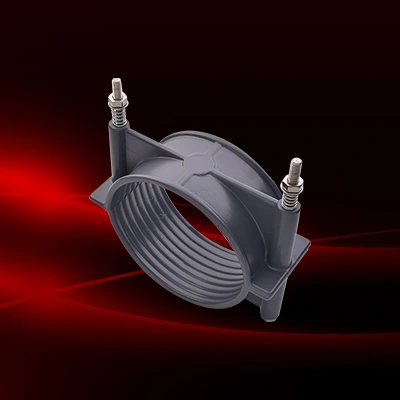
Cable Cleats: Types, Uses & Leading Manufacturers in India

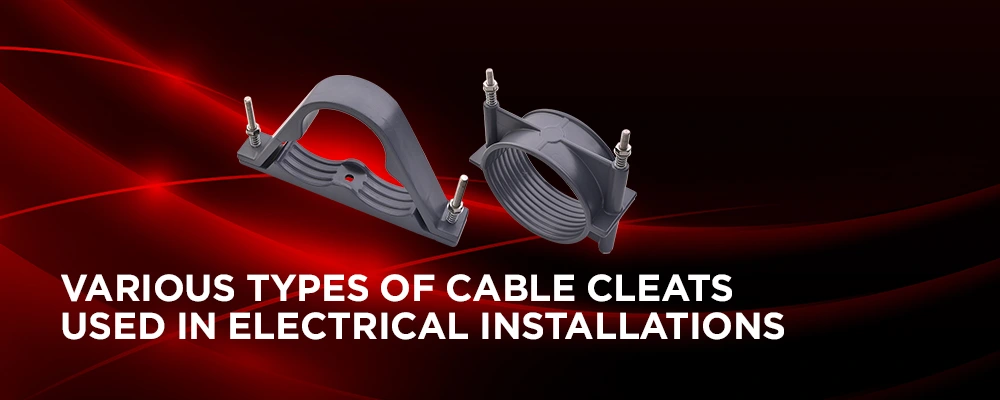
various types of cable cleats used in India

Introduction

In electrical installations, ensuring the stability and safety of cables is paramount. Cable cleats play a crucial role in securing cables, preventing movement, and maintaining system integrity. This blog delves into the different types of cable cleats, their uses, and highlights some of the best manufacturers in India, including Atlas Metal Industries.

Understanding Cable Cleats: Definition and Importance

Cable cleats are devices designed to secure electrical cables in place, preventing them from moving under electrical, mechanical, or environmental stress. They are essential components in cable management systems, ensuring that cables remain fixed and protected throughout their service life.

Importance of Cable Cleats:

  • Safety: By securing cables, cleats prevent movement that could lead to insulation damage, short circuits, or electrical fires.
  • System Integrity: Properly installed cable cleats maintain the organized layout of cables, reducing the risk of mechanical stress and wear.
  • Short Circuit Protection: In the event of a short circuit, cable cleats restrain the cables, minimizing potential damage and hazards.

Understanding the role of cable cleats is fundamental for anyone involved in electrical installations, as they contribute significantly to the overall safety and reliability of electrical systems.

Types of Cable Cleats

Cable cleats come in various types, each designed to meet specific application requirements. Below are some common types:

  • Single Cable Cleats: Designed to secure individual cables, these cleats are commonly used in installations where cables are laid in single runs.
  • Trefoil Cable Cleats: Specifically designed for three single-core cables arranged in a trefoil (triangular) formation. This arrangement helps maintain magnetic symmetry, reducing electromagnetic interference.
  • Aluminium Cable Cleats: Made from aluminum, these cleats offer high strength and corrosion resistance, suitable for both indoor and outdoor applications.
  • Aluminium Cable Cleats Two Bolts: These cleats feature a two-bolt design, providing additional stability and support for larger or heavier cables.
  • Aluminium Cable Cleats Trefoil Type: Combining the benefits of aluminum construction and trefoil design, these cleats are ideal for securing three single-core cables in trefoil formation.

Selecting the appropriate type of cable cleat depends on factors such as cable configuration, environmental conditions, and mechanical stress considerations.

Applications and Uses of Cable Cleats

Cable cleats are utilized across various industries to ensure the secure installation of electrical cables. Some common applications include:

  • Power Generation and Distribution: Securing high-voltage cables in power plants and substations to maintain system integrity and safety.
  • Industrial Facilities: Organizing and securing cables in manufacturing plants, reducing the risk of mechanical damage and ensuring operational efficiency.
  • Marine and Offshore Installations: Providing robust cable management solutions that can withstand harsh environmental conditions.
  • Commercial and Residential Buildings: Ensuring neat and safe cable installations in various building types.

The use of appropriate cable cleats in these applications helps prevent cable movement, reduces wear and tear, and enhances the overall safety of electrical installations.

Leading Cable Cleats Manufacturers in India

India is home to several reputable cable cleats manufacturers known for their quality products and innovative solutions. Here are some of the top manufacturers:

  • Atlas Metal Industries: A prominent manufacturer offering a range of cable cleats, including aluminum trefoil types, known for their precision engineering and durability. 
  • Ajmera: Specializes in trefoil clamps and cable cleats made from virgin glass-filled nylon materials, providing high impact resistance and durability
  • Ellis Patents: Offers the Atlas range of cable cleats, designed for single and trefoil cable formations, manufactured from galvanized steel for enhanced strength.

These manufacturers have established themselves through consistent quality, innovation, and customer satisfaction, making them preferred choices for various industries.

Atlas Metal Industries: A Trusted Name in Cable Accessories

Atlas Metal Industries has established itself as a leader in manufacturing quality brass pipe fittings and cable accessories. Their commitment to precision engineering and adherence to stringent quality standards make them a trusted choice for cable cleats and related products. With a focus on customer satisfaction, Atlas Metal Industries offers a range of cable accessories designed to meet diverse industrial requirements.

Factors to Consider When Choosing Cable Cleats

Selecting the right cable cleats is crucial for ensuring the safety and longevity of electrical installations. Consider the following factors:

  • Cable Size and Configuration: Ensure the cleat is compatible with the cable’s diameter and arrangement (e.g., single, trefoil).
  • Material: Choose cleats made from materials suitable for the installation environment, such as aluminum for corrosion resistance.
  • Mechanical Strength: The cleat should withstand the mechanical forces exerted during normal operation and potential short circuits.
  • Environmental Conditions: Consider factors like temperature, humidity, and exposure to chemicals when selecting cleat materials.
  • Compliance with Standards: Ensure the cleats meet relevant industry standards and certifications for safety and performance.

By carefully evaluating these factors, you can select cable cleats that will provide reliable performance and enhance the safety of your electrical installations.

Conclusion

Cable cleats are essential components in electrical installations, providing stability, safety, and protection for cables across various industries. Leading manufacturers like Atlas Metal Industries provide high-quality cable cleats designed to meet industry standards and enhance cable management efficiency. By carefully choosing appropriate cable cleats, businesses and professionals can minimize risks, prevent damage, and maintain the reliability of their electrical systems

Categories Brass Conduit Fittings Cable Cleats Cable Gland Cable Lugs

Cable Glands Size Chart: A Beginner’s Guide to Cable Gland Sizing by Atlas Metal

Cable gland size chart

Introduction

In the world of electrical installations, choosing the right cable gland size is crucial for ensuring the safety and reliability of connections. Cable glands serve as a protective mechanism where cables enter equipment, securing the cable and providing strain relief. While this might sound straightforward, the sizing of cable glands can often be complex, especially for those new to this domain. In this beginner’s guide, we’ll take you through the fundamentals of cable gland sizing, offering a comprehensive cable glands size chart and explaining how to measure and select the correct size.

Atlas Metal, a leader among cable gland manufacturers in India, has crafted this guide to help both novice and experienced users understand and choose the right cable gland for their needs. Whether you’re looking for specific types of cable glands or need to understand the differences in size, this guide will equip you with all the essential information.

Cable Gland Size Chart

One of the most important tools for selecting the right cable gland is a cable glands size chart. This chart serves as a reference for matching the diameter of the cable with the appropriate gland size. It’s essential to consult this chart before purchasing to ensure a secure and safe connection.

Cable Diameter (mm)Gland Size
3.5 – 616mm
6 – 920mm
9 – 1225mm
12 – 1532mm
15 – 1840mm

These are common sizes, but it’s always recommended to double-check with specific manufacturers, such as cable gland manufacturers in Jamnagar, for region-specific charts or specialized projects. The cable gland size you choose should match the cable’s outer diameter, taking into account factors such as insulation and environmental conditions.
Consulting a reliable cable glands size chart can significantly streamline the selection process and ensure the gland fits securely without causing damage to the cable or the equipment.

How to Measure Cable Glands

Measuring the correct size for a cable gland involves understanding a few key dimensions. The first measurement to note is the cable’s outer diameter. This determines the basic gland size. However, there are other measurements to consider, such as:

  1. Thread Size: This refers to the diameter of the threaded part of the gland that screws into the equipment.
  2. Entry Hole Size: The size of the hole in the equipment where the gland will be installed.
  3. Seal Length: This refers to the length of the gland that will engage with the equipment.

To measure accurately:

  • Use a caliper to measure the outer diameter of the cable.
  • Measure the hole where the gland will be installed to ensure a snug fit.
  • Cross-check these measurements with the cable gland size chart.

Measuring these components ensures that the gland fits properly, preventing issues like over-tightening, which can lead to electrical failures or equipment damage. Many cable gland suppliers provide detailed instructions, but following basic measurement guidelines will give you a solid foundation for selecting the correct gland size.

How to Check You Have the Correct Cable Gland Size

Once you’ve measured and selected the gland size using a cable gland size chart, it’s essential to verify the fit. Here’s how you can check if the size you’ve chosen is correct:

  1. Dry Fit Test: Insert the cable through the gland without fully tightening it. The cable should slide through easily, but once the gland is tightened, it should form a firm seal around the cable.
  2. Check for Strain Relief: Ensure that the gland provides adequate strain relief to protect the cable from pulling and twisting.
  3. Inspect the Seal: Once installed, check for any gaps between the gland and the cable. A good fit will have no gaps and will create a seal that prevents ingress of dust, dirt, or moisture.

If the gland is too large, it won’t provide adequate sealing, leading to potential damage. Conversely, a gland that is too small may strain the cable, causing unnecessary wear. Double-checking these factors is essential to ensuring a secure installation.

How to Choose a Cable Gland

Choosing the right cable gland involves more than just looking at a cable glands size chart. Consideration must also be given to:

  1. Material: Cable glands are typically made from brass, stainless steel, or plastic. For industrial applications, brass glands are highly recommended for their durability and corrosion resistance. Atlas Metal, a trusted cable gland manufacturer in India, specializes in high quality brass cable glands.
  2. Application: The environment where the cable gland will be installed is critical. In hazardous environments, explosion-proof glands might be necessary. In outdoor environments, glands should have IP ratings that protect against water and dust.
  3. Certifications: Ensure that the cable glands meet relevant industry standards for safety and performance. Common certifications include ATEX and IECEx for hazardous areas.

Consulting with reputable cable gland manufacturers in Jamnagar and other regions ensures you receive expert guidance for selecting the appropriate gland for your specific application.

Shop Our Selection of Cable Glands

At Atlas Metal, we offer a wide range of high-quality brass cable glands designed for various industrial applications. Our product selection includes cable glands that are meticulously engineered to meet industry standards, ensuring durability and reliability.
Whether you are looking for cable gland types and sizes for small-scale projects or specialized installations, our catalog offers a vast selection suited to your needs. As a premier cable gland supplier, we pride ourselves on offering products that provide excellent performance, reliability, and ease of installation.
To shop our full range of cable glands, visit our website and explore our collection tailored to meet diverse requirements.

Related Products

In addition to cable glands, we also offer a range of related products, including:

  1. Cable Lugs: These are essential components for securely terminating cables in electrical connections.
  2. Brass Fittings: Known for their durability and resistance to corrosion, brass fittings are used in various applications, from plumbing to electrical installations.
  3. Conduit Fittings: Designed to protect cables and wires, conduit fittings are available in a variety of sizes to suit different project requirements.

As one of the leading cable gland manufacturers in India, we ensure that all our products are crafted with precision and tested for high performance.

FAQs

A cable glands size chart is essential for ensuring you select the correct size cable gland for your installation. It helps match the outer diameter of the cable to the appropriate gland size, preventing issues like improper sealing, which can lead to equipment failure or safety hazards. Using a size chart simplifies the process of finding the right gland for your specific cable type.

For hazardous environments, it’s essential to choose a cable gland that meets stringent safety standards, such as ATEX or IECEx certification. In such cases, explosion-proof or flameproof glands are recommended. Always consult cable gland suppliers who specialize in these types of glands to ensure the product is fit for purpose. Cable gland manufacturers in India, like Atlas Metal, offer high-quality, certified cable glands suitable for hazardous areas.

Cable glands are typically made from materials like brass, stainless steel, or plastic. Brass is highly durable and corrosion-resistant, making it ideal for industrial applications. Stainless steel is recommended for environments with extreme conditions, while plastic is suitable for lighter-duty installations. Brass cable glands, offered by cable gland manufacturers in Jamnagar, are a popular choice for their durability and resistance to harsh conditions.

No, it’s crucial to select the correct gland size by referring to a cable glands size chart. Using a gland that’s “close enough” can lead to improper sealing, inadequate strain relief, or potential damage to the cable. Always ensure the gland matches the exact outer diameter of the cable for optimal safety and functionality.

When selecting cable glands, look for certifications like ATEX, IECEx, or UL. These certifications ensure that the cable gland meets specific safety and performance standards, particularly in hazardous environments. Leading cable gland manufacturers in India, such as Atlas Metal, offer certified products that guarantee durability, performance, and safety compliance in demanding industrial applications.

Cable Cleat Installation by Atlas Metal
Categories Cable Cleats

The Ultimate Guide to Cable Cleat Installation by Atlas Metal

The Ultimate Guide to Cable Management with Cable Cleats by Atlas Metal

In the realm of electrical installations, ensuring the stability and safety of cables is paramount. One crucial component that aids in achieving this is the cable cleat. Designed to secure and manage cables, cable cleats play a vital role in maintaining order and safety in cable management systems.

Atlas Metal, a leading cable cleat manufacturer based in Jamnagar, India, presents this comprehensive guide on cable cleat installation. This guide will cover everything from understanding cable cleats for electrical installations to maintenance and inspection, providing you with a holistic view of the installation process.

Understanding Cable Cleats

Cable cleats are devices used to support and secure cables, ensuring they remain in place and do not suffer damage due to movement or external forces. They are essential in various industries, particularly in electrical installations, where the stability of cables is critical. Cable cleats come in different sizes and materials, making it important to choose the right type of cable cleats for your specific application.

Types of Cable Cleats

Atlas Metal provides two types of cable cleats:

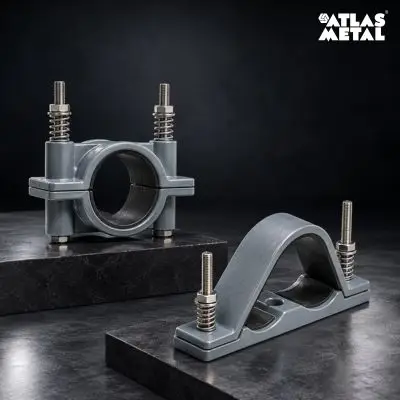
Aluminium Cable Cleats Two Bolts: Used for securing individual cables. They offer robust support and are suitable for various electrical installations.
Aluminium Cable Cleats Trefoil Type: Designed for three-core cables or three single-core cables arranged in a trefoil configuration. These cleats provide enhanced stability for grouped cables, reducing the risk of movement and ensuring a neat installation.

Importance of Cable Cleats

Using cable cleats in electrical installations offers several benefits:
Safety:

Prevents cables from moving and causing short circuits or electrical hazards.

Organisation:

Ensures a neat and orderly cable management system.

Durability:

Protects cables from physical damage, extending their lifespan.

Atlas Metal, being one of the leading cable cleats manufacturers in India, emphasises the importance of selecting the appropriate cable cleats for your electrical installations to ensure optimal performance and safety.

Pre-installation Considerations

Before installing cable cleats, several factors need to be considered to ensure a successful and safe installation. These pre-installation considerations include the selection of appropriate cleats, understanding the installation environment, and preparing the necessary tools and materials.

Selection of Cable Cleats

Choosing the right cable cleats involves understanding the size and type of cables being installed. Refer to a cable cleats size chart to determine the correct size and type of cleat required for your application. This ensures that the cleats will fit properly and provide adequate support for the cables.

Installation Environment

The environment in which the cable cleats will be installed plays a significant role in their performance. Factors to consider include:

Temperature:

Ensure the cleats are suitable for the operating temperature of the environment.

Exposure to Chemicals:

Select cleats that are resistant to any chemicals they may be exposed to.

Mechanical Stress:

Consider the amount of mechanical stress the cleats will need to withstand.

Tools and Materials

Prepare all necessary tools and materials before beginning the installation. This includes the cable cleats, mounting hardware, and any additional equipment required for the installation. Ensuring you have everything on hand will make the installation process smoother and more efficient.

Step-by-Step Installation Process

Installing cable cleats involves a series of steps that must be followed carefully to ensure a secure and effective installation. Here is a step-by-step guide to help you through the process.

Step 1: Planning the Installation

Begin by planning the layout of the cables and cleats. Determine the spacing and placement of the cleats along the cable route. Proper planning will ensure that the cables are adequately supported and organised.

Step 2: Marking the Mounting Points

Mark the points where the cable cleats will be mounted. Ensure the spacing between the cleats is consistent and follows the recommendations provided in the cable cleats size chart. Accurate marking will help in achieving a uniform and professional installation.

Step 3: Installing the Cable Cleats

Install the cable cleats at the marked points. Secure them using the appropriate mounting hardware, ensuring they are tightly fastened. It is crucial to use the right type of screws or bolts to avoid any movement or loosening of the cleats over time.

Step 4: Securing the Cables

Place the cables in the cleats and secure them firmly. Ensure that the cables are not twisted or bent excessively, as this can cause damage. The cleats should hold the cables snugly without applying excessive pressure that could damage the insulation.

Step 5: Final Inspection

After installing the cable cleats and securing the cables, conduct a final inspection to ensure everything is in place and properly secured. Check for any loose hardware or improperly positioned cables.

Common Installation Mistakes to Avoid

Even with careful planning, mistakes can occur during the installation of cable cleats. Being aware of these common mistakes can help you avoid them and ensure a successful installation.

Incorrect Cleat Selection

Choosing the wrong type or size of cable cleats is a common mistake. Always refer to a cable cleats size chart and consider the specific requirements of your installation to select the appropriate cleats.

Improper Spacing

Inconsistent or improper spacing between cable cleats can lead to inadequate support for the cables. Follow the manufacturer’s recommendations for spacing to ensure optimal performance.

Inadequate Securing of Cables

Failing to secure the cables properly within the cleats can result in movement and potential damage. Ensure the cables are firmly secured without being overly tightened.

Ignoring Environmental Factors

Not considering the environmental factors, such as temperature and exposure to chemicals, can compromise the performance of the cable cleats. Always select cleats that are suitable for the specific environment of your installation.

Installation Tips and Best Practices

Following best practices during the installation of cable cleats can enhance the efficiency and safety of your cable management system. Here are some tips to keep in mind.

Use Quality Cleats

Invest in high-quality cable cleats from reputable cable cleats manufacturers in India, like Atlas Metal. Quality cleats ensure better performance and longevity.

Regular Maintenance

Regularly inspect and maintain the installed cable cleats to ensure they remain in good condition. This includes checking for any signs of wear or damage and replacing any faulty cleats promptly.

Proper Documentation

Keep detailed records of the installation process, including the types of cleats used, their placement, and any maintenance performed. This documentation can be valuable for future reference and maintenance.

Training and Awareness

Ensure that all personnel involved in the installation are properly trained and aware of the best practices and safety protocols. This reduces the risk of errors and enhances the overall quality of the installation.

Maintenance and Inspection of Installed Cable Cleats

Proper maintenance and regular inspection of installed cable cleats are crucial for ensuring the longevity and reliability of your cable management system. Here are some guidelines for maintaining and inspecting cable cleats.

Regular Inspection

Conduct regular inspections of the cable cleats to check for any signs of wear, damage, or loosening. Pay particular attention to areas exposed to high mechanical stress or harsh environmental conditions.

Cleaning

Keep the cable cleats and surrounding areas clean and free from dust, dirt, and debris. Accumulation of these materials can affect the performance and longevity of the cleats.

Tightening and Adjustments

Periodically check and tighten any loose hardware to prevent movement and ensure the cleats remain securely fastened. Make any necessary adjustments to the position of the cleats to maintain proper support for the cables.

Replacement of Damaged Cleats

Replace any damaged or worn-out cable cleats promptly to maintain the integrity of the cable management system. Using damaged cleats can compromise the safety and performance of the installation.

Conclusion

Cable cleat installation is a critical aspect of cable management in electrical installations. By following the guidelines provided by Atlas Metal, you can ensure a safe, efficient, and professional installation. From understanding cable cleats to proper maintenance and inspection, every step plays a vital role in the overall success of your cable management system. Remember to choose high-quality cable cleats from reputable cable cleats manufacturers in Jamnagar, India like Atlas Metal, and adhere to best practices for optimal results. Whether you are working in metal industries in India or any other sector, proper cable cleat installation is essential for maintaining the safety and reliability of your electrical installations.

FAQs

Refer to a cable cleats size chart and consider the cable diameter and installation environment to select the appropriate cable cleats for electrical installations.

Avoid incorrect cleat selection, improper spacing, inadequate securing of cables, and ignoring environmental factors to ensure effective cable management.

Inspect and maintain cable cleats regularly, especially in metal industries in India, to check for wear, tighten loose hardware, clean the cleats, and replace damaged ones promptly.