
ENQUIRE NOW ENQUIRE NOW ENQUIRE NOW

Category Archives: Earthing Accessories

copper bonded earth rod
Categories Earthing Accessories

The Ultimate Guide to Copper Bonded Earth Rods: Ensuring Electrical Safety

Electrical systems today require safe grounding mechanisms to protect buildings, equipment, and people. One of the most reliable components used in grounding systems is the copper bonded earth rod. These rods provide strong, long-lasting protection against electrical faults by offering a low-resistance path for fault currents. As power distribution networks continue to expand in industrial, commercial, and residential environments, the demand for high-quality grounding components has also increased.

Copper bonded rods are designed to provide dependable electrical grounding even in harsh conditions. Their construction, corrosion resistance, and cost-effectiveness make them a preferred choice for engineers, electricians, and infrastructure developers. When paired with the right earthing accessories, these rods enhance the efficiency of the grounding system and support long-term electrical safety.

This blog explains everything you need to know from what a copper bonded rod is to its core specifications, uses, installation requirements, and selection guidelines. It also highlights the importance of choosing the right supplier and following a systematic earthing installation guide to ensure complete safety and performance.

What Is a Copper Bonded Earth Rod?

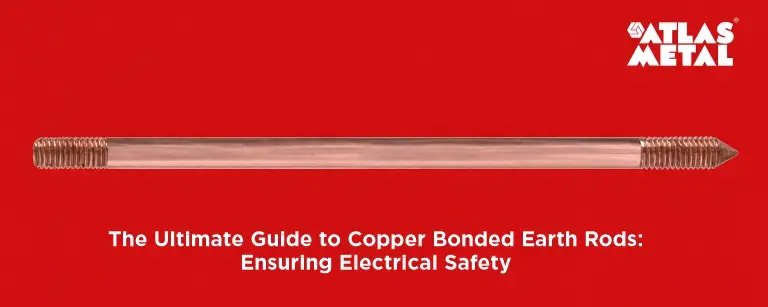
A copper bonded earth rod is a grounding electrode used to safely disperse fault currents into the earth. It consists of a steel core that is molecularly bonded with a thick layer of copper on the outer surface. This combination provides strength from the steel core and corrosion resistance from the copper coating. Because grounding systems often operate in soil environments with varying moisture and chemical levels, durability is key, and copper bonded rods offer a dependable solution.

The primary role of a copper bonded rod is to establish a secure connection between the electrical installation and the earth. This reduces the risk of equipment damage, fire hazards, and electrical shocks caused by faults. Copper bonded rods are widely used in industrial plants, commercial buildings, substations, telecom networks, and residential infrastructures.

Another reason for their popularity is the balance they offer between performance and cost. While solid copper rods can be expensive, a copper bonded ground rod delivers similar corrosion resistance at a more economical price. The copper layer remains securely bonded to the steel, allowing the rod to withstand bending, hammering, and installation pressure.

Copper bonded rods are available in different lengths, diameters, and coating thicknesses, depending on the grounding requirements. Their strength, corrosion resistance, and compatibility with common grounding methods make them an ideal choice for long-term electrical safety across various sectors.

Importance of Electrical Grounding for Safety

Electrical grounding is one of the most critical aspects of any electrical system. It ensures that excess or fault current flows safely into the earth rather than into equipment or human contact. The grounding mechanism protects appliances, prevents electrical shock, and reduces the risk of fire caused by insulation failure or voltage surges.

Without proper grounding, systems can become unstable, especially during lightning strikes or equipment faults. The presence of ungrounded currents may damage sensitive machinery or disrupt operations in industrial environments. This makes grounding an essential safety practice for both low-voltage and high-voltage installations.

Copper bonded earth rods play an important role in achieving effective grounding. Their ability to conduct fault currents quickly and safely makes them essential components of grounding networks. When paired with the right earthing accessories, such as clamps and connectors, they create a complete path for current dissipation.

Modern buildings and infrastructure projects rely on proper grounding to comply with safety standards. Regulatory guidelines and engineering codes across industries emphasize the use of certified grounding products. Copper bonded ground rods meet these requirements by offering both durability and performance under diverse environmental conditions.

Grounding is not just a technical necessity; it is a protective measure that ensures safety, stability, and continuity in electrical operations. Using high-quality components and following a detailed earthing installation guide ensures proper functioning and long-term reliability.

Copper Bonded Rod Specifications You Should Know

Understanding copper bonded rod specifications is important for selecting the right product for grounding systems. These specifications determine the rod’s durability, conductivity, and compatibility with soil conditions.

Copper Coating Thickness

Copper bonded rods are coated with copper through a molecular bonding process. The thickness usually ranges between 10 microns and 250 microns. Higher thickness provides better corrosion resistance.

Steel Core Quality

The steel core provides mechanical strength to withstand hammering during installation. High-grade low-carbon steel is commonly used.

Diameter and Length

Common diameters include 14 mm, 16 mm, 20 mm, and 25 mm. Lengths typically vary from 1 meter to 3 meters, depending on grounding requirements.

Tensile Strength

Copper bonded earth rods must have adequate tensile strength to withstand installation force. A typical value ranges above 600 N/mm².

Conductivity

The copper layer ensures smooth conductivity for fault currents. Better conductivity means faster current dissipation and higher safety.

Threading Options

Rods may be available in threaded or unthreaded formats. Threaded rods support easy connection with couplers and clamps.

When evaluating copper bonded rod specifications, it is important to ensure that the product meets international standards. High-quality rods maintain consistent dimensions, correct copper thickness, and adequate mechanical strength. A reliable supplier ensures that the rods are manufactured with precision and undergo quality inspection before shipment.

Essential Earthing Accessories for Effective Installation

Ground Rod Clamps

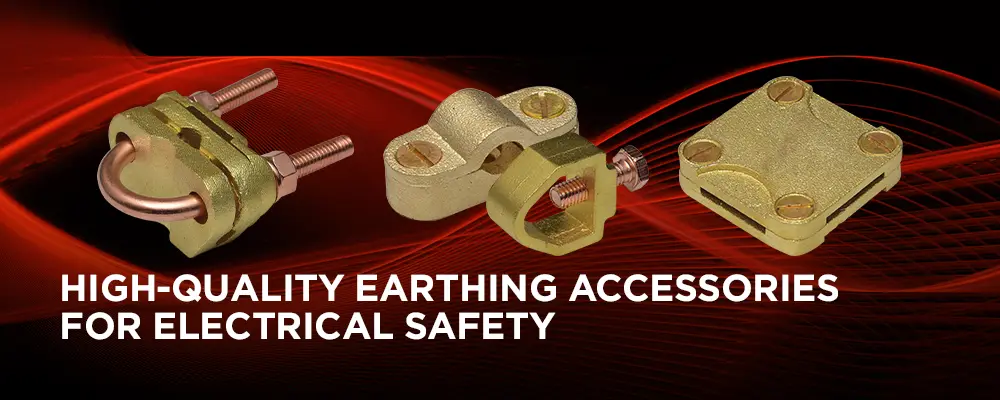
Clamps are used to attach the conductor or earthing wire to the grounding rod. They ensure strong mechanical and electrical connection.

Couplers

Couplers are used when rods need to be extended deeper into the soil. They join two copper bonded ground rods together securely.

Driving Heads

Driving heads protect the rod’s threaded end from damage during hammering.

Earthing Strips and Wires

Copper strips or wires are used to connect the grounding rod to the electrical system.

Inspection Pits

These pits protect the installed rod and allow future testing and maintenance.

Clamp Connectors

These connectors secure the grounding conductor to the rod and maintain a stable path for current flow.

Using the correct earthing accessories improves installation efficiency, ensures proper electrical grounding, and prevents premature system failure. Quality components also ensure compliance with safety standards. Accessories must match the earthing installation guide provided by electrical engineers or suppliers to maintain system accuracy and reliability.

Copper Bonded Ground Rod Installation Guide

Proper installation plays a vital role in the performance of a copper bonded ground rod. A well-executed installation ensures that fault currents are safely dissipated and the grounding system remains functional for years. Below is a simplified earthing installation guide that outlines the key steps.

Site Assessment

Evaluate soil resistivity, moisture levels, and location. Soil with high moisture content provides better conductivity.

Selecting Rod Length and Accessories

Choose the rod size based on copper bonded rod specifications and installation depth. Gather necessary earthing accessories such as clamps, couplers, and driving heads.

Preparing the Installation Area

Mark the installation point and clear the surrounding area. Ensure safe working space for tools and equipment.

Driving the Rod

Use a hammer or mechanical driver to insert the rod vertically into the soil. If deeper installation is required, use couplers to connect additional rods.

Connecting the Earthing Conductor

Attach the conductor using a clamp. Ensure that the connection is secure and corrosion-resistant.

Testing the Ground Resistance

Measure the earth resistance using a certified testing device. If resistance is high, additional rods may be installed in parallel.

Securing the Installation

Place an inspection pit around the rod for protection and maintenance access.

Following the correct steps ensures that the copper bonded earth rod performs efficiently and provides long-term electrical safety.

Advantages of Copper Bonded Earth Rods Over Alternatives

Copper bonded rods offer several benefits compared to other grounding options.

High Corrosion Resistance

The thick copper layer protects the steel core from corrosion and extends the rod’s life.

Cost-Effective

Compared to solid copper rods, copper bonded earth rods are more economical while offering similar performance.

Strong Mechanical Strength

The steel core provides high tensile strength, making the rod suitable for deep installation.

Better Conductivity

Copper coating ensures smooth current dissipation during faults.

Long-Term Stability

The molecular bonding between copper and steel ensures durability even in challenging soil conditions.

These advantages make copper bonded ground rods a reliable and trusted solution for grounding systems.

Applications of Copper Bonded Earth Rods in Industries

Copper bonded earth rods are widely used across industries that require dependable electrical grounding.

Power Generation & Distribution

Used in substations, power plants, and distribution networks.

Telecom Infrastructure

Essential for grounding telecom towers and communication equipment.

Industrial Plants

Used for machinery grounding and protection against electrical faults.

Commercial Buildings

Ensure safety for lighting systems, HVAC units, and electrical panels.

Renewable Energy

Important for grounding solar and wind power installations.

Their versatility makes copper bonded rods suitable for almost every type of infrastructure project.

Choosing the Right Supplier for Copper Bonded Earth Rods

Quality grounding begins with choosing the right supplier. A dependable supplier ensures consistent copper thickness, strong bonding, proper dimensions, and tested performance.

When selecting a supplier, evaluate:

  • Manufacturing quality
  • Copper bonded rod specifications
  • Available earthing accessories
  • Compliance with industry standards
  • Customer support and technical assistance

Atlas Metal, known for its precision engineering, offers high-quality grounding components designed for long-lasting performance.

Conclusion

Copper bonded earth rods are essential components for safe electrical grounding systems. They offer durability, reliability, and protection across all types of installations. Understanding specifications, choosing the right accessories, and following a proper installation guide ensures long-term safety and efficiency. By selecting a trusted supplier and using certified components, you can build a grounding system that performs reliably for years.

FAQs

Galvanized rods offer basic corrosion resistance but may not last as long as copper bonded rods.

It is used to connect electrical systems to the earth for fault dissipation.

Chemical earthing uses compounds to maintain low resistance.

Lower resistance ensures better current dissipation.

They provide long-lasting grounding with minimal upkeep.

Yes, grounding helps discharge lightning energy safely.

It improves soil conductivity around rods.

Traditional methods use salt and charcoal, but modern materials are preferred.

Categories Earthing Accessories

How to choose earthing accessories for your electrical system

How To Choose Earthing Accessories From A Leading Earthing Accessories Manufacturer In India

As a leading earthing accessories manufacturer in Jamnagar, India, Atlas Metal places utmost importance on the safety aspect of electrical systems. So, in this blog post, we will explore the importance of choosing the right earthing accessories for enhanced safety and discuss key considerations to help you make informed decisions.

Earthing is a critical aspect of electrical systems, providing a safe path for the dissipation of electrical faults and ensuring the protection of both people and equipment. To establish an effective earthing system, it is crucial to select the right earthing accessories. Various kinds of earthing accessories are used in electrical systems depending on the application, so let us begin by looking at the types of earthing accessories.

Types of Earthing Accessories

Copper Bonded Earth Rods and Fittings

Copper bonded earth rods offer excellent electrical conductivity and corrosion resistance. They are widely used in various grounding applications.

Solid Copper Rod (Externally Threaded)

Solid copper rods are highly conductive and durable, making them ideal for reliable grounding systems.

Solid Copper Earth Rods (Internally Threaded)

Internally threaded copper rods ensure secure connections and are used in grounding systems requiring high conductivity.

Hot Dip Galvanised Steel Earth Rods

These rods provide corrosion resistance and effective grounding in outdoor and industrial environments.

Driving Spikes

Driving spikes are essential for driving earth rods into the ground, ensuring they are securely anchored.

Internal Coupling Dowel

Internal coupling dowels are used to extend the length of earth rods by securely coupling them together.

Driving Head

Driving heads protect the top of the earth rod during installation and ensure effective driving into the ground.

Driving Bolt

Driving bolts are used in conjunction with driving heads and spikes to install earth rods securely.

Coupling

Threaded couplings are used to connect multiple lengths of earth rods, ensuring continuity and strength.

Multiple Point Terminal

Multiple point terminals are used to connect multiple conductors to a single earthing point, enhancing grounding system efficiency.

Air Rod Terminal Base

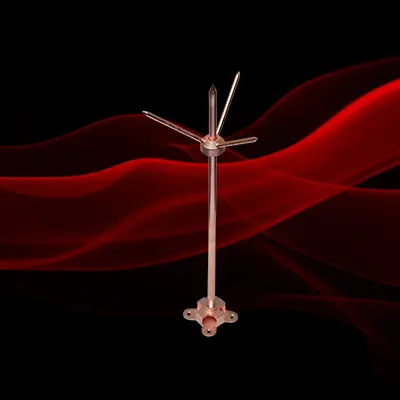
Air rod terminal bases are used to securely mount air rods for lightning protection systems.

U Bolt Rod Clamps Type E

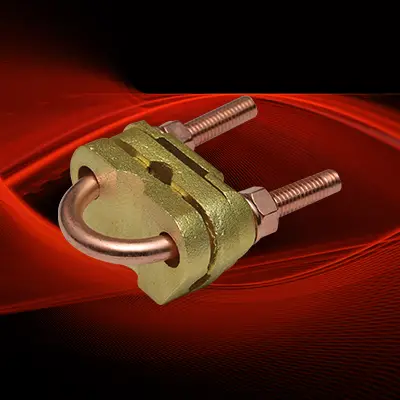
U bolt rod clamps are used to secure earthing rods to various structures or conductors.

Rod to Cable Lug Clamps B

These clamps provide a secure connection between earthing rods and cable lugs, ensuring effective grounding.

Rod To Cable Clamps Type GUV

These clamps are used to connect earthing rods to cables, providing a robust grounding solution.

U Bolt For Rigid Pipe & Cable (Type PUB)

U bolts for rigid pipe and cable are used to secure pipes and cables to grounding systems.

Rod To Tape Clamp Type A/p>

Rod to tape clamps are used to connect earthing rods to grounding tapes.

Rod To Cable Clamp (KUV)

KUV clamps provide secure connections between earthing rods and cables.

Rod To Cable Clamps (SCE)

SCE clamps are used to connect earthing rods to cables for effective grounding.

Split Connector Clamps

Split connector clamps are used to join two conductors together securely.

Rod to Tape Coupling

These couplings are used to connect grounding rods to grounding tapes.

Re Bar Clamp

Re bar clamps are used to connect earthing systems to rebar in concrete structures.

Clamping Two Cables to Flat Bar

This accessory is used to securely clamp two cables to a flat bar.

Cable to Square Joint

Cable to square joints provide secure connections for square conductors in grounding systems.

Cable Tee Clamp

Cable tee clamps are used to join cables in a tee configuration for grounding systems.

Heavy Duty Conductor Saddle

These saddles are used to secure heavy-duty conductors in grounding systems.

DC Tape Clips

DC tape clips are used to secure grounding tapes in place.

Square Tape Clamps

Square tape clamps provide secure connections for square grounding tapes.

Plate Test Clamp

Plate test clamps are used for testing grounding plates in earthing systems.

Selection Criteria for Earthing Accessories

While choosing earthing accessories, consider the following criteria for optimal performance:

Electrical system specifications

Electrical system specifications include factors like voltage rating, fault current level, conductor size and short-circuit rating. By considering these specifications, you can select suitable earthing accessories for safe and reliable operations.

Environmental factors

Different environments present various challenges for earthing systems. Factors like soil composition, moisture levels, and corrosive substances can impact the performance and durability of earthing accessories. It is essential to assess the environmental conditions at your site to choose accessories that are suitable for the specific environment and can withstand potential corrosive elements.

Step-by-Step Installation Procedure for Earthing Accessories

Ensuring a proper installation of earthing accessories guarantees a proper connection with the cable joints and leads to enhanced safety. Below are the steps for the effective installation of earthing accessories.

Step 1: Safety Precautions

Before starting the installation, ensure that you are wearing appropriate personal protective equipment (PPE) such as gloves and safety glasses. Make sure the area is clear of any potential hazards.

Step 2: Site Assessment

Evaluate the location where the earthing accessories will be installed. Consider factors such as soil conditions, proximity to electrical systems, and compliance with local regulations and standards.

Step 3: Determine the Number and Size of Earthing Accessories

Based on the electrical system requirements and the soil resistivity, determine the appropriate number and size of earthing accessories needed for the installation.

Step 4: Dig Trenches

Use digging tools such as shovels, spades, or an excavator to dig trenches in the designated area. The trenches should be deep enough to accommodate the length of the earthing accessories and allow for proper burial.

Step 5: Install Earthing Accessories

Place the earthing accessories into the trenches, ensuring they are aligned correctly and have good contact with the soil. Use a hammer or mallet to drive the rods or bars firmly into the ground until they reach the desired depth.

Step 6: Connect Earthing Accessories

Attach earthing cable clamps and connectors to securely connect the cable joints and earthing accessories to the grounding system and other grounding components. Follow the manufacturer’s instructions for proper installation.

Step 7: Test the Grounding System

Once the earthing accessories are installed and connected, use testing equipment such as a multimeter or ground resistance tester to verify the effectiveness of the grounding system. Ensure that the resistance readings meet the required standards.

Step 8: Backfill Trenches

Fill the trenches with suitable backfill material, such as sand or gravel, to provide stability and support to the earthing accessories. Compact the backfill material to minimise settling.

Step 9: Grounding Compound Application

Apply a conductive grounding compound, such as bentonite or graphite, around the earthing accessories to enhance the conductivity of the soil and improve the performance of the grounding system. Follow the manufacturer’s guidelines for application.

Step 10: Final Inspection

Conduct a final inspection to ensure that the installation meets all safety and regulatory requirements. Check for any loose connections, proper bonding, and adequate grounding.

It is important to note that these installation steps are provided as a general guide. Always consult with a qualified electrician or grounding specialist and adhere to local regulations and standards for specific instructions and requirements regarding earthing accessories installations.

Safety Precautions to Keep in Mind While Installing Earthing Accessories

When installing earthing accessories, it is crucial to follow safety precautions to minimise the risk of accidents or injuries. Here are some of the important safety measures to consider:

Site Inspection

Thoroughly inspect the installation site for any potential hazards, such as underground utilities, unstable ground, or overhead power lines. Take appropriate measures to mitigate these risks.

Electrical Safety

Prior to installation, ensure that the electrical system is turned off and properly isolated to prevent accidental contact with live wires. Follow lockout/tagout procedures if necessary.

Personal Protective Equipment (PPE)

Wear appropriate PPE, including safety gloves, safety glasses, and appropriate clothing, to protect against potential hazards such as sharp objects, electrical shocks, or flying debris.

Training and Expertise

Only qualified personnel with knowledge and experience in earthing system installation should perform the task. If you are not trained or experienced in this area, seek assistance from a qualified electrician or grounding specialist.

Equipment Handling

Handle tools and equipment with care, following the manufacturer’s instructions and guidelines. Inspect tools for any damage or defects before use, and replace or repair them if necessary.

Digging Safety

When digging trenches for burying the earthing accessories, be cautious of underground utilities such as gas lines, water pipes, or communication cables. Use appropriate digging tools and techniques to avoid damaging these utilities.

Grounding System Testing

Use appropriate testing equipment and follow safe practices when testing the grounding system. Avoid contact with live wires and follow established testing procedures.

Be Prepared For An Emergency

Have a plan in place for emergencies, including access to first aid kits, fire extinguishers, and emergency contact numbers. Ensure that everyone is aware of emergency procedures.

Compliance With Regulations

Adhere to local regulations, codes, and standards related to earthing system installation. Familiarise yourself with any specific requirements or permits needed for the project.

Maintenance and Troubleshooting

Maintenance and troubleshooting are crucial for the effective and reliable operation of earthing systems. To ensure the optimal maintenance of earthing accessories, it is essential to conduct regular inspections, apply anti-corrosion coatings, and perform periodic tests on the grounding system. These activities help uphold the integrity and reliability of the earthing accessories over time.

In troubleshooting, potential grounding failures should be investigated, and solutions may involve repairing or replacing faulty components or cable clamps. High ground resistance can be addressed by improving soil conductivity or modifying the grounding system design. Additionally, checking the cable and grounding connections and seeking professional assistance when needed are essential steps to ensure the integrity and safety of the earthing system.

Conclusion

Choosing the right earthing accessories is vital for establishing a safe and reliable earthing system. By considering factors such as environmental conditions, earthing materials, sizing, capacity, and compliance with standards, you can enhance safety, protect electrical installations, and minimise the risk of electrical hazards. Invest in reliable earthing accessories to build an effective earthing infrastructure, ensuring safe cable joints and maximum safety.

With 25 years of experience in the industry, Atlas Metal is renowned for manufacturing quality electrical safety solutions, providing secure cable joints. By integrating Atlas Metal’s earthing accessories into electrical installations, you can stay assured of the safety and reliability of your electrical systems.

FAQs

Brass pipe fittings are used to connect, control, terminate, or change the direction of pipes in plumbing, gas, oil, steam, HVAC, and industrial systems.

Brass pipe fittings are preferred because they are stronger, more durable, heat-resistant, corrosion-resistant, and suitable for high-pressure applications.

Yes, brass pipe fittings are suitable for hot water systems as they can withstand high temperatures without warping or weakening.

Brass pipe fittings are used in plumbing, construction, gas lines, HVAC, automotive, industrial machinery, marine, and water supply systems.

Yes, brass pipe fittings offer good corrosion resistance, making them suitable for water systems, outdoor applications, and harsh environments.

Yes, brass pipe fittings can be customized in different shapes, sizes, and designs to meet specific project or industrial requirements.

Yes, Atlas Metal Industries manufactures high-quality brass pipe fittings under its ATFIT range for various industrial and plumbing applications.

Ultimate guide to electrical earthing – Atlas Metal Industries
Categories Earthing Accessories

Ultimate Guide to Electrical Earthing: Methods, Components & Accessories

Ultimate Guide to Electrical Earthing: Methods, Components & Essential Accessories

Electrical earthing is a critical aspect of ensuring electrical safety in homes, industries, and commercial spaces. It helps protect people and equipment from electric shocks by providing a safe path for fault currents to dissipate into the ground. Understanding electrical earthing methods, components, and accessories is essential for maintaining a safe and efficient electrical system. This comprehensive guide will help you grasp the essentials of electrical earthing and highlight the importance of using quality accessories for reliable performance.

1. What is Electrical Earthing?

Electrical earthing refers to the process of connecting electrical installations to the earth’s conductive surface to prevent electric shocks, fires, and equipment damage. It diverts excess electrical charges safely into the ground, minimizing hazards.

The primary objectives of electrical earthing include:

  • Ensuring safety by preventing electric shocks.
  • Providing a stable voltage reference point.
  • Protecting electrical equipment from surges and lightning strikes.

A well-designed earthing system reduces the risk of electrical hazards and enhances the overall performance of the electrical network.

2. Types of Electrical Earthing Methods

There are several earthing methods used to enhance electrical safety tips and protect installations from potential risks. Common earthing types include:

1. Plate Earthing:

  • Utilizes copper or galvanized iron plates buried in the ground to disperse fault currents safely.

2. Pipe Earthing:

  • Involves inserting a galvanized steel pipe vertically into moist soil to provide effective grounding.

3. Rod Earthing:

  • Employs an earthing rod made of copper or steel driven into the ground to ensure effective fault current dissipation.

4. Strip or Wire Earthing:

  • Utilizes copper or galvanized iron wires connected directly to the earth electrode to distribute current safely.

5. Earthing Pole Systems:

  • Commonly used in electrical installations to provide a secure grounding system for transmission lines and industrial setups.

Choosing the right types of earthing systems is crucial for ensuring effective electrical grounding and enhancing overall electrical safety tips.

3. Key Components of an Earthing System

A reliable earthing system comprises several vital components that work together to ensure efficient grounding. These include:

1. Earth Electrode:

  • Typically made of copper, steel, or galvanized iron, these electrodes help discharge fault currents into the soil.

2. Earthing Rod:

  • An essential component used to create direct contact with the earth’s surface for effective grounding.

3. Earthing Wire or Strip:

  • Copper or galvanized iron wires that connect electrical installations to the earth electrode.

4. Earthing Pit and Chamber:

  • A designated area where the electrode is installed, often filled with conductive soil or compounds for enhanced performance.

5. Earthing Pole:

  • A structural element designed to provide a stable grounding system in larger installations.

Each component plays a vital role in maintaining a secure and efficient earthing system.

4. Essential Earthing Accessories for a Reliable System

To ensure durability and efficiency in your electrical earthing setup, using high-quality accessories is essential. Key accessories include:

1. Earth Clamps:

  • Ensure secure connections between conductors and earth rods.

2. Lightning Arresters:

  • Protect electrical systems from high-voltage surges caused by lightning strikes.

3. Inspection Pits:

  • Facilitate easy monitoring and maintenance of the earthing rod and electrode.

4. Earth Electrodes:

  • Provide a stable grounding point for electrical installations.

5. Earthing Conductors:

  • Copper or aluminum conductors that ensure effective fault current distribution.

By investing in durable, certified accessories from trusted suppliers like Atlas Metal Industries, you can achieve a safer and more efficient earthing system.

5. Common Mistakes in Electrical Earthing & How to Avoid Them

Mistakes during electrical earthing installation can compromise safety and lead to costly repairs. Common errors include:

  • Incorrect Electrode Placement: Placing the earthing rod in dry or rocky soil reduces conductivity. Ensure proper soil conditions for enhanced grounding.
  • Inadequate Depth of Rod Installation: Insufficient depth limits the electrode’s ability to dissipate fault currents effectively. Follow recommended depth guidelines for best results.
  • Neglecting Corrosion Protection: Corrosion can weaken earthing rods and electrodes over time. Using corrosion-resistant materials ensures durability.
  • Ignoring Routine Maintenance: Regular inspections are crucial for maintaining a functional earthing system. Periodic testing ensures optimal performance.

Avoiding these mistakes enhances electrical safety and improves system reliability.

6. Why High-Quality Earthing Accessories Are Essential?

Choosing premium earthing accessories is critical for achieving safe and long-lasting grounding systems. Reliable components enhance electrical conductivity, minimize energy loss, and reduce maintenance efforts.

Atlas Metal Industries, a leader in electrical components manufacturing, offers top-quality accessories that comply with international safety standards. Their precision-engineered solutions ensure reliable electrical earthing performance in residential, commercial, and industrial setups.

Conclusion

Proper electrical earthing is essential for ensuring the safety and stability of your electrical installations. By selecting appropriate earthing methods, investing in durable earthing accessories, and avoiding common installation mistakes, you can maintain a safe and efficient electrical system. Looking for top-quality electrical earthing accessories? Contact Atlas Metal Industries for the best solutions!

For inquiries, reach us at sales@atlasmetalind.com or call us at +91-288 2730 944.

FAQs

Routine inspection every 6 to 12 months is advisable to ensure optimal performance and maintain electrical safety tips.

Yes, copper earthing rods offer superior conductivity and corrosion resistance, making them a preferred choice for long-term performance.

An earthing pole ensures stable grounding for high-voltage equipment, protecting against electrical faults and improving safety.

Look for certified products with corrosion-resistant coatings and proper dimensions to meet industry standards.

Atlas Metal Industries provides top-quality earthing rods, clamps, conductors, and other accessories that ensure safe and effective grounding systems.

How to Choose the Best Earthing Accessories in India
Categories Earthing Accessories

How to Choose the Best Earthing Accessories in India for Safe Electrical Systems

Best earthing accessories in India

Earthing is a critical component of any electrical system, ensuring safety by preventing electrical shocks, equipment damage, and fire hazards. Proper earthing accessories play a crucial role in establishing a reliable grounding system. Choosing the right earthing accessories in India requires careful consideration of quality, material, and manufacturer reliability. In this blog, we will discuss the role of earthing, essential earthing accessories, and how to select the best ones for your needs.

Understanding Earthing & Its Role in Electrical Safety

Earthing, also known as grounding, is the process of connecting electrical installations to the earth to disperse fault currents and prevent electrical hazards. It safeguards both people and equipment by ensuring that excess electricity flows safely into the ground rather than causing damage.

Why is Earthing Important?

  • Prevents Electric Shocks: Provides a safe path for leakage currents.
  • Protects Electrical Equipment: Reduces damage caused by voltage surges.
  • Ensures System Stability: Maintains consistent voltage levels.
  • Prevents Fire Hazards: Avoids overheating and short circuits.

Proper selection and installation of earthing accessories are essential for ensuring optimal system performance and long-term safety.

Key Earthing Accessories & Their Applications

Various earthing accessories are used to create an effective grounding system. Below are some essential components and their applications:

Copper Earthing Plate & Copper Plate for Earthing

Copper earthing plates are commonly used for effective grounding due to their high conductivity and corrosion resistance. These plates ensure efficient dissipation of fault currents and are widely used in industrial and residential applications.

Applications:

  • Electrical substations
  • Industrial plants
  • Commercial buildings

Solid Earthing Rod

Solid earthing rods provide deep grounding and enhance system safety. Made from copper or galvanized steel, these rods ensure strong electrical conductivity.

Applications:

  • Transmission and distribution networks
  • Communication towers
  • Renewable energy installations

SS Cable

Stainless steel (SS) cables are used in earthing systems for their durability and resistance to harsh environmental conditions.

Applications:

  • Marine environments
  • Chemical industries
  • Outdoor electrical setups

Selecting high-quality earthing accessories ensures better performance, longevity, and safety of electrical installations.

How to Select the Right Earthing Accessories in India

Choosing the best earthing accessories requires considering several factors, including material quality, durability, and compliance with safety standards.

1. Material Quality

  • Copper: Offers excellent conductivity and corrosion resistance.
  • Galvanized Steel: More affordable but prone to corrosion over time.
  • Stainless Steel: Highly durable and resistant to environmental factors.

2. Compliance with Standards

Ensure that the earthing accessories comply with Indian and international safety standards like IS 3043 for earthing installations.

3. Manufacturer’s Reputation

Buying from a reputed earthing accessories manufacturer in Jamnagar, India, like Atlas Metal Industries, guarantees quality and reliability.

4. Application-Specific Selection

Consider the installation environment, load capacity, and expected system performance when selecting accessories.

By considering these factors, you can ensure the safety and efficiency of your electrical system.

Leading Earthing Accessories Manufacturer in Jamnagar, India

When it comes to quality earthing accessories, Atlas Metal Industries stands out as a trusted name in India. With decades of expertise, they manufacture high-quality earthing parts, including copper earthing plates, solid earthing rods, and SS cables.

Why Choose Atlas Metal Industries?

  • Premium-Quality Products: Manufactured using superior materials.
  • Wide Product Range: Offers a variety of earthing accessories.
  • Compliance with Standards: Ensures safety and durability.
  • Customer Satisfaction: Known for reliability and excellent customer service.

Atlas Metal Industries continues to set industry benchmarks with its innovative and durable grounding solutions.

Conclusion

Selecting the right earthing accessories is crucial for maintaining safe and efficient electrical systems. From copper earthing plates to solid earthing rods and SS cables, each component plays a vital role in ensuring system stability and protection. Choosing reliable manufacturers like Atlas Metal Industries guarantees high-quality products that meet safety standards.

Essential Earthing Accessories
Categories Earthing Accessories

Essential Earthing Accessories: Types, Uses, and Benefits for Safe Electrical Systems

Essential Earthing Accessories in india

Introduction

In any electrical system, safety is a non-negotiable priority. Earthing accessories are vital for maintaining safety, efficiency, and reliability in residential, commercial, and industrial electrical setups. These components ensure that fault currents and electrical surges are directed into the ground, minimizing hazards and protecting valuable equipment.

This blog provides a detailed guide on the importance of earthing accessories, exploring their types, applications, benefits, and tips for selecting the right products. Whether you’re an engineer or a homeowner, understanding the role of high-quality earthing products is essential for ensuring electrical safety.

1. What Are Earthing Accessories?

Earthing accessories refer to the components used to establish an effective grounding system, essential for protecting electrical installations from faults and surges. These accessories facilitate the safe dissipation of excess electrical current into the ground.

Why Are They Necessary?

  • Safety Assurance: Protects individuals from electric shocks.
  • Equipment Protection: Prevents damage to electrical devices during surges.
  • System Efficiency: Reduces the risk of operational failures.
  • Regulatory Compliance: Meets safety standards and legal requirements.

Trusted manufacturers like Atlas Metal Industries provide high-quality earthing accessories tailored to various applications, ensuring durability and optimal performance.

2. Common Types of Earthing Accessories

1. Earthing Rods

  • Solid Copper Earthing Rod: Renowned for its conductivity and corrosion resistance, these rods are ideal for long-term installations.
  • Copper Earthing Rod: A more economical option, widely used in commercial and industrial applications.
  • Uses: These rods safely transfer electrical energy to the ground.

2. Earthing Rod Clamps

  • Function: Securely connect earthing rods to conductors, ensuring robust grounding.
  • Benefits: Easy to install, durable, and resistant to environmental damage.

3. Earth Plates

  • Purpose: Provide a larger surface area for grounding in areas with high soil resistivity.
  • Material: Typically made of copper or galvanized steel.

4. Lightning Arrestors

  • Role: Protect structures and systems from lightning strikes.
  • Installation: Positioned on rooftops and connected to grounding systems.

5. Earthing Strips and Wires

  • Material Options: Copper, galvanized iron, and aluminum.
  • Uses: Ensure effective conductivity between earthing components.

For a complete range of types of earthing components, consult a reliable supplier like Atlas Metal Industries, known for precision-engineered products.

3. Uses and Applications

Residential Applications

  • Grounding for household electrical systems to prevent electric shocks.
  • Protects appliances like refrigerators, washing machines, and air conditioners.

Commercial Applications

  • Ensures safety in office buildings, malls, and data centers.
  • Essential for maintaining the reliability of HVAC and elevator systems.

Industrial Applications

  • Critical for factories and plants where heavy machinery operates.
  • Ensures safety during high-power consumption and reduces downtime due to electrical faults.

The demand for high-quality earthing products, such as copper earthing rods, remains high across all these sectors, ensuring safety and compliance.

4. Key Benefits of Using Quality Earthing Accessories

1. Enhanced Safety

By ensuring effective grounding, earthing accessories reduce the risk of electric shocks and fires.

2. Durability and Reliability

Products like solid copper earthing rods resist corrosion and perform reliably even in challenging environments.

3. Cost-Effectiveness

Though the initial investment in high-quality accessories might be higher, the long-term benefits include reduced maintenance costs and fewer system failures.

4. Regulatory Compliance

Many countries mandate stringent grounding standards. Using premium earthing accessories ensures adherence to these regulations.

5. Better Performance

Efficient grounding systems contribute to smoother operations of electrical setups, minimizing disruptions.

5. How to Choose the Right Earthing Accessories

Factors to Consider

  1. Material Quality: Opt for durable materials like brass, copper, or galvanized steel.
  2. Type of Installation: Different projects require specific accessories such as earthing rod clamps or earth plates.
  3. Environmental Conditions: Assess factors like soil resistivity and moisture levels.
  4. Price Transparency: Compare options, but don’t compromise quality for a lower copper earthing rod price.
  5. Manufacturer Reputation: Choose trusted brands like Atlas Metal Industries for reliability.

Selecting the right earthing accessories is crucial to ensure system longevity and optimal safety.

Conclusion

Earthing accessories are indispensable for maintaining the safety and efficiency of electrical systems. By investing in high-quality products such as solid copper earthing rods and robust earthing rod clamps, you not only protect lives and equipment but also ensure compliance with safety standards.

Trust Atlas Metal Industries for precision-engineered solutions designed to meet your grounding needs. With a diverse range of earthing products, they offer unmatched quality and performance.

Looking for high-quality earthing accessories? Contact Atlas Metal Industries today to explore a wide range of reliable and durable earthing solutions. Let us help you ensure maximum safety and efficiency in your electrical systems.

FAQs

Common types include copper earthing rods, earthing rod clamps, earth plates, lightning arrestors, and earthing strips.


With over 25 years of experience, Atlas Metal Industries provides high-quality, tailored metal solutions with a focus on precision and customer satisfaction.

Regular inspections, at least annually or after significant electrical events, ensure the system's safety and functionality.


Yes, substandard accessories can lead to ineffective grounding, increasing the risk of equipment damage and system failures.

Prices vary based on material quality and specifications. Always prioritize quality over cost for safety.

Yes, solid copper earthing rods offer superior durability, conductivity, and corrosion resistance.

They ensure secure connections between rods and conductors, maintaining the integrity of the grounding system