

|
Getting your Trinity Audio player ready... |
Electrical systems today require safe grounding mechanisms to protect buildings, equipment, and people. One of the most reliable components used in grounding systems is the copper bonded earth rod. These rods provide strong, long-lasting protection against electrical faults by offering a low-resistance path for fault currents. As power distribution networks continue to expand in industrial, commercial, and residential environments, the demand for high-quality grounding components has also increased.
Copper bonded rods are designed to provide dependable electrical grounding even in harsh conditions. Their construction, corrosion resistance, and cost-effectiveness make them a preferred choice for engineers, electricians, and infrastructure developers. When paired with the right earthing accessories, these rods enhance the efficiency of the grounding system and support long-term electrical safety.
This blog explains everything you need to know from what a copper bonded rod is to its core specifications, uses, installation requirements, and selection guidelines. It also highlights the importance of choosing the right supplier and following a systematic earthing installation guide to ensure complete safety and performance.
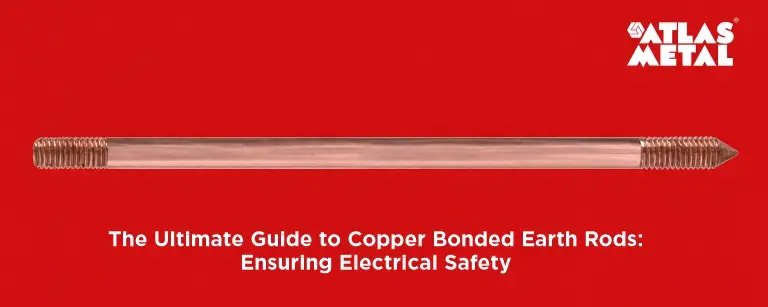
A copper bonded earth rod is a grounding electrode used to safely disperse fault currents into the earth. It consists of a steel core that is molecularly bonded with a thick layer of copper on the outer surface. This combination provides strength from the steel core and corrosion resistance from the copper coating. Because grounding systems often operate in soil environments with varying moisture and chemical levels, durability is key, and copper bonded rods offer a dependable solution.
The primary role of a copper bonded rod is to establish a secure connection between the electrical installation and the earth. This reduces the risk of equipment damage, fire hazards, and electrical shocks caused by faults. Copper bonded rods are widely used in industrial plants, commercial buildings, substations, telecom networks, and residential infrastructures.
Another reason for their popularity is the balance they offer between performance and cost. While solid copper rods can be expensive, a copper bonded ground rod delivers similar corrosion resistance at a more economical price. The copper layer remains securely bonded to the steel, allowing the rod to withstand bending, hammering, and installation pressure.
Copper bonded rods are available in different lengths, diameters, and coating thicknesses, depending on the grounding requirements. Their strength, corrosion resistance, and compatibility with common grounding methods make them an ideal choice for long-term electrical safety across various sectors.
Electrical grounding is one of the most critical aspects of any electrical system. It ensures that excess or fault current flows safely into the earth rather than into equipment or human contact. The grounding mechanism protects appliances, prevents electrical shock, and reduces the risk of fire caused by insulation failure or voltage surges.
Without proper grounding, systems can become unstable, especially during lightning strikes or equipment faults. The presence of ungrounded currents may damage sensitive machinery or disrupt operations in industrial environments. This makes grounding an essential safety practice for both low-voltage and high-voltage installations.
Copper bonded earth rods play an important role in achieving effective grounding. Their ability to conduct fault currents quickly and safely makes them essential components of grounding networks. When paired with the right earthing accessories, such as clamps and connectors, they create a complete path for current dissipation.
Modern buildings and infrastructure projects rely on proper grounding to comply with safety standards. Regulatory guidelines and engineering codes across industries emphasize the use of certified grounding products. Copper bonded ground rods meet these requirements by offering both durability and performance under diverse environmental conditions.
Grounding is not just a technical necessity; it is a protective measure that ensures safety, stability, and continuity in electrical operations. Using high-quality components and following a detailed earthing installation guide ensures proper functioning and long-term reliability.
Understanding copper bonded rod specifications is important for selecting the right product for grounding systems. These specifications determine the rod’s durability, conductivity, and compatibility with soil conditions.
Copper Coating Thickness
Copper bonded rods are coated with copper through a molecular bonding process. The thickness usually ranges between 10 microns and 250 microns. Higher thickness provides better corrosion resistance.
Steel Core Quality
The steel core provides mechanical strength to withstand hammering during installation. High-grade low-carbon steel is commonly used.
Diameter and Length
Common diameters include 14 mm, 16 mm, 20 mm, and 25 mm. Lengths typically vary from 1 meter to 3 meters, depending on grounding requirements.
Tensile Strength
Copper bonded earth rods must have adequate tensile strength to withstand installation force. A typical value ranges above 600 N/mm².
Conductivity
The copper layer ensures smooth conductivity for fault currents. Better conductivity means faster current dissipation and higher safety.
Threading Options
Rods may be available in threaded or unthreaded formats. Threaded rods support easy connection with couplers and clamps.
When evaluating copper bonded rod specifications, it is important to ensure that the product meets international standards. High-quality rods maintain consistent dimensions, correct copper thickness, and adequate mechanical strength. A reliable supplier ensures that the rods are manufactured with precision and undergo quality inspection before shipment.
Ground Rod Clamps
Clamps are used to attach the conductor or earthing wire to the grounding rod. They ensure strong mechanical and electrical connection.
Couplers
Couplers are used when rods need to be extended deeper into the soil. They join two copper bonded ground rods together securely.
Driving Heads
Driving heads protect the rod’s threaded end from damage during hammering.
Earthing Strips and Wires
Copper strips or wires are used to connect the grounding rod to the electrical system.
Inspection Pits
These pits protect the installed rod and allow future testing and maintenance.
Clamp Connectors
These connectors secure the grounding conductor to the rod and maintain a stable path for current flow.
Using the correct earthing accessories improves installation efficiency, ensures proper electrical grounding, and prevents premature system failure. Quality components also ensure compliance with safety standards. Accessories must match the earthing installation guide provided by electrical engineers or suppliers to maintain system accuracy and reliability.
Proper installation plays a vital role in the performance of a copper bonded ground rod. A well-executed installation ensures that fault currents are safely dissipated and the grounding system remains functional for years. Below is a simplified earthing installation guide that outlines the key steps.
Site Assessment
Evaluate soil resistivity, moisture levels, and location. Soil with high moisture content provides better conductivity.
Selecting Rod Length and Accessories
Choose the rod size based on copper bonded rod specifications and installation depth. Gather necessary earthing accessories such as clamps, couplers, and driving heads.
Preparing the Installation Area
Mark the installation point and clear the surrounding area. Ensure safe working space for tools and equipment.
Driving the Rod
Use a hammer or mechanical driver to insert the rod vertically into the soil. If deeper installation is required, use couplers to connect additional rods.
Connecting the Earthing Conductor
Attach the conductor using a clamp. Ensure that the connection is secure and corrosion-resistant.
Testing the Ground Resistance
Measure the earth resistance using a certified testing device. If resistance is high, additional rods may be installed in parallel.
Securing the Installation
Place an inspection pit around the rod for protection and maintenance access.
Following the correct steps ensures that the copper bonded earth rod performs efficiently and provides long-term electrical safety.
Copper bonded rods offer several benefits compared to other grounding options.
High Corrosion Resistance
The thick copper layer protects the steel core from corrosion and extends the rod’s life.
Cost-Effective
Compared to solid copper rods, copper bonded earth rods are more economical while offering similar performance.
Strong Mechanical Strength
The steel core provides high tensile strength, making the rod suitable for deep installation.
Better Conductivity
Copper coating ensures smooth current dissipation during faults.
Long-Term Stability
The molecular bonding between copper and steel ensures durability even in challenging soil conditions.
These advantages make copper bonded ground rods a reliable and trusted solution for grounding systems.
Copper bonded earth rods are widely used across industries that require dependable electrical grounding.
Power Generation & Distribution
Used in substations, power plants, and distribution networks.
Telecom Infrastructure
Essential for grounding telecom towers and communication equipment.
Industrial Plants
Used for machinery grounding and protection against electrical faults.
Commercial Buildings
Ensure safety for lighting systems, HVAC units, and electrical panels.
Renewable Energy
Important for grounding solar and wind power installations.
Their versatility makes copper bonded rods suitable for almost every type of infrastructure project.
Quality grounding begins with choosing the right supplier. A dependable supplier ensures consistent copper thickness, strong bonding, proper dimensions, and tested performance.
When selecting a supplier, evaluate:
- Manufacturing quality
- Copper bonded rod specifications
- Available earthing accessories
- Compliance with industry standards
- Customer support and technical assistance
Atlas Metal, known for its precision engineering, offers high-quality grounding components designed for long-lasting performance.
Copper bonded earth rods are essential components for safe electrical grounding systems. They offer durability, reliability, and protection across all types of installations. Understanding specifications, choosing the right accessories, and following a proper installation guide ensures long-term safety and efficiency. By selecting a trusted supplier and using certified components, you can build a grounding system that performs reliably for years.
Galvanized rods offer basic corrosion resistance but may not last as long as copper bonded rods.
It is used to connect electrical systems to the earth for fault dissipation.
Chemical earthing uses compounds to maintain low resistance.
Lower resistance ensures better current dissipation.
They provide long-lasting grounding with minimal upkeep.
Yes, grounding helps discharge lightning energy safely.
It improves soil conductivity around rods.
Traditional methods use salt and charcoal, but modern materials are preferred.