
Tag Archives: Cable gland installation guide

Categories Brass Components

How to Choose the Right PG Gland Size: From PG7 to PG48

Introduction – PG Thread Standards in Cable Glands

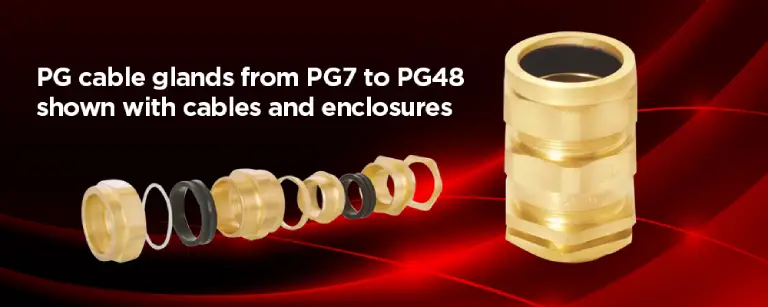
PG (Panzer-Gewinde) thread sizes are widely used in cable glands to ensure safe and sealed cable entries into electrical enclosures. Originating in Germany, PG threads are now a global standard in industries where cable sealing, strain relief, and mechanical protection are essential.

Choosing the right PG cable gland size is not just about fitting a cable through a hole—it’s about ensuring safety, efficiency, and compatibility with IP-rated systems. From PG7 to PG48, each gland size corresponds to a specific cable outer diameter (OD), and understanding this is crucial for selecting the right gland for your application.

In this comprehensive blog, we’ll decode the pg gland size chart, walk through the steps to choose the ideal size, and explore how these sizes apply to different cable glands types across industrial and commercial installations.

Understanding PG Sizes & Thread Dimensions

PG sizes range from PG7 (smallest) to PG48 (largest), each correlating to a unique thread diameter and suitable cable OD range. These thread sizes have specific pitch and diameter standards:

PG Size Thread Diameter (mm) Suitable Cable OD (mm)
PG7 12.5 3 – 6.5
PG9 15.2 4 – 8
PG11 18.6 5 – 10
PG13.5 20.4 6 – 12
PG16 22.5 10 – 14
PG21 28.3 13 – 18
PG29 37 18 – 25
PG36 47 22 – 32
PG42 54 32 – 38
PG48 59.3 37 – 44

Understanding these measurements helps users accurately apply the pg gland size chart in choosing glands that align with their cable specifications and enclosure entry requirements.

Key Factors to Consider When Selecting PG Glands

When choosing a PG cable gland, several key factors influence correct sizing and performance:

  1. Cable Outer Diameter (OD): The gland must match or slightly exceed the cable OD to ensure a tight, sealed fit.
  2. Enclosure Hole Size: The threaded part of the gland must match the panel or enclosure entry point.
  3. IP Rating: If you’re targeting IP54 PG cable gland or higher, the gland must include sealing elements like rubber inserts or O-rings.
  4. Material: Options include plastic, brass, and stainless steel. For industrial use, metal variants such as brass offer greater durability.
  5. Temperature Range: Select glands that tolerate your application’s environmental temperature.
  6. Strain Relief: The gland should provide secure strain relief to prevent cable damage.

Selecting a gland by cross-checking these factors with the pg gland size chart ensures that you avoid leaks, mechanical failure, and connection issues.

PG Size Selection Table

To simplify gland selection, here is a quick-reference pg gland size chart based on typical cable sizes:

Cable OD (mm) Recommended PG Size
3 – 6.5PG7
4 – 8PG9
5 – 10PG11
6 – 12PG13.5
10 – 14PG16
13 – 18PG21
18 – 25PG29
22 – 32PG36
32 – 38PG42
37 – 44PG48

This table is a practical guide for engineers and installers, ensuring a smooth match between cable size and gland type. Always verify with product datasheets for precise tolerance and material fit.

Common Applications by Size Range

Different cable glands types are used in varied settings, and specific PG sizes are ideal for particular applications:

  • PG7 to PG11: Used in control panels, automation systems, and sensor wiring. Ideal for low-voltage or signal cables.
  • PG13.5 to PG21: Common in HVAC units, small motors, and instrumentation setups.
  • PG29 to PG36: Applied in industrial machinery, conveyors, and power cabinets.
  • PG42 to PG48: Used in heavy-duty electrical equipment, energy plants, and marine enclosures where thick power cables are routed.

Understanding the appropriate size range helps select the right PG cable gland based on the current load, mechanical strain, and environmental sealing needs.

IP54 Considerations for Indoor & Outdoor Installations

An IP54 rating indicates that the cable gland is protected from dust and water splashes. To achieve this level of protection:

  • Use glands with sealing washers
  • Ensure the cable diameter matches the gland’s sealing range
  • Tighten the gland per manufacturer torque specifications
  • Select materials like brass or stainless steel for weather-exposed environments

PG7 and PG9 glands are commonly used in IP54-rated enclosures for lighting systems, control circuits, and automation panels. For outdoor or industrial applications, using brass PG glands can enhance sealing and lifespan.

Choosing the right PG gland with IP54 ensures system reliability in mildly wet or dusty environments—making it a key consideration in industrial cable gland types.

Step-by-Step Size Selection Guide

Here’s how to choose the right PG gland size, from start to finish:

  1. Measure Cable OD: Use a caliper or cable datasheet to determine the outer diameter.
  2. Refer to PG Chart: Use the pg gland size chart to identify the correct PG size range.
  3. Check Material Requirements: For industrial or outdoor setups, brass or stainless steel glands are ideal.
  4. Match Thread Size: Confirm that the gland fits the enclosure’s hole size and threading.
  5. Verify IP Rating: Look for IP54 or higher protection if required.
  6. Install Securely: Follow torque guidelines and use recommended sealing accessories.

Following this checklist ensures a long-lasting, secure cable entry and avoids installation errors.

Maintenance & Replacement Tips

Even the best industrial cable gland types require inspection and maintenance to ensure continued performance:

  • Periodically check gland tightness
  • Inspect rubber seals or inserts for wear or degradation
  • Replace glands if cracking, loosening, or corrosion appears
  • Keep a record of installation dates to plan replacements

Glands like PG7 or PG48 are often installed and forgotten. However, in high-vibration or outdoor conditions, routine maintenance helps avoid system failures. Replace the gland if any component seems compromised.

Conclusion

Choosing the correct PG cable gland ensures system safety, proper sealing, and long-lasting reliability. Whether you’re working with signal wiring in PG7 or routing heavy power lines with PG48, using the correct gland size prevents hazards and ensures compliance.

Explore Atlas Metal’s complete range of brass PG glands, built for durability and trusted across industries. Contact us today for quotes or guidance on selecting the right gland for your application.

FAQs

PG stands for Panzer-Gewinde, a German thread standard used for secure and sealed cable entry.

Measure the cable outer diameter and match it with the pg gland size chart for proper fit and sealing.

The right size ensures proper sealing, strain relief, and maintains the required IP rating.

Yes, PG glands are widely used in industrial panels, machinery, and legacy systems.

Yes, when correctly sized, sealed, and installed as per specifications.

PG7, PG9, PG11, PG13.5, PG16, and PG21 are commonly used across control and industrial applications.

Categories Cable Gland

How to Choose the Right Industrial Cable Glands for Maximum Efficiency and Safety

In industrial and commercial electrical installations, ensuring cable security and protection is essential for safety and performance. Cable glands play a critical role in maintaining cable integrity by providing secure connections, preventing moisture ingress, and minimizing strain. Choosing the right industrial cable glands ensures maximum efficiency, safety, and durability.

This comprehensive guide outlines the types of industrial cable glands, key selection factors, installation tips, and why Atlas Metal Industries Pvt Ltd is a trusted provider of high-quality cable glands for various applications.

Understanding the Role of Cable Glands in Industrial Applications

Cable glands are essential components that secure and protect cables entering electrical equipment. Their primary functions include:

  • Providing strain relief for cables to prevent damage
  • Sealing the cable entry point to maintain ingress protection
  • Ensuring cable integrity in hazardous or high-moisture environments

Industries such as manufacturing, construction, marine, and automation heavily rely on industrial cable glands to ensure electrical safety and system longevity.

Choosing the appropriate cable gland types ensures optimal performance in varied environmental conditions, making them indispensable in industrial setups.

Types of Industrial Cable Glands and Their Uses

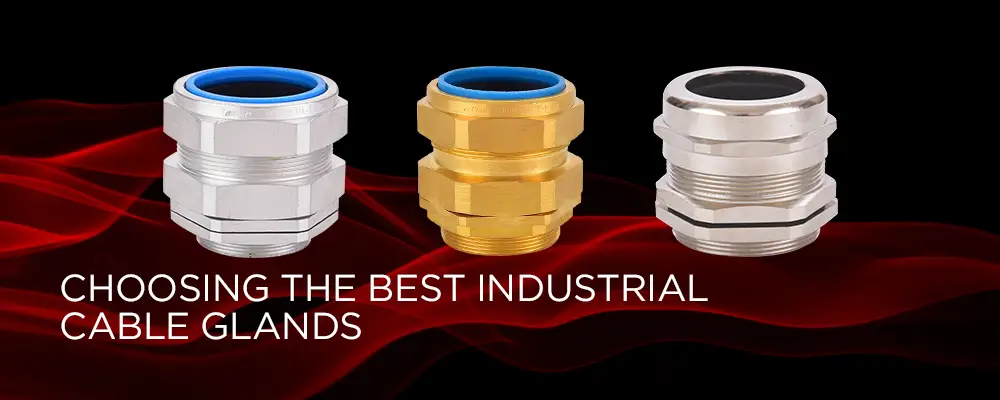
Various cable gland types are available to suit different industrial requirements. Common options include:

  1. A2 Cable Glands: Ideal for general industrial use, these glands provide robust sealing for non-armoured cables.
  2. A2 CXT Type Cable Glands: Designed for hazardous environments, these glands provide superior sealing and strain relief.
  3. IP68 Cable Glands: Offering maximum ingress protection, these glands are suitable for marine and outdoor applications.
  4. Brass Cable Glands: Known for corrosion resistance and strength, they are suitable for heavy-duty industrial use.
  5. Plastic Cable Glands: Lightweight and resistant to chemicals, ideal for indoor environments.

Choosing the right cable gland types ensures secure cable management in challenging industrial environments

Factors to Consider When Choosing a Cable Gland

Selecting the appropriate industrial cable glands requires careful evaluation of the following factors:

  1. Cable Size and Type: Refer to a cable gland chart size to match the gland size with your cable diameter for a proper fit.
  2. Environmental Conditions: Assess exposure to moisture, dust, chemicals, or extreme temperatures.
  3. Ingress Protection (IP) Rating: Choose glands with appropriate IP ratings (e.g., IP68 for high moisture resistance).
  4. Material Selection: Brass glands offer strength and durability, while plastic glands provide cost-effective solutions for less demanding conditions.
  5. Application Requirements: Identify if the installation demands flameproof or explosion-proof glands for enhanced safety.

By considering these aspects, you can select industrial cable glands that meet your operational needs.

Installation Best Practices for Cable Glands

Proper installation is key to maximizing the efficiency and safety of industrial cable glands. Follow these steps for successful installation:

  1. Prepare the Cable: Ensure cables are cut to the correct length and prepared with clean, undamaged insulation.
  2. Choose the Correct Gland Size: Use a cable gland chart size to select the appropriate gland for a secure fit.
  3. Insert the Cable: Pass the cable through the gland body carefully, ensuring no damage to the insulation.
  4. Tighten the Gland: Secure the gland nut to achieve a tight seal without over-torquing.
  5. Inspect the Seal: Confirm the gland is properly sealed to prevent moisture ingress and mechanical strain.

Following these steps ensures your cable gland types are installed safely and effectively.

Maintenance and Troubleshooting Tips

To maintain the durability and efficiency of your industrial cable glands, consider these maintenance practices:

  • Regular Inspections: Periodically check for signs of wear, corrosion, or loosening.
  • Clean the Glands: Remove dirt and debris to maintain effective sealing performance.
  • Check Seals and Threads: Ensure rubber seals are intact, and gland threads remain undamaged.
  • Replace Worn Components: Immediately replace worn or compromised glands to avoid potential hazards.

Routine maintenance ensures prolonged performance and minimizes electrical risks in industrial applications.

Why Choose Atlas Metal for High-Quality Cable Glands?

Atlas Metal Industries Pvt Ltd is a trusted cable gland manufacturer known for premium-quality brass fittings designed for industrial and commercial applications. Here’s why Atlas Metal stands out:

  • Precision Engineering: Each gland is crafted with precision for secure fittings and maximum efficiency.
  • Durable Materials: Atlas Metal’s brass cable glands ensure corrosion resistance, enhancing longevity in industrial environments.
  • Wide Product Range: From A2 Compression Cable Glands to A2 CXT Type Cable Glands, their solutions meet diverse industry needs.
  • Proven Expertise: With years of experience in manufacturing brass fittings, Atlas Metal is a recognized leader in delivering reliable solutions worldwide.

Choosing Atlas Metal guarantees superior quality and enhanced safety for your electrical installations.

Conclusion

Selecting the right industrial cable glands is crucial for ensuring efficient electrical performance and enhancing workplace safety. With Atlas Metal Industries Pvt Ltd’s robust range of cable glands, you can achieve secure installations that withstand demanding environments.

Visit  https://atlasmetalind.com/ today to explore premium-quality industrial cable glands designed to deliver lasting performance.

FAQs

Refer to a cable gland chart size to choose the correct gland size based on your cable’s diameter for a secure fit.

Brass cable glands are ideal for corrosion resistance and strength in demanding industrial settings.

Industries like manufacturing, automation, marine, and construction rely on industrial cable glands for secure electrical installations.

Atlas Metal is a trusted cable gland manufacturer known for precision-engineered products that ensure reliability and performance.

An A2 CXT Type Cable Gland is designed for hazardous environments, ensuring maximum protection for electrical installations.

Regular inspections every 3-6 months help ensure cable glands remain secure, intact, and efficient.

Brass cable glands offer superior strength, corrosion resistance, and durability for industrial applications.