Modern electrical systems demand strong, durable, and reliable components that ensure safety, continuity, and long-term performance. Among these components, aluminium cable glands play an essential role in securing SWA (Steel Wire Armoured) cable installations. These glands provide protection, create sealed entry points, and maintain the mechanical stability needed in industrial and commercial environments.
Their importance has grown significantly with the increasing use of armored cables in sectors where protection from environmental exposure is crucial. Whether it is selecting the right IP66 cable gland, choosing the correct CW type gland, or ensuring precise sizing, every element contributes to the safety of the installation. When installed properly, aluminium cable glands help maintain electrical bonding, reduce strain, prevent moisture ingress, and extend cable life.
This comprehensive guide explains everything you need to know—what aluminium cable glands are, why they matter in SWA installations, how CW type glands function, which cable gland accessories are essential, and how to choose the correct aluminium cable gland sizes. It also highlights the importance of choosing a trusted cable gland manufacturer capable of delivering consistent quality for demanding projects.
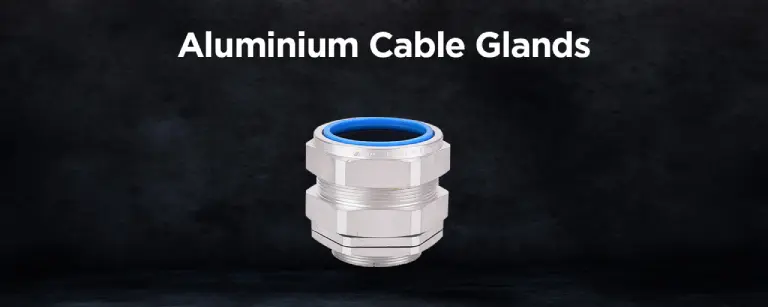
Aluminium cable glands are designed to secure and protect cable entry points in electrical equipment and enclosures. Made from high-grade aluminium, these glands offer a lightweight yet strong solution for mechanical support and environmental sealing. They are widely used for SWA cables due to their ability to withstand regular wear, resist corrosion in normal environments, and maintain reliable performance across a range of applications.
A key benefit of using an aluminium cable gland is the balance it provides between cost-effectiveness and durability. Since aluminium is naturally resistant to certain forms of corrosion and is easy to machine, it allows manufacturers to produce components with consistent accuracy. This makes them suitable for industrial cable glands that must endure vibration, mechanical pressure, or fluctuating temperatures.
These glands also support strain relief by gripping the cable firmly, preventing unwanted movement that may damage internal conductors. Industries such as construction, automation, general wiring, telecommunications, and electrical distribution rely on aluminium cable glands for dependable cable termination.
When paired with the correct SWA cable gland configuration, aluminium glands ensure the armour of the cable is properly clamped, allowing secure earthing and bonding. Their use extends across environments where weight reduction, reliable sealing, and long-term safety are priorities.
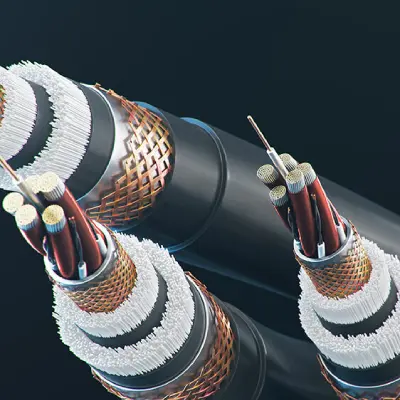
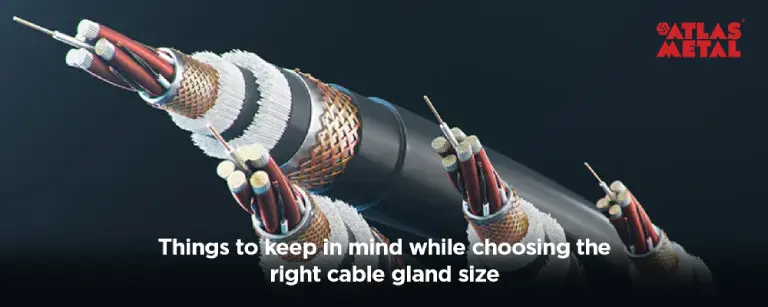
SWA cables are commonly used in installations that require strong mechanical protection. However, the cable alone cannot ensure complete protection without the right gland. This is where SWA cable glands become essential. They help maintain the structural integrity of armored cables by holding both the inner sheath and armour securely in place.
The strength of an SWA cable can only be fully utilized when the gland is capable of providing reliable locking, sealing, and electrical bonding. Without proper termination, the armour may not be grounded correctly, which can lead to safety risks. When you use an aluminium cable gland suitable for SWA cables, the gland ensures that the armour is clamped effectively, providing mechanical strength and earthing continuity.
SWA glands also protect electrical equipment from moisture, dust, vibration, and pressure. This remains important in harsh environments such as manufacturing units, outdoor electrical poles, solar installations, and control panels. The ability of the gland to maintain a secure seal reduces the risk of corrosion, accidental loosening, or short circuits.
When selecting SWA cable gland solutions, it is important to work with a reliable cable gland manufacturer that can provide accurate sizing, high-strength materials, and compliance with international standards. Aluminium cable glands are often preferred for their balance of performance and weight, making them ideal for large-scale or elevated installations where lighter components reduce overall load.
CW type glands are widely used in armoured cable installations due to their strong construction and ability to clamp the armour securely. The “CW” term refers to the way the gland supports both sealing and armouring. For SWA cables, the CW type gland ensures the armour is properly terminated while maintaining an effective environmental seal on the outer sheath.
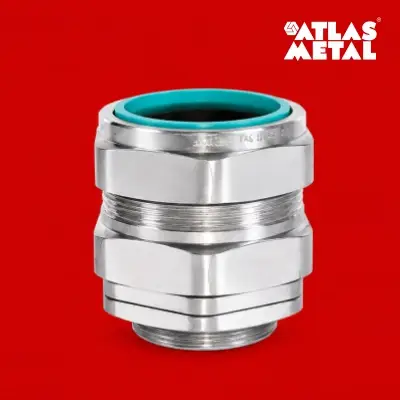
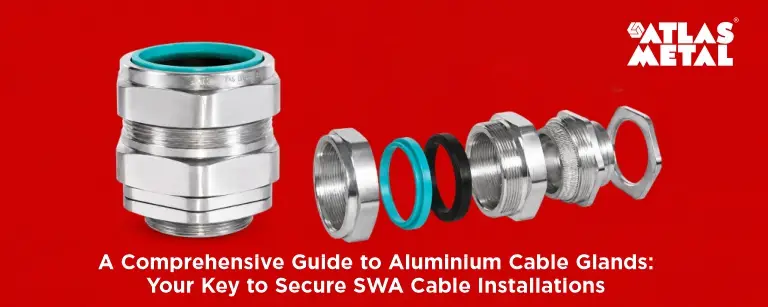
These glands are suitable for outdoor and indoor applications where additional protection is needed. Aluminium CW type glands provide a lightweight option that still offers dependable strength and stability. Their design includes components such as the gland body, compression nut, sealing rings, and locknuts that work together to create a tight fit around the cable.
CW glands also support consistent electrical bonding, which is necessary to maintain safety in installations where grounding plays a role in preventing electrical faults. When using aluminium cable glands with SWA cables, CW type designs ensure that the armour is not only clamped but also bonded to the gland body for safe dissipation of fault currents.
Industries such as power distribution, manufacturing, heavy machinery, and infrastructure development rely on CW type glands due to their ability to maintain secure connections even in environments with dust or moisture exposure. By using a CW gland, the installation becomes more reliable and compliant with safety norms, making it the preferred choice for SWA cable termination.
Cable glands work best when paired with the right cable gland accessories. These accessories enhance the performance of the gland and ensure proper installation. They include:
Locknuts
Locknuts secure the gland to the panel or enclosure, ensuring a firm and stable mount.
Earth Tags
Earth tags provide a path for electrical bonding between the gland and the equipment. When working with SWA cables, earth tags become important for grounding continuity.
Reducers and Adaptors
Reducers help fit glands into smaller entry holes, while adaptors allow for different thread conversions.
Shrouds
Shrouds protect the gland from dust, moisture, and environmental contamination.
Sealing Washers
These are used to create a weather-tight seal, especially in outdoor or wet locations.
Using the correct accessories ensures that the aluminium cable gland performs as intended. Accessories improve sealing, enhance electrical bonding, and eliminate gaps or looseness that may compromise safety.
When selecting accessories, it is advisable to choose products from the same cable gland manufacturer, as compatibility helps maintain accuracy and performance. Industrial setups depend on complete and secure termination systems, making accessories essential for long-lasting installations.
Electrical bonding is an important safety requirement in SWA cable installations. It ensures that all metallic parts, including the cable armour and gland, remain at the same electrical potential. If there is a fault, the current flows safely to the ground, preventing hazards.
Aluminium cable glands, especially CW type glands, are designed to support proper electrical bonding. They clamp the armour tightly, creating a conductive path between the cable’s metallic layers and the equipment. When used with earth tags, locknuts, and bonding accessories, the system becomes fully grounded and compliant with safety standards.
Bonding prevents the build-up of static charges, reduces the risk of electric shock, and ensures quick circuit disconnection in case of faults. This is especially important in industrial, outdoor, and high-load environments where mechanical stress and electrical loads are higher.
Bonding is not optional—it is a requirement for SWA cable gland installations. Ensuring that the aluminium cable gland is installed correctly and tested for continuity adds an extra layer of protection and supports long-term system reliability.
The IP (Ingress Protection) rating of a cable gland determines how well it can protect against dust and water. An IP66 cable gland offers complete protection against dust and strong protection against water jets. This makes it suitable for outdoor installations, industrial environments, and locations exposed to moisture or debris.
When using aluminium cable glands in SWA installations, choosing IP66 ensures that the gland prevents dust particles from entering the enclosure. It also ensures the system remains protected during rainfall or cleaning processes that involve water pressure.
IP66 protection is frequently required in electrical distribution boards, solar installations, outdoor lighting, and industrial control panels. Using a gland with this rating ensures long-term reliability, reduces maintenance needs, and protects expensive electrical infrastructure.
When working with a cable gland manufacturer, it is important to confirm that the product meets certified IP standards. This ensures quality and protection across all applications.
Choosing the correct aluminium cable gland sizes ensures compatibility with the cable diameter and armour thickness. Accurate sizing prevents the gland from becoming loose or overtightened, both of which can compromise safety.
The selection process includes:
- Measuring the cable’s inner and outer sheath diameters
- Identifying armour type and thickness
- Checking the gland’s thread type
- Matching the gland’s size with the enclosure entry hole
A trusted cable gland manufacturer provides detailed charts that list compatible sizes for SWA cables. Using these charts helps ensure precision and reduces installation errors.
The quality of aluminium cable glands depends heavily on the manufacturer. A trusted cable gland manufacturer ensures:
- High-grade aluminium processing
- Accurate machining
- Consistent sizing
- Certified IP protection
- Reliable accessories
- Strong quality checks
Atlas Metal, with its long-standing expertise in producing high-precision components, ensures that each aluminium gland meets international standards for industrial cable glands.
Industrial cable glands are used in:
- Manufacturing plants
- Power distribution
- Renewable energy
- Automation systems
- Railway and infrastructure projects
- Construction and heavy machinery
- Outdoor electrical networks
Aluminium cable glands provide lightweight yet strong solutions suited for these diverse applications.
Aluminium cable glands are essential for safe and reliable SWA installations. With the right gland type, correct size, suitable accessories, and proper bonding, electrical systems can operate safely and efficiently. Choosing the right cable gland manufacturer ensures long-term performance and dependable quality.
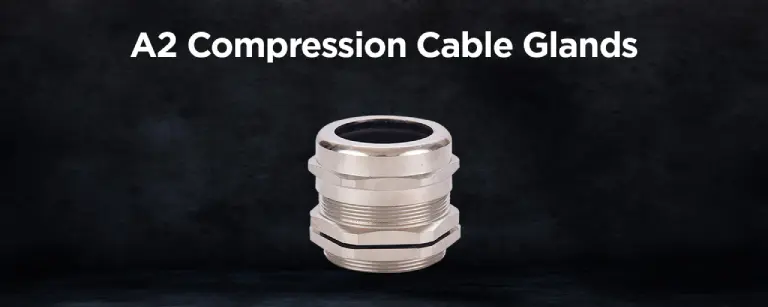
Single compression glands are used for indoor cable terminations where basic sealing is needed.
Metric and PG glands differ in thread profiles used for enclosures.
They can be used where corrosion levels are moderate.
Yes, they protect against rain, dust, and UV exposure.
Control panels often use specially rated glands that ensure sealing and strain relief.
Yes, double compression glands provide stronger environmental sealing.
Periodic inspection helps ensure that sealing components remain intact.
Yes, IP-rated glands protect against moisture exposure in underground installations.