
In the realm of electrical installations and industrial applications, effective cable management is paramount. Brass cable glands are crucial components in ensuring secure and reliable cable connections. As a leading brass cable gland manufacturer in India, Atlas Metal is renowned for producing high-quality cable glands that cater to diverse industrial needs. This blog offers an in-depth look into brass cable glands, detailing their features, benefits, types, installation process, and why Atlas Metal stands out among cable gland manufacturers in India.
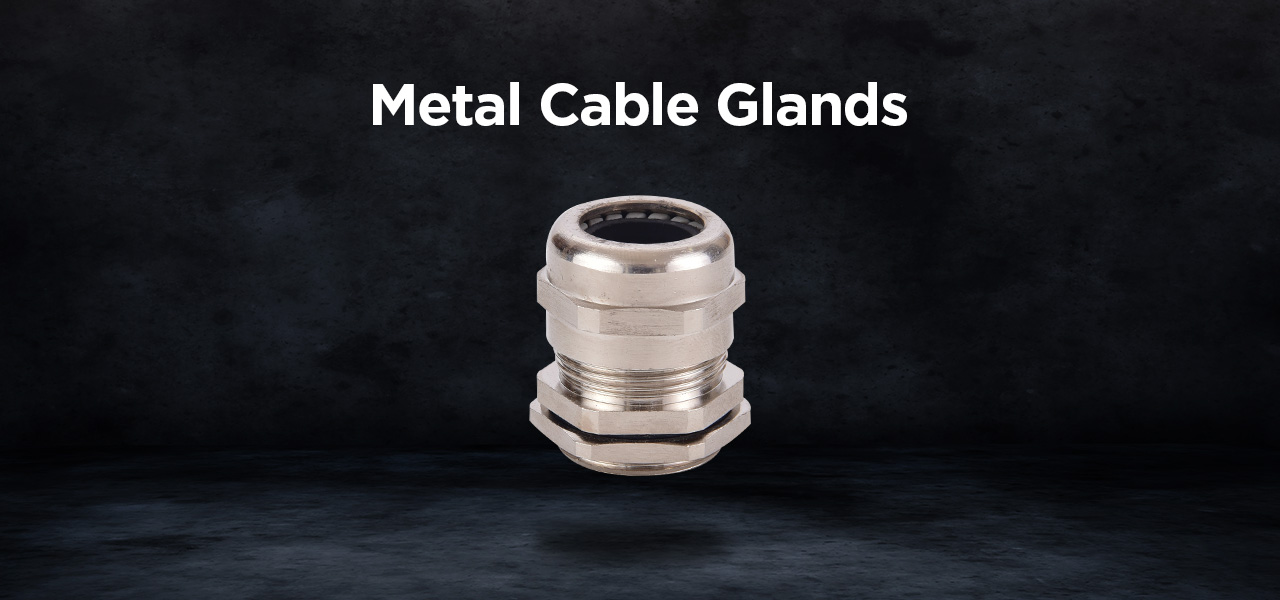
Brass cable glands are integral to securing and protecting electrical cables within various enclosures. Crafted from premium brass, these glands are known for their durability and resistance to corrosion. As a prominent brass cable gland manufacturer in Jamnagar India, Atlas Metal ensures that their products offer reliable performance across a range of applications.
Brass cable glands provide essential strain relief and safeguard against environmental factors, maintaining the integrity of cable connections. The robustness of brass makes these glands suitable for demanding conditions where other materials might fail. Atlas Metal’s brass cable glands are designed to deliver dependable solutions for cable management needs, whether in industrial, marine, or chemical environments.
Brass cable glands offer numerous advantages, making them a preferred choice for various applications. Here’s a closer look at their key features and benefits:
- Durability : Brass cable glands are renowned for their strength and long-lasting performance. Their robust construction ensures they withstand significant mechanical stress, ideal for demanding environments.
- Corrosion Resistance: The natural resistance of brass to corrosion ensures that these cable glands perform reliably in moist, chemical, and other corrosive environments.
- Thermal Conductivity: Brass’s excellent thermal conductivity helps dissipate heat generated by electrical currents, enhancing the gland’s performance and longevity.
- Security:The design of brass cable glands ensures a secure connection, preventing accidental cable pull-out and minimizing the risk of damage.
- Versatility: Brass cable glands accommodate various cable sizes and types, making them suitable for a broad spectrum of applications.
- Aesthetic Appeal: The polished appearance of brass cable glands is often desirable in visible installations.
Atlas Metal’s range of brass cable glands embodies these features, ensuring high performance and reliability in various industrial applications.
Brass cable glands are available in several types and sizes to meet different needs. Understanding these types helps in selecting the right gland for your application. Here’s an overview:
- Single Compression Cable Glands: These are designed for basic strain relief, featuring a single compression mechanism. They are suitable for less demanding environments.
- Double Compression Cable Glands: Featuring dual compression points, these glands offer enhanced protection against dust and moisture, making them ideal for more challenging conditions.
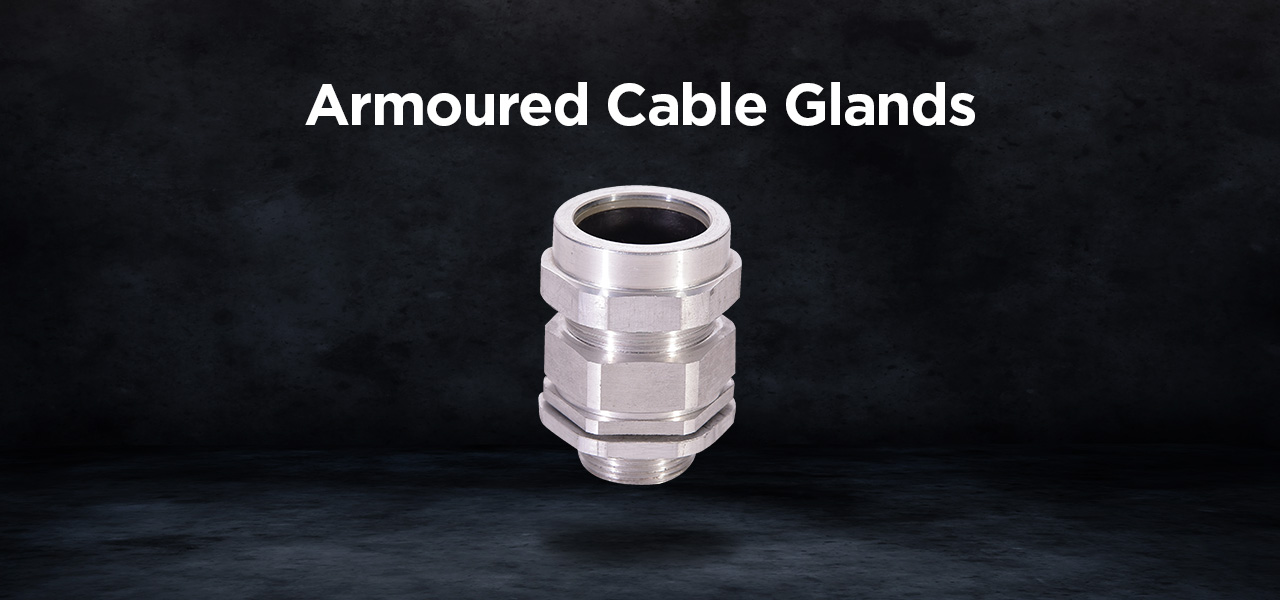
- Armoured Cable Glands: Designed for use with armoured cables, these glands ensure proper termination of the armouring and provide robust protection for heavy-duty applications.
- Explosion-Proof Cable Glands: These are engineered to prevent ignition in hazardous environments with explosion risks.
- Weatherproof Cable Glands: Equipped with seals and gaskets, these glands protect cables from rain, dust, and extreme temperatures.
- Cable Gland Size Chart: Accurate sizing is crucial for effective performance. Atlas Metal provides a detailed cable gland size chart to help you choose the correct gland based on cable diameter and application requirements.
Atlas Metal’s comprehensive range ensures you find the perfect brass cable gland for any application, from industrial to marine environments.
Proper installation is key to ensuring the performance and longevity of brass cable glands. Follow these steps for a successful installation:
- Preparation: Refer to the cable gland size chart provided by Atlas Metal to ensure you have the correct gland size for your cable.
- Cutting the Cable: Trim the cable to the desired length and strip the insulation from the end according to the gland’s specifications.
- Fitting the Gland: Slide the gland’s body onto the cable, followed by the compression ring and sealing washer. Ensure the sealing washer is properly positioned for a tight seal.
- Securing the Gland: Insert the cable into the enclosure and tighten the gland’s body onto it. Use appropriate tools to secure the gland without over-tightening.
- Compression: Tighten the compression ring to secure the cable and provide strain relief. Ensure proper compression to maintain the gland’s protective features.
- Inspection: After installation, inspect the gland to ensure it is correctly fitted and free from gaps or loose fittings. Test the installation to confirm the cable is securely held and protected.
Correct installation ensures the brass cable gland’s effectiveness and extends its service life. Atlas Metal provides detailed guidelines and support to help you achieve the best results.
Selecting the right manufacturer for your brass cable glands is crucial for ensuring product quality and performance. Here’s why choosing a reputable manufacturer like Atlas Metal matters:
- Quality Assurance: Leading cable gland manufacturers in India like Atlas Metal maintain high standards of quality control, using superior materials to produce durable and reliable products.
- Industry Expertise: Experienced manufacturers have a deep understanding of industry requirements and offer products tailored to specific applications.
- Customer Support: Reputable manufacturers provide excellent customer support, including technical assistance, installation guidance, and after-sales service.
- Compliance: Trusted manufacturers ensure their products meet relevant industry standards and regulations, providing confidence in their safety and performance.
- Innovative Solutions: Top manufacturers invest in research and development to offer advanced solutions that meet evolving industry needs.
Atlas Metal stands out as a leading brass cable gland manufacturer in India due to its commitment to quality, expertise, and customer satisfaction. Their products are designed to meet the highest standards, providing reliable and effective solutions for all cable management needs.
Atlas Metal is a top name among brass cable gland manufacturers in Jamnagar and across India. Here’s why Atlas Metal should be your preferred choice:
- High-Quality Products: Atlas Metal’s brass cable glands are made from high-grade brass, ensuring durability, corrosion resistance, and excellent performance.
- Wide Range of Options: With a diverse range of cable glands, Atlas Metal caters to various industrial needs and applications.
- Expertise and Experience: With extensive industry experience, Atlas Metal understands customer requirements and adheres to industry standards.
- Customer-Centric Approach: Atlas Metal prioritizes customer satisfaction by offering detailed product information, technical support, and prompt service.
- Competitive Pricing: Atlas Metal provides high-quality products at competitive prices, ensuring great value for money.
- Innovative Solutions: The company is committed to innovation, continuously improving its products to meet the latest industry standards.
Choosing Atlas Metal guarantees you receive top-quality brass cable glands and exceptional service, making them a reliable partner for all your cable management needs.
Atlas Metal’s brass cable glands are utilized across various industries due to their versatility and reliability. Key industries served include:
- Industrial Manufacturing: Providing robust solutions for cable management in manufacturing facilities and machinery.
- Oil and Gas: Ensuring safe and secure cable connections in hazardous environments.
- Marine: Offering corrosion-resistant cable glands for marine applications.
- Automotive: Supplying high-quality cable glands for automotive electrical systems.
- Construction: Providing effective cable management solutions for construction sites and infrastructure projects.
- Telecommunications: Ensuring reliable connections in telecommunications equipment and networks.
Atlas Metal’s products meet the specific requirements of these industries, delivering reliable performance and protection in diverse environments.
FAQs
Which is better, brass or SS cable glands?
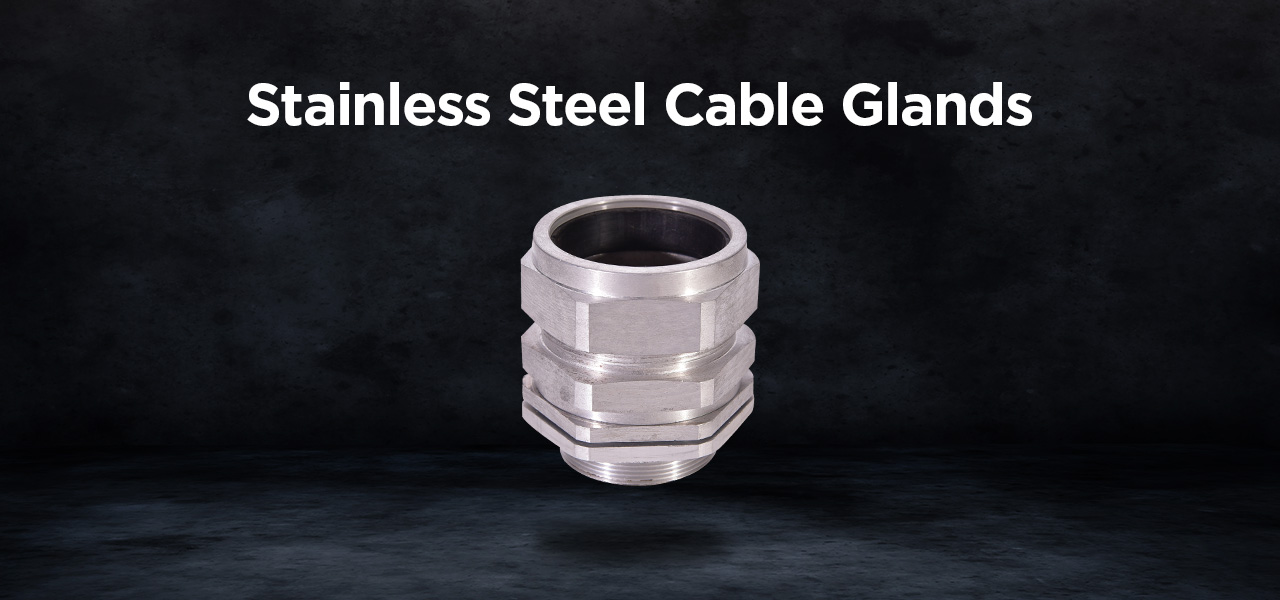
Brass cable glands are valued for their durability and corrosion resistance. Stainless steel (SS) cable glands offer higher strength and are suitable for extremely harsh conditions. The choice depends on the specific application and environmental requirements.
When to use brass glands?
Brass cable glands are ideal for applications requiring durability, corrosion resistance, and reliable performance. They are commonly used in industrial, marine, and chemical environments.
What is the full form of PG gland?
PG stands for "Panzer-Gewinde," a German term meaning "armoured thread." PG glands are used with cables that have an armoured sheath.
Why is a gland used in a cable?
A cable gland is used to secure the cable to an enclosure, provide strain relief, and protect the cable from environmental factors such as dust and moisture.
Why is brass used for wires?
Brass is used for cable glands due to its excellent strength, corrosion resistance, and thermal conductivity. It ensures a durable and reliable connection for electrical installations.
Which is stronger, brass or stainless steel?
Stainless steel is generally stronger than brass and is used in applications requiring higher strength and resistance to extreme conditions. However, brass offers excellent corrosion resistance and is suitable for many applications.
How do I choose a cable gland?
To choose the right cable gland, refer to the cable gland size chart and consider factors such as cable size, environmental conditions, and application requirements. Ensure the gland provides proper strain relief and protection.
Which is better, copper or brass?
Copper is highly conductive and is used primarily for electrical conductors, while brass is preferred for its strength, corrosion resistance, and suitability for cable glands. The choice depends on the specific application and requirements.