Cable management plays a crucial role in ensuring safe, reliable, and long-lasting electrical installations. Whether used in factories, marine systems, commercial panels, or outdoor infrastructure, the need for secure cable entry points is universal. This is where cable glands become essential. They help protect cables, secure connections, and prevent hazards caused by dust, moisture, vibration, or environmental stress.
In industries that rely on consistent performance and strict safety norms, cable glands simplify cable handling while preventing damage. They are used across electrical panels, instrumentation systems, motors, junction boxes, and machinery of all sizes. As the demand grows, understanding the types of cable glands, their uses, and how to select the right one becomes important for every technician, engineer, or industry professional.
This comprehensive guide explains what a cable gland is, why it is needed, the different materials available, and how to choose the correct solution for your environment. With growing industrial requirements across India and global markets, products like brass cable glands, aluminium cable glands, plastic cable glands, and flameproof cable glands have become essential parts of standard installations.
Let us explore the topic in a clear and structured way.
A cable gland is a simple but important device that connects and secures the end of an electrical cable to equipment. It holds the cable in place, prevents it from slipping, and protects the inner wires from damage. In simple terms, the cable gland meaning refers to a mechanical entry device that ensures the cable stays fixed, sealed, and safe during use.
The primary purpose of cable glands is to protect cables from environmental pressure. When cables pass through a panel or enclosure, they often face dust, moisture, heat, or mechanical strain. Without a gland, these factors can affect cable performance, leading to short circuits, corrosion, or system failure. A cable gland offers a sealed entry so that the cable stays stable and protected.
Cable glands are also used to relieve strain. When a cable bends or twists due to movement, wind, vibration, or handling, the gland absorbs the stress and prevents the wires from breaking internally. This makes cable glands a basic part of both indoor and outdoor electrical safety.
Because they play such an important role, cable glands are used in almost every electrical installation. From small household boxes to large industrial panels, they guarantee protection, longevity, and performance.
The importance of cable glands becomes clear when we look at the conditions cables face in real environments. Electrical equipment installed in factories, marine zones, chemical plants, or outdoor fields must resist dust, water splashes, oil exposure, temperature changes, and corrosion. A cable gland ensures that the cable and enclosure remain sealed against these elements.
Cable glands also maintain secure electrical connections by preventing the cable from loosening. In many industrial and outdoor applications, movement caused by machines or environmental vibrations can weaken a cable entry point. A properly installed gland avoids this risk and ensures constant electrical performance.
Applications include:
- Manufacturing units and control panels
- Marine equipment exposed to salty air
- Outdoor installations such as streetlights or solar systems
- Heavy machinery and industrial automation
- Hazardous areas requiring flameproof or explosion-proof designs
Because of these varied uses, choosing the right gland is essential. Whether selecting industrial cable glands for a plant or sealing cables in outdoor environments, the correct product ensures long-term safety and reliability.
Brass Cable Glands
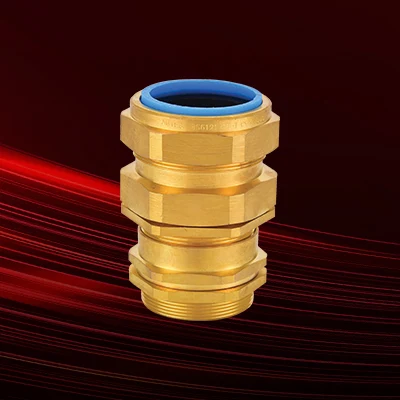
Among all types of cable glands, brass cable glands are the most widely used due to their strength and durability. Brass provides excellent corrosion resistance and long operational life, making it suitable for harsh industrial environments. These glands offer strong mechanical protection and maintain a firm grip on cables.
Industries choose brass because it withstands oil, heat, moisture, and chemical exposure. Electrical contractors and engineers consider it a dependable choice for daily use. A reliable brass cable gland manufacturer ensures high performance, precision, and safety during installation. Brass glands are commonly used in industrial panels, instrumentation systems, switches, motors, and outdoor boxes.
Aluminium Cable Glands
Aluminium cable glands are lightweight and cost-effective. While they offer good resistance to corrosion, they are particularly preferred in large installations where weight reduction is important. Aluminium also provides a good balance between strength and economy.
Industries such as power distribution, automation, and large mechanical structures often use these glands due to their easy handling. A trusted aluminium cable gland supplier ensures consistent quality and suitable protection levels. Aluminium glands are ideal for medium-strength installations where reducing overall project weight is a priority.
Other Materials & Special Glands
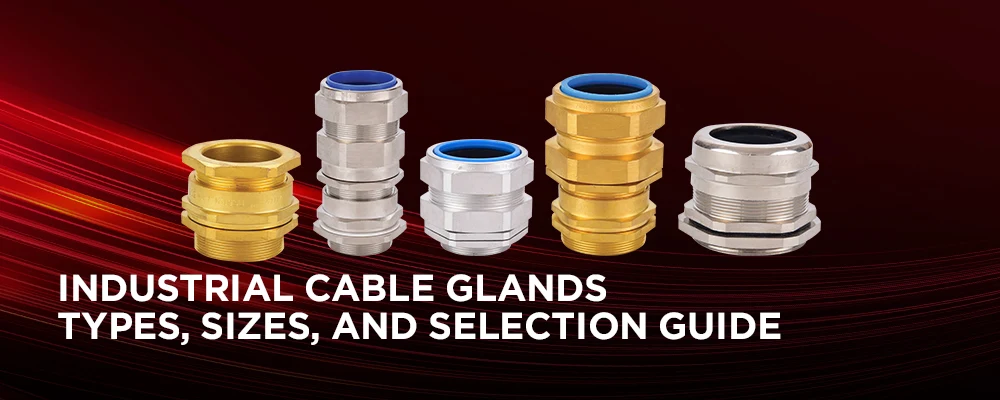
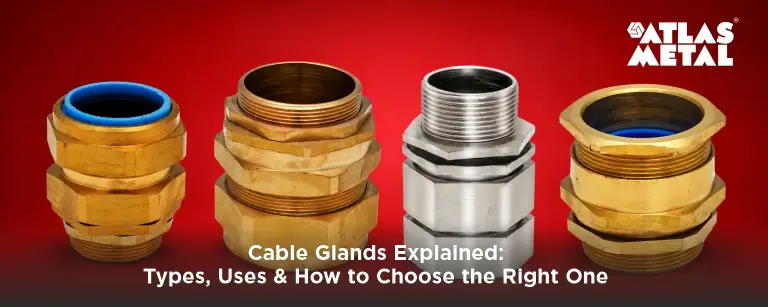
In addition to brass and aluminium, industries often use plastic cable glands, stainless steel cable glands, and flameproof cable glands based on specific needs.
- Plastic cable glands are lightweight, affordable, and suitable for small instrumentation boxes or indoor electrical setups.
- Stainless steel cable glands are used where maximum corrosion resistance is required, such as chemical plants and marine zones.
- Flameproof cable glands protect equipment installed in hazardous locations where sparks or flames may occur. These are used in oil and gas industries, refineries, and explosive zones.
Each material has its own strengths. The selection depends on the environment, cable type, and safety standards required.
Choosing a gland based on cable type is essential for safety and performance.
- Armoured cable glands are designed for cables with metal armour, ensuring strong mechanical protection and earth continuity.
- Unarmoured cable glands are used for soft, flexible, or non-armoured cables where only sealing and strain relief are required.
Understanding cable construction helps ensure that the gland matches the exact cable features.
Based on Environment
Environmental conditions play a major role in selecting a gland.
- Industrial cable glands are made for high-stress areas involving heat, vibration, and exposure to oil or dust.
- Outdoor cable glands must withstand rain, UV rays, wind, and fluctuating temperatures.
- Marine cable glands resist saltwater, humidity, and corrosion caused by harsh marine air.
Choosing the correct gland prevents long-term wear and protects the cable throughout its life.
Based on Certification
Safety certifications ensure that the gland meets international standards.
- IP68 cable glands provide the highest protection against dust and water, making them ideal for outdoor or submerged applications.
- Flameproof cable glands prevent fire hazards in explosive zones.
- Explosion-proof cable glands are required in industries that handle gases, vapour, or flammable chemicals.
Matching certification with environmental risk ensures maximum safety.
Cable gland installation must be carried out with care to ensure sealing and cable protection. A step-by-step approach includes:
- Selecting the correct gland size for the cable diameter
- Preparing the cable end safely
- Threading the cable through the gland body
- Tightening each component to ensure sealing and strain relief
- Verifying the final grip and fit inside the enclosure
Common mistakes include over-tightening, using the wrong gland material, ignoring IP ratings, or mismatching gland and cable sizes. These errors can weaken protection or damage the cable.
Following proper cable gland safety guidelines ensures that the installation lasts long and performs reliably. Always refer to manufacturer recommendations and local electrical standards to ensure compliance.
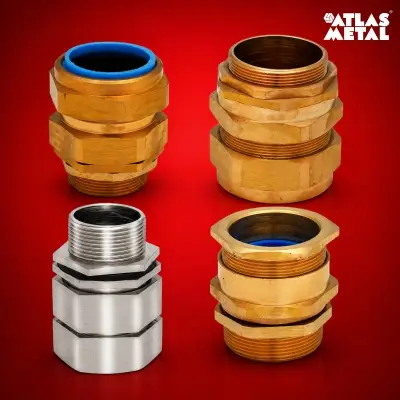
Atlas Metal Industries has built a strong reputation in manufacturing reliable, high-quality brass components. Under the ATCAB product line, the brand offers superior cable glands & accessories designed for global standards.
ATCAB cable glands are produced using high-quality raw materials and undergo strict testing procedures to ensure long-term performance. With a presence in more than 25 countries, ATCAB has become a trusted name among clients looking for durability and accuracy.
Key features include:
- Premium materials and precision engineering
- IP68 certified cable glands for maximum protection
- Consistent quality delivered by a leading cable gland manufacturer India
- Accessories designed to match a wide range of industrial applications
For industries that demand long-term reliability, ATCAB offers the confidence of performance, safety, and trust.
Cable glands are essential components for ensuring the safety and performance of electrical systems. They protect cables from environmental pressure, seal entry points, and eliminate risks related to dust, water, and corrosion. Understanding the types of cable glands, their uses, and how to select the right one helps ensure proper installation and long-term reliability.
When choosing products, look for trusted brands like ATCAB, known for quality, strength, and international standards. With the right knowledge and equipment, cable installations become safer, stronger, and more dependable.
A cable gland is used to secure and seal cables entering an electrical panel, ensuring safe wiring systems.
Single compression glands provide basic sealing, while double compression glands offer enhanced mechanical and environmental protection.
Yes, cable glands are required to protect cables from soil moisture and pressure in underground installations.
Solar plants use specialized weather-resistant glands to seal outdoor cables securely.
Chemical plants prefer corrosion-resistant materials like stainless steel for maximum durability.
Yes, they are available in metric, PG, and NPT threads depending on equipment requirements.
Some glands may be reused if undamaged, but manufacturers recommend replacement for maximum safety.
Yes, they ensure reliability by sealing cables exposed to rain, dust, and temperature changes.