ENQUIRE NOW ENQUIRE NOW ENQUIRE NOW

Tag Archives: double compression cable glands

cable gland manufacturers
Categories Cable Gland

How to Choose the Right Cable Gland Manufacturers for Industrial Applications

cable gland manufacturers

Cable glands may be small components, but their role in an electrical installation is critical. They secure cables where they enter equipment, protect connections from external conditions, and help maintain a safe and organised cable system.

For industrial buyers, selecting the right product is only one part of the decision. Choosing dependable cable gland manufacturers is equally important. Product quality, dimensional accuracy, material selection, gland sizing, application knowledge, and supply consistency can directly influence the reliability of an installation.

This guide explains the important cable gland types, how to select the correct cable gland type and size, when double compression cable glands are required, and what industries should consider while choosing a manufacturer or cable gland supplier.

Understanding Cable Glands and Their Importance

What Are Cable Glands and Why Are They Used?

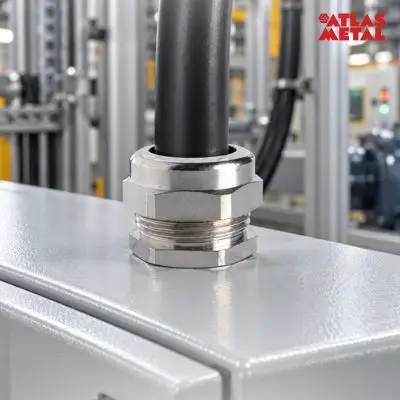
A cable gland is a mechanical component used to secure a cable at the point where it enters an electrical enclosure, control panel, motor, machine, or other equipment.

Depending on the design, cable glands can provide cable retention, sealing, strain relief, and protection against dust, moisture, vibration, and mechanical movement.

For armoured cables, suitable glands can also grip the armour and support electrical continuity. This is why selecting the correct electrical cable gland type and size is essential for industrial safety and long-term performance.

Common Cable Gland Types Used in Industrial Applications

Different installations require different cable gland types. Some commonly used options include:

  • Single compression cable glands
  • Double compression cable glands
  • A2 compression glands for unarmoured cables
  • BW, CW and E1W glands for armoured cables
  • Weatherproof cable glands
  • Flameproof and hazardous-area cable glands
  • IP-rated cable glands
  • Marine and special-purpose cable glands

Atlas Metal’s ATCAB range includes multiple cable gland designs for armoured, unarmoured, indoor, outdoor and specialised industrial applications.

How to Select the Right Cable Gland Type and Size

Factors That Determine the Correct Electrical Cable Gland Type and Size

There is no single gland suitable for every cable. The correct cable gland type and size should be selected according to:

  • Cable outer diameter
  • Armoured or unarmoured cable construction
  • Armour dimensions
  • Entry thread size
  • Indoor or outdoor installation
  • Exposure to dust, water or chemicals
  • Temperature conditions
  • Required IP protection
  • Hazardous-area requirements
  • Applicable standards and approvals

The most important step is to match the gland’s cable clamping range with the actual cable dimensions. Manufacturers normally provide size charts to simplify this process.

Common Mistakes to Avoid When Choosing Cable Gland Sizes

One of the most common mistakes is selecting a gland only by cable conductor size. The electrical cable gland type and size should instead be based on the cable’s actual construction and dimensions.

Other mistakes include choosing an incorrect thread, ignoring armour dimensions, using indoor glands outdoors, and selecting a gland without checking the required IP or hazardous-area rating.

Good cable gland manufacturers provide clear technical data to help customers avoid these problems.

When Should You Use Double Compression Cable Glands?

Benefits in Harsh Industrial Environments

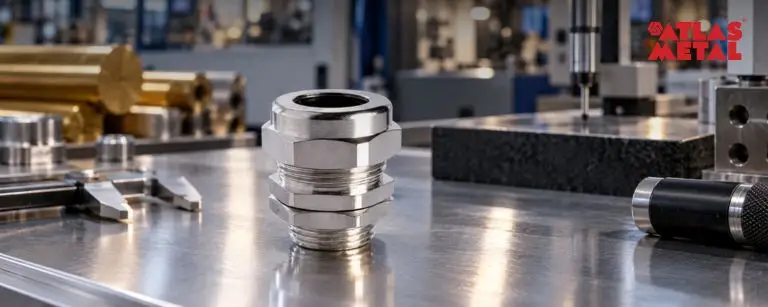
Double compression cable glands are generally selected for armoured cables used in environments where additional sealing and cable retention are required.

Unlike simpler gland designs, double compression arrangements provide compression at more than one point of the cable assembly, depending on the gland design. This can improve cable support, sealing, and protection in demanding installations.

ATCAB’s Double Compression Weather and Flame Proof Glands, for example, are designed for armoured cables and applications where weather or flameproof protection is required.

Industries That Require Double Compression Cable Glands

Double compression cable glands are commonly considered for applications such as:

  • Oil and gas facilities
  • Petrochemical plants
  • Power generation
  • Heavy manufacturing
  • Process industries
  • Outdoor electrical infrastructure
  • Mining and heavy engineering
  • Installations involving flammable gases or vapours

The exact gland should always be selected according to the equipment, cable, location classification, and required certification.

What to Look for in Cable Gland Manufacturers

Reliable cable gland manufacturers should offer more than a broad product catalogue. Industrial buyers should evaluate:

Material quality: Brass, stainless steel, aluminium, or other materials should meet the requirements of the intended application.

Dimensional accuracy: Consistent machining is important for correct cable gripping, threading, and sealing.

Product range: Manufacturers should offer multiple cable gland types and sizes rather than relying on one general solution.

Technical documentation: Size charts, thread options, cable ranges, IP ratings, standards, and product specifications should be clearly available.

Quality control: Manufacturing and inspection processes should ensure consistency across large quantities.

Accessories: Locknuts, earth tags, washers, shrouds, adaptors, and reducers should be available where required.

Why Choose Cable Gland Manufacturers in Jamnagar?

Jamnagar, Gujarat has a long-established metalworking and brass-component manufacturing ecosystem. Choosing experienced cable gland manufacturers in Jamnagar can provide access to specialised manufacturing knowledge, established supply chains, machining capabilities, and product customisation.

Atlas Metal operates its manufacturing facility in Jamnagar, with processes including casting, extrusion, forging, CNC machining, assembly, testing, packing, and dispatch supported in-house.

For buyers comparing cable gland manufacturers in Jamnagar, manufacturing capability, quality systems, technical support, and export experience should remain more important than price alone.

How to Choose the Right Cable Gland Supplier

A dependable cable gland supplier should help simplify procurement, not create additional uncertainty.

Before placing an order, verify product specifications, available sizes, material, thread options, relevant certification, delivery capability, packaging requirements, and compatibility with accessories.

A good cable gland supplier should also be able to guide buyers toward the correct solution when cable specifications or operating conditions change.

Why Atlas Metal Industries Is a Trusted Choice

Atlas Metal Industries began manufacturing brass electrical wiring and earthing accessories under the ATCAB brand in 1996. Today, its portfolio includes cable glands, earthing accessories, cable lugs, conduit fittings, cable cleats, cable ties, and related electrical components. The company operates a modern manufacturing facility in Jamnagar and serves national and international markets.

For businesses evaluating cable gland manufacturers, Atlas Metal Industries offers a broad product range supported by in-house manufacturing, technical specifications, multiple gland configurations, and solutions for different industrial applications.

Conclusion

Choosing the right cable gland begins with understanding the cable and the environment in which it will operate. However, choosing the right manufacturer is just as important.

Compare cable gland types, determine the correct cable gland type and size, assess whether double compression cable glands are required, and review the manufacturer’s material quality, technical support, manufacturing capability, and product consistency.

Working with experienced cable gland manufacturers such as Atlas Metal Industries helps industrial buyers build cable-management systems designed for safety, reliability, and long-term performance.

FAQs

Common brass cable glands include A2, BW, CW, E1W, single compression, and double compression cable glands. Selection depends on whether the cable is armoured or unarmoured and the environment in which it will operate.

A cable gland size chart normally lists the gland size, thread size, cable clamping range, and other relevant dimensions. Compare the actual cable diameter and armour dimensions with the manufacturer’s chart before selecting the gland.

The correct armoured cable gland depends on the application. BW, CW, E1W, and certain double compression cable glands may be suitable for SWA cable installations depending on indoor, outdoor, sealing, and certification requirements.

An IP68 cable gland is designed for installations requiring a high level of protection against dust and water ingress when correctly installed as part of the rated system. It is commonly considered for demanding outdoor and industrial applications.

Flameproof cable glands should be selected where the equipment and installation are located in appropriately classified hazardous areas and the gland carries the required certification for that application.

Common cable gland accessories include locknuts, earth tags, IP washers, serrated washers, PVC or LSF shrouds, reducers, adaptors, and entry-thread seals.

Ask your cable gland supplier about cable compatibility, gland material, thread size, clamping range, IP rating, certifications, accessories, quantity requirements, and delivery schedule.

Double compression cable glands provide secure cable retention and additional sealing for suitable armoured cable installations. Their robust construction makes them particularly useful in demanding industrial, outdoor, and hazardous-area applications.

Single and Double Compression
Categories Cable Gland

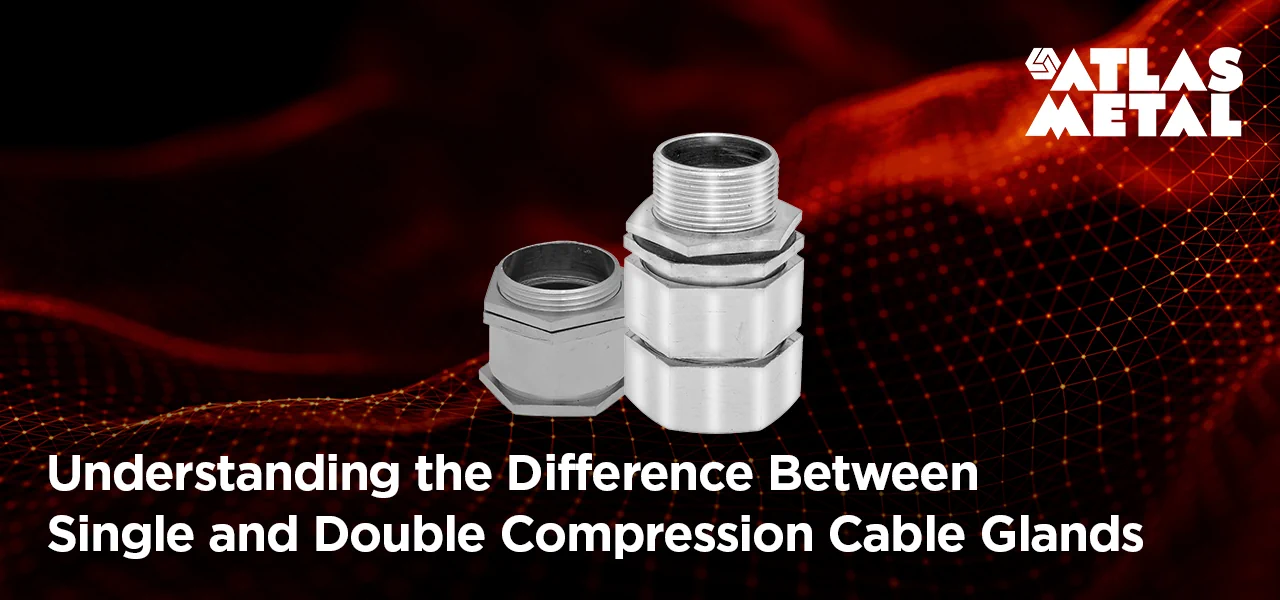
Understanding the Difference Between Single and Double Compression Cable Glands

Single and Double Compression Cable Glands

Introduction

Cable glands are essential components in various electrical installations, ensuring safe and reliable connections between cables and equipment. Whether in industrial or residential applications, selecting the right cable gland types and sizes is critical for optimal performance. Among the most commonly used cable glands are single compression cable glands and double compression cable glands. Although both perform the vital function of sealing and protecting cables, their design and applications vary significantly. This blog explores the difference between single and double compression cable glands, helping you understand their respective features, uses, and components.

Single Compression Cable Gland

A single compression cable gland is the simpler of the two, often used in environments where lower levels of mechanical stress and sealing are required. These glands are ideal for outdoor and indoor installations in controlled environments where the risk of water ingress or high pressure is minimal. Cable gland sizes for single compression glands vary to accommodate different cable diameters, ensuring a snug fit without damaging the cable.

Single Compression Cable Gland Application

Single compression cable glands are primarily used in industrial and residential settings where protection against dust and moisture is needed but where mechanical stress is not extreme. They are typically found in smaller equipment, control panels, and junction boxes. Due to their design, they are more suitable for indoor use, where exposure to hazardous environments is limited. The affordability of single compression cable glands makes them an attractive option for general-purpose applications.

Applications include:

  • Control panels
  • Electrical junction boxes
  • Small machines and appliances

Components of a Single Compression Cable Gland

A single compression cable gland has a straightforward structure that makes it easy to install. Its primary components include:

  1. Gland Body: The main part of the gland that connects the cable to the equipment.
  2. Compression Nut: Ensures the tight fit of the cable inside the gland.
  3. Sealing Ring: Provides a seal to prevent dust and moisture from entering.\
  4. Locknut: Secures the gland to the equipment.

Each component plays a vital role in the gland’s overall performance, ensuring that the cable remains protected under normal conditions. However, for more challenging environments, a double compression cable gland may be required.

Double Compression Cable Gland

A double compression cable gland is more robust and designed for harsher environments, offering enhanced protection and sealing capabilities. These glands are engineered to prevent the ingress of water, dust, and other contaminants, making them ideal for outdoor applications or industries with higher mechanical stresses.
The design of double compression cable glands allows for a more secure and tight fit compared to single compression glands. In addition to providing external compression, these glands offer internal compression, which enhances their sealing properties. These glands are ideal for industries where cables are exposed to outdoor elements or hazardous environments, providing added protection and longevity.

Double Compression Cable Gland Applications

The applications of double compression cable glands are broader due to their superior sealing properties. They are used in industries like oil and gas, petrochemical, and heavy machinery, where the risk of water ingress, corrosion, or mechanical damage is high. These glands are particularly useful in environments where cables are exposed to dust, moisture, and hazardous chemicals.

Common applications include:

  • Outdoor installations
  • Petrochemical plants
  • Oil and gas industries
  • Heavy machinery

Different Parts of Double Compression Cable Glands

The double compression cable gland consists of several components designed to ensure maximum protection:

  1. Gland Body: The main body that houses the cable.
  2. Outer Compression Ring: Compresses the outer cable sheath, providing an additional layer of sealing.
  3. Inner Compression Nut: Tightens the cable within the gland for internal sealing.
  4. Sealing Washer: Ensures that no water or dust can enter the gland.
  5. Locknut: Secures the gland to the equipment.
  6. Earth Tag: Provides grounding to prevent electrical faults.

These additional parts give double compression cable glands their ability to withstand extreme environmental conditions, making them indispensable in industrial settings that demand high levels of protection.

Conclusion

In summary, the key difference between single and double compression cable glands lies in their design, applications, and level of protection. Single compression cable glands are ideal for general-purpose use, offering basic sealing and protection in low-risk environments. On the other hand, double compression cable glands provide enhanced sealing, making them suitable for industries with harsh environmental conditions.

When selecting between these two types, it’s essential to consider factors like cable diameter, the environment, and the level of mechanical stress the gland will endure. Atlas Metal, a leading cable glands manufacturer in Jamnagar India, offers a wide range of cable gland types and sizes to meet your specific needs. Whether you require the simplicity of single compression or the robust protection of double compression, Atlas Metal has the solution for you.

For more information on our selection of cable glands, feel free to explore our catalog or contact us for expert advice.

FAQs

Industries such as oil and gas, petrochemical, and heavy machinery benefit from double compression cable glands due to their superior protection against environmental hazards.

You can refer to the cable gland size chart provided by the manufacturer, ensuring that the gland matches your cable's diameter and environmental requirements.

Yes, cable glands come in various materials, including brass, stainless steel, and aluminum. Atlas Metal is a brass components manufacturer in Jamnagar offering high-quality brass cable glands.

The sealing washer provides an additional layer of protection by preventing the ingress of water, dust, and other contaminants.

While single compression glands are suitable for controlled environments, they may not provide adequate protection in outdoor settings where high mechanical stress and moisture are concerns.

Categories Cable Gland

Cable Glands vs. Cable Entry Systems: Find the Perfect Fit for Your Electrical Project

Cable Glands vs. Cable Entry Systems

Introduction

When it comes to managing cables in electrical projects, ensuring secure and efficient cable entry is essential. Whether you are working in industrial setups, construction, or any electrical infrastructure, choosing the right cable management system can greatly impact performance and safety. Cable Glands and Cable Entry Systems are two primary options available for this purpose. Both serve the purpose of securing and protecting cables, but they come with different advantages depending on the specific needs of the project.
In this blog, we will explore the differences between cable glands and cable entry systems to help you make an informed decision. Whether you are looking for information on a cable gland supplier or wondering how to choose the right system for your cables, this guide will provide all the details. We will also discuss how Atlas Metal, one of the leading cable gland manufacturers in India, can help you upgrade your cable management system.

Cable Glands

A cable gland is a device designed to attach and secure the end of an electrical cable to equipment. They are primarily used to seal cables and provide protection against moisture, dirt, and dust. These glands are particularly useful in industrial settings where cables are exposed to harsh environments. As a cable glands manufacturer in Jamnagar India, Atlas Metal offers a variety of high-quality options tailored to meet the needs of different industries.
Cable glands come in various sizes and materials, making it crucial to choose the right one for your project. By consulting a cable gland size chart, you can easily find the appropriate gland for your cables, ensuring a snug fit and optimal protection. Choosing the right size is vital because an incorrect gland could lead to leakage or damage to the cables.

Advantages of Cable Glands

  • Durability: Cable glands are made from robust materials such as brass, stainless steel, or plastic, providing excellent durability in industrial environments.
  • Protection They offer superior protection against contaminants such as water, oil, and chemicals, which are common in manufacturing plants.
  • Versatility: Available in various sizes and types, cable glands are suited for both armoured and unarmoured cables, making them a versatile choice for different applications.

If you are seeking a cable gland supplier, Atlas Metal’s comprehensive product range offers reliable, high-quality cable glands that ensure long-lasting performance in challenging environments.

Cable Entry Systems

Unlike cable glands, Cable Entry Systems offer a more flexible way of managing multiple cables. These systems allow for easy and quick installation of several cables into cabinets, junction boxes, or machinery. Cable Entry Systems are perfect for projects that require frequent cable modifications, offering better flexibility compared to traditional cable glands.

The two most common components of Cable Entry Systems are gland plates and splittable frames, which we’ll explore further below.

1. Gland Plates

Gland plates are an essential part of Cable Entry Systems. They serve as an interface for cables to enter electrical enclosures without compromising the environmental sealing of the box. Unlike individual cable glands, a gland plate can accommodate multiple cables at once, simplifying the installation process. Gland plates are ideal for applications where a large number of cables need to be routed into enclosures.

2. Splittable Frames

Splittable frames are another component used in Cable Entry Systems. They allow for easy cable management by making it possible to route pre-terminated cables through an enclosure. This is particularly beneficial when cables have large connectors or if re-routing is needed in the future. The splittable frames make it easy to open and close around cables without having to dismantle the entire system.

Benefits of Cable Entry Plates

  • Efficiency: Multiple cables can be installed simultaneously, reducing installation time.
  • Flexibility: Ideal for situations where cables need to be frequently added or removed.
  • Space-Saving: Compared to using multiple cable glands, cable entry plates take up less space, making them a practical choice for compact enclosures.

Upgrade Your Cable Management System With Atlas Metal

Atlas Metal, one of the leading cable gland manufacturers in India, offers not only high-quality cable glands but also an array of Cable Entry Systems. By upgrading your cable management system with Atlas Metal, you ensure enhanced safety, better organization, and long-term durability for your electrical projects. Atlas Metal’s expertise in manufacturing brass components, especially in cable glands and Cable Entry Systems, makes them a trusted cable gland supplier in both domestic and international markets.
Whether you are looking for the right cable gland size chart to determine the best fit for your project or exploring the latest innovations in Cable Entry Systems, Atlas Metal has the solutions you need. Their products offer excellent protection, are easy to install, and are highly durable, making them a reliable choice for any electrical project.

Conclusion

In conclusion, both cable glands and Cable Entry Systems have their unique advantages. While cable glands offer superior durability and protection for individual cables, Cable Entry Systems provide a more flexible and space-efficient solution for managing multiple cables. The choice between the two depends on the specific requirements of your project.
As one of the top cable gland manufacturers in Jamnagar, Atlas Metal can supply both types of systems, ensuring that you find the perfect fit for your needs. Their comprehensive product range includes everything from high-quality brass cable glands to innovative Cable Entry Systems that streamline your cable management.

FAQs

Using a cable gland size chart can help you choose the right size. Atlas Metal provides detailed charts for accurate sizing.

A cable entry plate simplifies cable installation by allowing multiple cables to pass through enclosures while maintaining a secure seal.

Yes, Cable Entry Systems are commonly used in industrial applications for efficient cable management.

As a trusted cable gland supplier, Atlas Metal offers durable, high-quality products designed for various industries.

Cable glands are inserted into the enclosure by threading them through a drilled hole and tightening them to secure the cable

Armoured cable glands provide extra protection for cables, whereas unarmoured glands are used for cables that do not require additional shielding.

Categories Brass Conduit Fittings Cable Cleats Cable Gland Cable Lugs

Cable Glands Size Chart: A Beginner’s Guide to Cable Gland Sizing by Atlas Metal

Cable gland size chart

Introduction

In the world of electrical installations, choosing the right cable gland size is crucial for ensuring the safety and reliability of connections. Cable glands serve as a protective mechanism where cables enter equipment, securing the cable and providing strain relief. While this might sound straightforward, the sizing of cable glands can often be complex, especially for those new to this domain. In this beginner’s guide, we’ll take you through the fundamentals of cable gland sizing, offering a comprehensive cable glands size chart and explaining how to measure and select the correct size.

Atlas Metal, a leader among cable gland manufacturers in India, has crafted this guide to help both novice and experienced users understand and choose the right cable gland for their needs. Whether you’re looking for specific types of cable glands or need to understand the differences in size, this guide will equip you with all the essential information.

Cable Gland Size Chart

One of the most important tools for selecting the right cable gland is a cable glands size chart. This chart serves as a reference for matching the diameter of the cable with the appropriate gland size. It’s essential to consult this chart before purchasing to ensure a secure and safe connection.

Cable Diameter (mm)Gland Size
3.5 – 616mm
6 – 920mm
9 – 1225mm
12 – 1532mm
15 – 1840mm

These are common sizes, but it’s always recommended to double-check with specific manufacturers, such as cable gland manufacturers in Jamnagar, for region-specific charts or specialized projects. The cable gland size you choose should match the cable’s outer diameter, taking into account factors such as insulation and environmental conditions.
Consulting a reliable cable glands size chart can significantly streamline the selection process and ensure the gland fits securely without causing damage to the cable or the equipment.

How to Measure Cable Glands

Measuring the correct size for a cable gland involves understanding a few key dimensions. The first measurement to note is the cable’s outer diameter. This determines the basic gland size. However, there are other measurements to consider, such as:

  1. Thread Size: This refers to the diameter of the threaded part of the gland that screws into the equipment.
  2. Entry Hole Size: The size of the hole in the equipment where the gland will be installed.
  3. Seal Length: This refers to the length of the gland that will engage with the equipment.

To measure accurately:

  • Use a caliper to measure the outer diameter of the cable.
  • Measure the hole where the gland will be installed to ensure a snug fit.
  • Cross-check these measurements with the cable gland size chart.

Measuring these components ensures that the gland fits properly, preventing issues like over-tightening, which can lead to electrical failures or equipment damage. Many cable gland suppliers provide detailed instructions, but following basic measurement guidelines will give you a solid foundation for selecting the correct gland size.

How to Check You Have the Correct Cable Gland Size

Once you’ve measured and selected the gland size using a cable gland size chart, it’s essential to verify the fit. Here’s how you can check if the size you’ve chosen is correct:

  1. Dry Fit Test: Insert the cable through the gland without fully tightening it. The cable should slide through easily, but once the gland is tightened, it should form a firm seal around the cable.
  2. Check for Strain Relief: Ensure that the gland provides adequate strain relief to protect the cable from pulling and twisting.
  3. Inspect the Seal: Once installed, check for any gaps between the gland and the cable. A good fit will have no gaps and will create a seal that prevents ingress of dust, dirt, or moisture.

If the gland is too large, it won’t provide adequate sealing, leading to potential damage. Conversely, a gland that is too small may strain the cable, causing unnecessary wear. Double-checking these factors is essential to ensuring a secure installation.

How to Choose a Cable Gland

Choosing the right cable gland involves more than just looking at a cable glands size chart. Consideration must also be given to:

  1. Material: Cable glands are typically made from brass, stainless steel, or plastic. For industrial applications, brass glands are highly recommended for their durability and corrosion resistance. Atlas Metal, a trusted cable gland manufacturer in India, specializes in high quality brass cable glands.
  2. Application: The environment where the cable gland will be installed is critical. In hazardous environments, explosion-proof glands might be necessary. In outdoor environments, glands should have IP ratings that protect against water and dust.
  3. Certifications: Ensure that the cable glands meet relevant industry standards for safety and performance. Common certifications include ATEX and IECEx for hazardous areas.

Consulting with reputable cable gland manufacturers in Jamnagar and other regions ensures you receive expert guidance for selecting the appropriate gland for your specific application.

Shop Our Selection of Cable Glands

At Atlas Metal, we offer a wide range of high-quality brass cable glands designed for various industrial applications. Our product selection includes cable glands that are meticulously engineered to meet industry standards, ensuring durability and reliability.
Whether you are looking for cable gland types and sizes for small-scale projects or specialized installations, our catalog offers a vast selection suited to your needs. As a premier cable gland supplier, we pride ourselves on offering products that provide excellent performance, reliability, and ease of installation.
To shop our full range of cable glands, visit our website and explore our collection tailored to meet diverse requirements.

Related Products

In addition to cable glands, we also offer a range of related products, including:

  1. Cable Lugs: These are essential components for securely terminating cables in electrical connections.
  2. Brass Fittings: Known for their durability and resistance to corrosion, brass fittings are used in various applications, from plumbing to electrical installations.
  3. Conduit Fittings: Designed to protect cables and wires, conduit fittings are available in a variety of sizes to suit different project requirements.

As one of the leading cable gland manufacturers in India, we ensure that all our products are crafted with precision and tested for high performance.

FAQs

A cable glands size chart is essential for ensuring you select the correct size cable gland for your installation. It helps match the outer diameter of the cable to the appropriate gland size, preventing issues like improper sealing, which can lead to equipment failure or safety hazards. Using a size chart simplifies the process of finding the right gland for your specific cable type.

For hazardous environments, it’s essential to choose a cable gland that meets stringent safety standards, such as ATEX or IECEx certification. In such cases, explosion-proof or flameproof glands are recommended. Always consult cable gland suppliers who specialize in these types of glands to ensure the product is fit for purpose. Cable gland manufacturers in India, like Atlas Metal, offer high-quality, certified cable glands suitable for hazardous areas.

Cable glands are typically made from materials like brass, stainless steel, or plastic. Brass is highly durable and corrosion-resistant, making it ideal for industrial applications. Stainless steel is recommended for environments with extreme conditions, while plastic is suitable for lighter-duty installations. Brass cable glands, offered by cable gland manufacturers in Jamnagar, are a popular choice for their durability and resistance to harsh conditions.

No, it’s crucial to select the correct gland size by referring to a cable glands size chart. Using a gland that’s “close enough” can lead to improper sealing, inadequate strain relief, or potential damage to the cable. Always ensure the gland matches the exact outer diameter of the cable for optimal safety and functionality.

When selecting cable glands, look for certifications like ATEX, IECEx, or UL. These certifications ensure that the cable gland meets specific safety and performance standards, particularly in hazardous environments. Leading cable gland manufacturers in India, such as Atlas Metal, offer certified products that guarantee durability, performance, and safety compliance in demanding industrial applications.

Double Compression Cable Gland
Categories Cable Gland

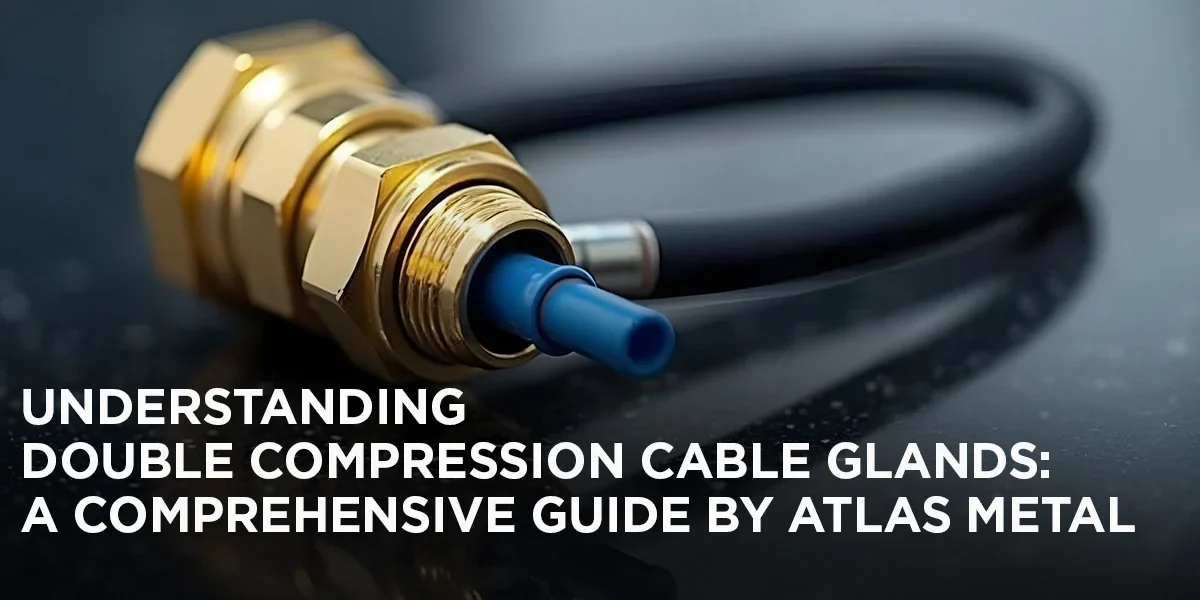
Understanding Double Compression Cable Glands: A Comprehensive Guide by Atlas Metal

Double Compression Cable Gland: An Introduction

Cable glands are crucial components in electrical installations, providing secure and reliable cable entries into equipment. Among the various types of cable glands, double compression cable glands are notable for their superior protection and performance features. Unlike single compression glands, double compression cable glands offer dual compression, enhancing both mechanical strength and environmental sealing. This blog, presented by Atlas Metal, a leader in manufacturing quality brass pipe fittings, delves into the specifics of double compression cable glands, comparing them with single compression types, and exploring their applications.

What is a Double Compression Cable Gland?

A double compression cable gland is an advanced device designed to secure and seal cables entering into electrical equipment or enclosures. Unlike single compression glands, which compress the cable at just one end, double compression cable glands apply compression at both the entry and exit points. This dual compression enhances the gland’s ability to withstand mechanical stresses and environmental conditions, making it ideal for more demanding applications.
Typically crafted from durable materials such as brass, double compression cable glands provide excellent resistance to corrosion and mechanical damage. This makes them suitable for use in various environments, from industrial settings to outdoor applications.

How Does a Double Compression Cable Gland Work?

The functionality of a double compression cable gland involves two stages of compression. Initially, when installed, the outer compression ring compresses the outer sheath of the cable against the gland body. This creates a seal that prevents dust, moisture, and other contaminants from entering the equipment.
The second stage of compression occurs inside the gland, where the inner compression ring compresses the inner insulation of the cable. This additional compression secures the cable firmly in place and enhances its resistance to mechanical stress. The combination of these two compression stages ensures a robust sealing mechanism, making double compression cable glands highly effective in protecting cables across various environments.

What is the Use of Double Compression Cable Gland?

Double compression cable glands serve multiple purposes in electrical installations, including:

  1. Protection Against Environmental Factors: They provide superior protection against dust, moisture, and chemicals, making them ideal for use in harsh environments.
  2. Mechanical Strength: The dual compression mechanism ensures that cables are securely held in place, reducing the risk of mechanical damage.
  3. Enhanced Safety: By offering a robust seal, double compression cable glands reduce the risk of electrical faults, ensuring the safety of both equipment and personnel.
  4. Compliance: These glands often adhere to international safety and performance standards, making them suitable for use in regulated industries.

Double Compression Cable Gland Applications

The versatility of double compression cable glands allows them to be used in a range of applications:

  1. Industrial Machinery: Secures cables in machinery and equipment exposed to harsh conditions.
  2. Oil and Gas: Provides protection for cables in oil rigs, refineries, and other facilities with high exposure to chemicals and extreme conditions.
  3. Mining: Ensures secure cable entry in mining equipment, safeguarding against dust and moisture.
  4. Automotive: Used in vehicles to secure and protect wiring systems from vibrations and environmental factors.
  5. Building and Construction: Ensures reliable cable connections in construction sites and commercial buildings.

Different Parts of Double Compression Cable Glands

A typical double compression cable gland consists of several key components:

  1. Gland Body: The main part of the gland housing the cable and providing sealing and compression.
  2. Outer Compression Ring: Compresses the outer sheath of the cable against the gland body, ensuring protection against dust and moisture.
  3. Inner Compression Ring: Compresses the inner insulation of the cable, securing it firmly in place.
  4. Locknut: Secures the gland to the equipment or enclosure, providing stability and preventing loosening.
  5. Sealing Washer: Ensures a tight seal between the gland and the equipment or enclosure, further enhancing protection.

Difference Between Single and Double Compression Gland

The primary differences between single compression and double compression glands are:

  1. Compression Points: Single compression glands compress the cable at one end, while double compression glands provide compression at both ends.
  2. Sealing Effectiveness: Double compression cable glands offer superior sealing effectiveness due to their dual compression, providing better protection against environmental factors.
  3. Mechanical Strength: Double compression glands deliver greater mechanical strength, making them suitable for more demanding environments.
  4. Application Environments: Single compression glands are typically used in less demanding environments, whereas double compression glands are preferred in industrial and harsh settings.

How Many Types of Cable Glands Are There?

There are several types of cable glands, each designed for specific applications and environments:

  1. Single Compression Glands: Suitable for less demanding applications requiring basic compression and sealing.
  2. Double Compression Glands: Ideal for harsh environments, offering enhanced protection and mechanical strength.
  3. Armoured Cable Glands: Used with armoured cables to provide additional protection and secure the cable armor.
  4. Unarmoured Cable Glands: Suitable for unarmoured cables, offering basic compression and protection.
  5. Explosion-Proof Glands: Designed for hazardous environments where there is a risk of explosions.
  6. Hygienic Glands: Used in industries with high hygiene standards, such as food and pharmaceuticals.

For inquiries, reach us at sales@atlasmetalind.com or call us at +91-288 2730 944. Visit our website at https://atlasmetalind.com to learn more about our products and services

FAQs

 A single compression cable gland provides basic compression and sealing for cables in less demanding environments.

A double compression cable gland typically includes a gland body, outer compression ring, inner compression ring, locknut, and sealing washer.

A double compressor gland, or double compression gland, provides compression at both ends of the gland, enhancing sealing and mechanical strength.

The key difference is that double compression glands compress the cable at both ends, offering better sealing and mechanical strength compared to single compression glands.

Yes, double compression glands can be used for unarmoured cables, providing enhanced sealing and protection.

A1 and A2 refer to different types or standards of cable glands, with A1 typically being a standard type and A2 a variant or specific design.

Brass cable glands offer durability, corrosion resistance, and excellent mechanical strength, making them ideal for a range of industrial and outdoor applications.