ENQUIRE NOW ENQUIRE NOW

Author Archives: Atlas Metal Industries

Categories Cable Gland

How to Choose the Right Industrial Cable Glands for Maximum Efficiency and Safety

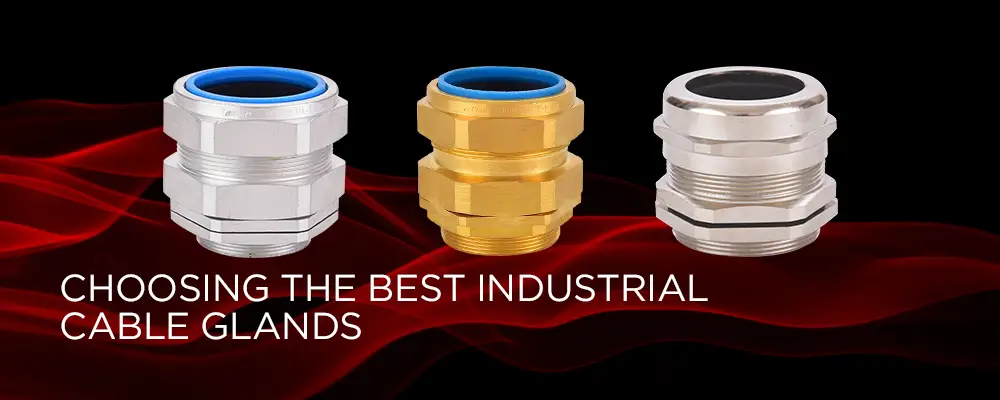
In industrial and commercial electrical installations, ensuring cable security and protection is essential for safety and performance. Cable glands play a critical role in maintaining cable integrity by providing secure connections, preventing moisture ingress, and minimizing strain. Choosing the right industrial cable glands ensures maximum efficiency, safety, and durability.

This comprehensive guide outlines the types of industrial cable glands, key selection factors, installation tips, and why Atlas Metal Industries Pvt Ltd is a trusted provider of high-quality cable glands for various applications.

Understanding the Role of Cable Glands in Industrial Applications

Cable glands are essential components that secure and protect cables entering electrical equipment. Their primary functions include:

  • Providing strain relief for cables to prevent damage
  • Sealing the cable entry point to maintain ingress protection
  • Ensuring cable integrity in hazardous or high-moisture environments

Industries such as manufacturing, construction, marine, and automation heavily rely on industrial cable glands to ensure electrical safety and system longevity.

Choosing the appropriate cable gland types ensures optimal performance in varied environmental conditions, making them indispensable in industrial setups.

Types of Industrial Cable Glands and Their Uses

Various cable gland types are available to suit different industrial requirements. Common options include:

  1. A2 Cable Glands: Ideal for general industrial use, these glands provide robust sealing for non-armoured cables.
  2. A2 CXT Type Cable Glands: Designed for hazardous environments, these glands provide superior sealing and strain relief.
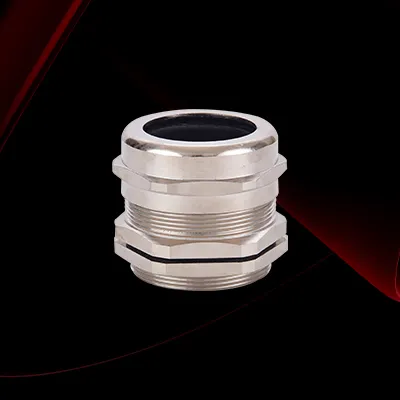
  3. IP68 Cable Glands: Offering maximum ingress protection, these glands are suitable for marine and outdoor applications.
  4. Brass Cable Glands: Known for corrosion resistance and strength, they are suitable for heavy-duty industrial use.
  5. Plastic Cable Glands: Lightweight and resistant to chemicals, ideal for indoor environments.

Choosing the right cable gland types ensures secure cable management in challenging industrial environments

Factors to Consider When Choosing a Cable Gland

Selecting the appropriate industrial cable glands requires careful evaluation of the following factors:

  1. Cable Size and Type: Refer to a cable gland chart size to match the gland size with your cable diameter for a proper fit.
  2. Environmental Conditions: Assess exposure to moisture, dust, chemicals, or extreme temperatures.
  3. Ingress Protection (IP) Rating: Choose glands with appropriate IP ratings (e.g., IP68 for high moisture resistance).
  4. Material Selection: Brass glands offer strength and durability, while plastic glands provide cost-effective solutions for less demanding conditions.
  5. Application Requirements: Identify if the installation demands flameproof or explosion-proof glands for enhanced safety.

By considering these aspects, you can select industrial cable glands that meet your operational needs.

Installation Best Practices for Cable Glands

Proper installation is key to maximizing the efficiency and safety of industrial cable glands. Follow these steps for successful installation:

  1. Prepare the Cable: Ensure cables are cut to the correct length and prepared with clean, undamaged insulation.
  2. Choose the Correct Gland Size: Use a cable gland chart size to select the appropriate gland for a secure fit.
  3. Insert the Cable: Pass the cable through the gland body carefully, ensuring no damage to the insulation.
  4. Tighten the Gland: Secure the gland nut to achieve a tight seal without over-torquing.
  5. Inspect the Seal: Confirm the gland is properly sealed to prevent moisture ingress and mechanical strain.

Following these steps ensures your cable gland types are installed safely and effectively.

Maintenance and Troubleshooting Tips

To maintain the durability and efficiency of your industrial cable glands, consider these maintenance practices:

  • Regular Inspections: Periodically check for signs of wear, corrosion, or loosening.
  • Clean the Glands: Remove dirt and debris to maintain effective sealing performance.
  • Check Seals and Threads: Ensure rubber seals are intact, and gland threads remain undamaged.
  • Replace Worn Components: Immediately replace worn or compromised glands to avoid potential hazards.

Routine maintenance ensures prolonged performance and minimizes electrical risks in industrial applications.

Why Choose Atlas Metal for High-Quality Cable Glands?

Atlas Metal Industries Pvt Ltd is a trusted cable gland manufacturer known for premium-quality brass fittings designed for industrial and commercial applications. Here’s why Atlas Metal stands out:

  • Precision Engineering: Each gland is crafted with precision for secure fittings and maximum efficiency.
  • Durable Materials: Atlas Metal’s brass cable glands ensure corrosion resistance, enhancing longevity in industrial environments.
  • Wide Product Range: From A2 Compression Cable Glands to A2 CXT Type Cable Glands, their solutions meet diverse industry needs.
  • Proven Expertise: With years of experience in manufacturing brass fittings, Atlas Metal is a recognized leader in delivering reliable solutions worldwide.

Choosing Atlas Metal guarantees superior quality and enhanced safety for your electrical installations.

Conclusion

Selecting the right industrial cable glands is crucial for ensuring efficient electrical performance and enhancing workplace safety. With Atlas Metal Industries Pvt Ltd’s robust range of cable glands, you can achieve secure installations that withstand demanding environments.

Visit  https://atlasmetalind.com/ today to explore premium-quality industrial cable glands designed to deliver lasting performance.

FAQs

Refer to a cable gland chart size to choose the correct gland size based on your cable’s diameter for a secure fit.

Brass cable glands are ideal for corrosion resistance and strength in demanding industrial settings.

Industries like manufacturing, automation, marine, and construction rely on industrial cable glands for secure electrical installations.

Atlas Metal is a trusted cable gland manufacturer known for precision-engineered products that ensure reliability and performance.

An A2 CXT Type Cable Gland is designed for hazardous environments, ensuring maximum protection for electrical installations.

Regular inspections every 3-6 months help ensure cable glands remain secure, intact, and efficient.

Brass cable glands offer superior strength, corrosion resistance, and durability for industrial applications.

Industrial and commercial conduit fittings - Atlas Metal
Categories Brass Conduit Fittings

Conduit Fittings for Industrial & Commercial Use: Types, Applications, and Best Solutions

For any industrial or commercial electrical setup, ensuring safe and efficient wiring is essential. Conduit fittings play a vital role in protecting electrical conductors and providing secure pathways for cables. From ensuring durability to facilitating smooth cable management, choosing the right conduit fittings is critical.

This comprehensive guide will explore the various types of conduit fittings available, their applications, and best practices for selecting the ideal solution. Additionally, we’ll highlight Atlas Metal Industries Pvt Ltd’s premium range of conduit fittings, known for their exceptional quality and performance.

Types of Conduit Fittings for Industrial & Commercial Use

Understanding the various conduit fitting types is crucial for selecting the right components for your project. Some common types include:

  1. Conduit Couplings: These connect two sections of conduit securely.
  2. Conduit Elbows: Designed to change the direction of conduit runs.
  3. Conduit Unions: Allow for easy disconnection and maintenance.
  4. Flexible Conduit Adapters: Ideal for installations requiring movement or flexibility.
  5. Cable Glands: Used for securing and sealing cables entering equipment.

Each type offers unique benefits, ensuring optimal performance across different environments. Knowing the types of conduit fittings helps professionals choose the most suitable solution for their industrial or commercial projects.

Atlas Metal’s Premium Conduit Fittings for Maximum Performance

Atlas Metal Industries Pvt Ltd is renowned for manufacturing high-quality conduit fittings designed for durability and performance. Key products include:

Four Side Four Way Open View

This versatile fitting allows cable access from multiple angles, ensuring flexibility in complex wiring setups. It’s ideal for commercial installations where adaptable configurations are necessary.

A2 Compression Cable Glands

These robust glands provide secure connections while maintaining ingress protection. They are suitable for outdoor and industrial environments where durability is essential.

Brass Flexible Adaptor

Atlas Metal’s female adaptor solution offers secure connections for flexible conduit systems. Its brass build ensures longevity and resilience in demanding conditions.

Fitting Male Connector

A crucial element for joining conduit sections, this male adaptor ensures a reliable and stable connection for industrial wiring systems.

A2 CXT Type Cable Glands

These heavy-duty cable glands are designed for tough industrial conditions. They provide superior sealing and cable retention.

Brass Flexible Female Adaptor

This premium-grade female adaptor offers a secure solution for connecting flexible conduits in various commercial and industrial installations.

Brass Flexible Male Adaptor

Ideal for robust installations, this male adaptor provides a durable connection point for flexible conduit systems.

Each of these fittings is designed to meet industry standards and provide superior performance in demanding environments.

How to Choose the Right Conduit Fittings for Your Application

Selecting the correct conduit fittings depends on several factors:

  1. Application Environment: Consider exposure to moisture, dust, and chemicals to select corrosion-resistant materials like brass.
  2. Cable Size and Type: Ensure the conduit fittings match the diameter and specification of the cables.
  3. Flexibility Requirements: For dynamic environments, flexible adapters offer enhanced mobility.
  4. Ingress Protection (IP) Rating: Choose fittings with appropriate IP ratings for outdoor or hazardous environments.

By assessing these factors, you can confidently select conduit fittings that ensure both safety and longevity.

Step-by-Step Guide to Installing Conduit Fittings Properly

Proper installation of conduit fittings is crucial to ensure electrical safety and performance. Follow these steps for optimal results:

  1. Plan the Layout: Map your conduit run to ensure efficient wiring routes.
  2. Cut and Prepare the Conduit: Use appropriate tools to cut the conduit cleanly.
  3. Fit the Conduit: Secure conduit sections using couplings, elbows, or unions as required.
  4. Install Cable Glands: Insert cables carefully through glands to ensure secure sealing.
  5. Tighten Connections: Use spanners or tools designed for conduit fittings to ensure secure locking.
  6. Test for Stability: Conduct a final inspection to confirm the fittings are firm and properly sealed.

Following these steps ensures your conduit system operates efficiently with minimal risk of faults or disconnections.

Why Choose Atlas Metal for Industrial & Commercial Conduit Fittings?

Atlas Metal Industries Pvt Ltd stands out as a trusted manufacturer in the industry. Here’s why they are the preferred choice for conduit fittings:

  • Unmatched Quality: Each product undergoes rigorous quality testing to ensure durability.
  • Extensive Range: From conduit fitting types to specialized adapters, their product range caters to diverse applications.
  • Expertise in Brass Fittings: With a focus on brass fittings, their products ensure superior corrosion resistance and longevity.
  • Proven Track Record: Atlas Metal Industries Pvt Ltd has earned a strong reputation for supplying reliable solutions to industrial and commercial sectors worldwide.

Choosing Atlas Metal’s conduit fittings ensures long-lasting, high-performance electrical systems for your installations.

Conclusion

Selecting the right conduit fittings for your industrial or commercial needs is essential for maintaining safety and performance. With Atlas Metal Industries Pvt Ltd’s premium range of conduit solutions, you can ensure robust and reliable electrical installations.

Explore Atlas Metal’s range of high-performance conduit fittings today and experience superior quality for your projects. Contact Atlas Metal Industries Pvt Ltd now to find the best solutions for your needs. 

For inquiries, reach us at sales@atlasmetalind.com or call us at +91-288 2730 944

FAQs

For outdoor use, brass conduit fittings such as Brass Flexible Female Adaptor and A2 Compression Cable Glands provide excellent durability and weather resistance.

Choosing the correct size depends on the diameter of the cable and conduit, ensuring a snug fit to protect wires from damage.

Brass fittings offer superior corrosion resistance, ensuring a longer lifespan in demanding industrial environments.

Flexible conduit fittings such as the Brass Flexible Male Adaptor are ideal for installations requiring movement or adaptability.

These glands provide a secure seal and strain relief, ensuring cables remain undamaged in hazardous environments.

With a reputation for precision engineering and high-quality brass fittings, Atlas Metal offers durable solutions for industrial and commercial needs.

You can visit the Atlas Metal Industries Pvt Ltd website to explore their full range of products.

Trusted metal cable gland manufacturers - Atlas Metal
Categories Cable Gland

Metal Cable Gland Manufacturers in India: Ensuring Safety & Reliability

Metal Cable Gland Manufacturers in India: Ensuring Safety and Reliability

Cable glands are essential components in electrical installations, ensuring secure cable connections in various environments. These robust fittings provide mechanical support, sealing, and grounding for cables, enhancing electrical safety in industrial, commercial, and residential applications. Understanding the importance of quality cable glands and choosing reliable cable gland manufacturers in India is crucial for ensuring long-lasting performance.

Why Are Cable Glands Essential?

Cable glands play a pivotal role in protecting electrical cables and wiring systems from environmental hazards such as dust, moisture, and mechanical stress. They are vital in industries like manufacturing, petrochemicals, and construction where cables face exposure to harsh conditions.

Key benefits of using quality cable glands include:

  • Ensuring a secure cable connection to electrical equipment.
  • Preventing strain on cables by providing mechanical support.
  • Sealing cable entry points to block dust, dirt, and moisture.
  • Enhancing safety by maintaining electrical continuity and reducing risks of sparks or fire.

For optimal performance, selecting suitable IP68 cable glands and ensuring the correct installation process is essential.

Types of Cable Glands

Choosing the right cable gland depends on factors like cable type, installation environment, and safety standards. Common types of cable glands include:

1. Single Compression Cable Gland:

  • Ideal for light-duty indoor applications.
  • Provides basic sealing and strain relief.

2. Double Compression Brass Cable Gland:

  • Designed for heavy-duty applications.
  • Offers dual sealing for superior protection in harsh environments.
  • Commonly used in outdoor, marine, and industrial sectors.

3. IP68 Cable Glands:

  • Provides maximum protection against dust and water ingress.
  • Suitable for submerged or highly humid environments.

4. Industrial Cable Glands:

  • Designed for high-performance installations where safety and durability are paramount.

Selecting the correct cable gland size chart and understanding the electrical cable gland size chart is crucial for ensuring proper installation and optimal performance.

Top Cable Gland Manufacturers in India

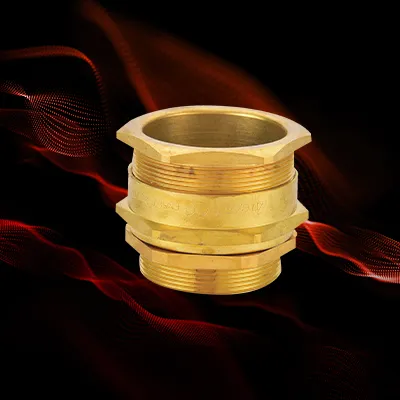
India is home to several trusted cable gland manufacturers known for producing durable and high-performance products. Leading names in the industry offer a wide range of cable glands, including IP68 cable glands and double compression brass cable glands designed to meet international safety standards.

Atlas Metal Industries, a reputed name in the Jamnagar brass industries, offers premium-quality cable glands with precision engineering. Known for their focus on durability, performance, and reliability, Atlas Metal Industries ensures that their products meet the stringent demands of industrial applications.

When choosing cable gland manufacturers in India, consider factors such as:

  • Product certification and compliance with international standards.
  • Material quality, ensuring corrosion resistance and longevity.
  • Availability of diverse sizes, referenced from an accurate cable gland size chart.

Cost-effective, Quality Products

Investing in high-quality cable glands ensures long-term performance and reduced maintenance costs. While cost considerations are vital, compromising on product quality can lead to safety risks and increased operational expenses. Leading cable gland manufacturers in India focus on balancing affordability with superior product performance.

By choosing trusted names like Atlas Metal Industries, you can ensure:

  • Durable materials like brass for superior corrosion resistance.
  • Comprehensive product testing for enhanced safety.
  • Custom solutions tailored to specific industry needs.

5. Common Mistakes in Electrical Earthing & How to Avoid Them

Mistakes during electrical earthing installation can compromise safety and lead to costly repairs. Common errors include:

  • Incorrect Electrode Placement: Placing the earthing rod in dry or rocky soil reduces conductivity. Ensure proper soil conditions for enhanced grounding.
  • Inadequate Depth of Rod Installation: Insufficient depth limits the electrode’s ability to dissipate fault currents effectively. Follow recommended depth guidelines for best results.
  • Neglecting Corrosion Protection: Corrosion can weaken earthing rods and electrodes over time. Using corrosion-resistant materials ensures durability.
  • Ignoring Routine Maintenance: Regular inspections are crucial for maintaining a functional earthing system. Periodic testing ensures optimal performance.

Avoiding these mistakes enhances electrical safety and improves system reliability.

Conclusion

Choosing the right cable gland manufacturers in India is crucial for ensuring the safety and longevity of your electrical installations. Understanding different earthing methods, selecting appropriate gland types, and using a reliable cable gland size chart are key steps for achieving effective cable management.

Looking for top-quality cable glands that meet industry standards? Contact Atlas Metal Industries for the best solutions!

For inquiries, reach us at sales@atlasmetalind.com or call us at +91-288 2730 944.
FAQs

IP68 cable glands provide superior protection against dust and water ingress, ensuring optimal performance in challenging environments.

Refer to a comprehensive cable gland size chart or electrical cable gland size chart to select the appropriate size based on cable diameter and installation requirements.

Brass and stainless steel are commonly preferred materials for cable glands due to their durability and corrosion resistance.

Atlas Metal Industries offers precision-engineered cable glands designed for durability, performance, and compliance with safety standards.

Yes, cable glands provide strain relief, sealing, and mechanical support even for indoor wiring systems, ensuring cable longevity and safety.

Ultimate guide to electrical earthing – Atlas Metal Industries
Categories Earthing Accessories

Ultimate Guide to Electrical Earthing: Methods, Components & Accessories

Ultimate Guide to Electrical Earthing: Methods, Components & Essential Accessories

Electrical earthing is a critical aspect of ensuring electrical safety in homes, industries, and commercial spaces. It helps protect people and equipment from electric shocks by providing a safe path for fault currents to dissipate into the ground. Understanding electrical earthing methods, components, and accessories is essential for maintaining a safe and efficient electrical system. This comprehensive guide will help you grasp the essentials of electrical earthing and highlight the importance of using quality accessories for reliable performance.

1. What is Electrical Earthing?

Electrical earthing refers to the process of connecting electrical installations to the earth’s conductive surface to prevent electric shocks, fires, and equipment damage. It diverts excess electrical charges safely into the ground, minimizing hazards.

The primary objectives of electrical earthing include:

  • Ensuring safety by preventing electric shocks.
  • Providing a stable voltage reference point.
  • Protecting electrical equipment from surges and lightning strikes.

A well-designed earthing system reduces the risk of electrical hazards and enhances the overall performance of the electrical network.

2. Types of Electrical Earthing Methods

There are several earthing methods used to enhance electrical safety tips and protect installations from potential risks. Common earthing types include:

1. Plate Earthing:

  • Utilizes copper or galvanized iron plates buried in the ground to disperse fault currents safely.

2. Pipe Earthing:

  • Involves inserting a galvanized steel pipe vertically into moist soil to provide effective grounding.

3. Rod Earthing:

  • Employs an earthing rod made of copper or steel driven into the ground to ensure effective fault current dissipation.

4. Strip or Wire Earthing:

  • Utilizes copper or galvanized iron wires connected directly to the earth electrode to distribute current safely.

5. Earthing Pole Systems:

  • Commonly used in electrical installations to provide a secure grounding system for transmission lines and industrial setups.

Choosing the right types of earthing systems is crucial for ensuring effective electrical grounding and enhancing overall electrical safety tips.

3. Key Components of an Earthing System

A reliable earthing system comprises several vital components that work together to ensure efficient grounding. These include:

1. Earth Electrode:

  • Typically made of copper, steel, or galvanized iron, these electrodes help discharge fault currents into the soil.

2. Earthing Rod:

  • An essential component used to create direct contact with the earth’s surface for effective grounding.

3. Earthing Wire or Strip:

  • Copper or galvanized iron wires that connect electrical installations to the earth electrode.

4. Earthing Pit and Chamber:

  • A designated area where the electrode is installed, often filled with conductive soil or compounds for enhanced performance.

5. Earthing Pole:

  • A structural element designed to provide a stable grounding system in larger installations.

Each component plays a vital role in maintaining a secure and efficient earthing system.

4. Essential Earthing Accessories for a Reliable System

To ensure durability and efficiency in your electrical earthing setup, using high-quality accessories is essential. Key accessories include:

1. Earth Clamps:

  • Ensure secure connections between conductors and earth rods.

2. Lightning Arresters:

  • Protect electrical systems from high-voltage surges caused by lightning strikes.

3. Inspection Pits:

  • Facilitate easy monitoring and maintenance of the earthing rod and electrode.

4. Earth Electrodes:

  • Provide a stable grounding point for electrical installations.

5. Earthing Conductors:

  • Copper or aluminum conductors that ensure effective fault current distribution.

By investing in durable, certified accessories from trusted suppliers like Atlas Metal Industries, you can achieve a safer and more efficient earthing system.

5. Common Mistakes in Electrical Earthing & How to Avoid Them

Mistakes during electrical earthing installation can compromise safety and lead to costly repairs. Common errors include:

  • Incorrect Electrode Placement: Placing the earthing rod in dry or rocky soil reduces conductivity. Ensure proper soil conditions for enhanced grounding.
  • Inadequate Depth of Rod Installation: Insufficient depth limits the electrode’s ability to dissipate fault currents effectively. Follow recommended depth guidelines for best results.
  • Neglecting Corrosion Protection: Corrosion can weaken earthing rods and electrodes over time. Using corrosion-resistant materials ensures durability.
  • Ignoring Routine Maintenance: Regular inspections are crucial for maintaining a functional earthing system. Periodic testing ensures optimal performance.

Avoiding these mistakes enhances electrical safety and improves system reliability.

6. Why High-Quality Earthing Accessories Are Essential?

Choosing premium earthing accessories is critical for achieving safe and long-lasting grounding systems. Reliable components enhance electrical conductivity, minimize energy loss, and reduce maintenance efforts.

Atlas Metal Industries, a leader in electrical components manufacturing, offers top-quality accessories that comply with international safety standards. Their precision-engineered solutions ensure reliable electrical earthing performance in residential, commercial, and industrial setups.

Conclusion

Proper electrical earthing is essential for ensuring the safety and stability of your electrical installations. By selecting appropriate earthing methods, investing in durable earthing accessories, and avoiding common installation mistakes, you can maintain a safe and efficient electrical system. Looking for top-quality electrical earthing accessories? Contact Atlas Metal Industries for the best solutions!

For inquiries, reach us at sales@atlasmetalind.com or call us at +91-288 2730 944.

FAQs

Routine inspection every 6 to 12 months is advisable to ensure optimal performance and maintain electrical safety tips.

Yes, copper earthing rods offer superior conductivity and corrosion resistance, making them a preferred choice for long-term performance.

An earthing pole ensures stable grounding for high-voltage equipment, protecting against electrical faults and improving safety.

Look for certified products with corrosion-resistant coatings and proper dimensions to meet industry standards.

Atlas Metal Industries provides top-quality earthing rods, clamps, conductors, and other accessories that ensure safe and effective grounding systems.

Common mistakes to avoid when installing cable glands
Categories Brass Pipe Fitting

Common Mistakes to Avoid When Installing Brass Fittings

Common Mistakes to Avoid When Installing Brass Fittings in Construction

Proper installation of brass fittings is crucial to ensuring the durability and efficiency of plumbing systems in construction. Mistakes during installation can result in leaks, pressure issues, or even system failures. By understanding common installation errors, you can improve safety, enhance system performance, and avoid costly repairs. This guide outlines common mistakes to avoid when installing brass pipe fittings in construction projects.

Choosing the Wrong Type of Brass Fittings

Selecting the wrong type of brass fittings is a common error that can compromise your system’s stability. Each type of brass fitting is designed for specific applications, and using the incorrect one may lead to performance issues or leaks.

Key Considerations:

  • Identify the required thread type, size, and pressure rating.
  • Match fittings to the appropriate pipe material, such as copper, PVC, or galvanized steel.
  • Ensure fittings are suitable for environmental conditions like temperature variations, moisture exposure, and chemical contact.

Choosing high-quality products from a reliable brass fitting manufacturer like Atlas Metal Industries ensures long-term performance in construction applications.

Ignoring Compatibility with Pipes and Other Materials

Failing to match brass fittings with compatible materials can result in corrosion or compromised durability.

Best Practices:

  • Use brass pipe fittings with copper pipes for stable and corrosion-free connections.
  • Avoid pairing brass fittings with galvanized steel pipes unless special precautions are taken to prevent galvanic corrosion.
  • Confirm that fittings are designed for the intended pipe type and installation environment.

Consulting with experts from Jamnagar brass industries can help you select the best fittings for your construction projects.

Over-Tightening or Under-Tightening Fittings

Both over-tightening and under-tightening brass fittings can lead to performance issues. Excessive force may crack the fitting, while insufficient tightening can cause leaks.

Solution:

  • Follow the manufacturer’s torque recommendations.
  • Use an adjustable wrench to achieve the ideal balance between secure connections and avoiding damage.

Following industry standards ensures your plumbing fittings remain secure and effective.

Not Considering Temperature and Pressure Ratings

Ignoring temperature and pressure limits can compromise the reliability of your brass pipe fittings and overall system.

Important Tips:

  • Select fittings designed to withstand the expected pressure levels in your system.
  • For high-temperature environments, ensure your brass fittings have heat-resistant properties.
  • Review technical specifications from trusted brass fitting manufacturers to match product ratings with your project’s needs.

Atlas Metal Industries offers certified brass fittings suitable for diverse temperature and pressure conditions.

Skipping Proper Cleaning and Maintenance

Even durable brass fittings require periodic cleaning and maintenance to ensure optimal performance. Dirt buildup, corrosion, or damaged fittings can lead to system failures.

Maintenance Tips:

  • Clean brass pipe fittings with mild cleaning agents or vinegar to remove tarnish.
  • Inspect fittings regularly for cracks, leaks, or discoloration.
  • Replace corroded or worn-out fittings promptly to maintain system integrity.

By sourcing quality plumbing fittings from Atlas Metal Industries, you reduce maintenance concerns and extend system life.

Using Low-Quality or Non-Certified Brass Fittings

Low-quality brass fittings may fail under pressure, deteriorate faster, or introduce contaminants into your system. Non-certified fittings can pose serious risks in construction projects.

Solution:

  • Choose products from reputable brass fitting manufacturers known for producing certified fittings.
  • Ensure your fittings meet ISO, ANSI, or BS standards to guarantee safety and quality.

Atlas Metal Industries delivers durable and certified brass pipe fittings that meet construction industry standards.

Failing to Follow Industry Standards and Codes

Ignoring safety standards can result in legal issues, system failures, or safety hazards.

Best Practices:

  • Familiarize yourself with applicable building codes and regulations.
  • Use certified brass fittings in construction projects to ensure compliance.
  • Seek guidance from trusted Jamnagar brass industries professionals for product recommendations and installation advice.

Conclusion

Avoiding common installation mistakes is essential to achieving durable, safe, and efficient plumbing systems in construction. By choosing high-quality products from trusted suppliers like Atlas Metal Industries, you can prevent costly errors and ensure long-lasting performance.

For durable and certified brass pipe fittings tailored for your construction projects, visit our website or contact us for expert guidance.

For inquiries, reach us at sales@atlasmetalind.com or call us at +91-288 2730 944.
FAQs

Certified brass fittings are marked with industry-standard certifications like ISO or ANSI. Always buy from reputable suppliers like Atlas Metal Industries.

Yes, brass pipe fittings are versatile and widely used in both residential and commercial plumbing systems.

Ensure proper tightening, use quality sealants or Teflon tape, and select fittings designed for your system's pressure and temperature conditions.

Jamnagar brass industries are known for producing precision-engineered brass fittings that ensure reliability in construction projects.

Routine inspection and cleaning every six months is recommended to ensure your brass fittings perform optimally.

ENQUIRE NOW