ENQUIRE NOW ENQUIRE NOW

Author Archives: Atlas Metal Industries

Categories Brass Components

Why Regular Inspection of Brass Fittings Matters in Industrial Setups

A Critical Step Often Overlooked

Industrial plumbing systems demand uninterrupted performance, efficiency, and reliability. One often underestimated element in maintaining these systems is the regular inspection of brass fittings. These components are essential for connecting plumbing pipes and fittings, ensuring leak-proof and pressure-safe operations in diverse environments. Over time, even the most durable fittings are subjected to wear, corrosion, or stress. That’s why routine inspection isn’t just best practice—it’s essential.

This blog highlights the importance of timely assessments for brass components, especially in industrial environments where failure can lead to significant downtime and costs. As a reputed brass components manufacturer in Jamnagar, Atlas Metal emphasizes the role of inspections to promote longevity, safety, and operational continuity.

Understanding Brass Fittings: The Backbone of Industrial Plumbing

Brass fittings are widely used in industrial systems due to their excellent machinability, corrosion resistance, and compatibility with various fitting applications. Common types include elbows, tees, unions, and brass pipe couplings, which serve as connectors in complex pipelines.

These fittings are preferred for high-temperature and high-pressure systems, making them indispensable in industries like manufacturing, chemical processing, oil & gas, and water treatment. They also function as valve brass components, controlling the flow of liquids or gases.

Knowing their characteristics, including strength, thermal conductivity, and resistance to scaling, helps industrial teams understand why ongoing inspection services are necessary. These qualities make brass a durable material, but not one that is immune to long-term stress and exposure.

The Need for Regular Inspection

Even the best-quality brass pipe couplings can degrade over time due to factors like mechanical stress, temperature variation, corrosion, or installation faults. Skipping regular inspections could result in:

  • Leakage or pressure drops
  • Pipe burst or system failure
  • Contamination of fluid or gas lines
  • Reduced system efficiency

In large-scale industrial facilities, such failures can lead to extensive downtime and financial loss. Regular inspection services help in identifying early signs of damage, corrosion, or misalignment, allowing timely replacements or repairs.

Atlas Metal, being a responsible brass components manufacturer in Jamnagar, always recommends a proactive inspection approach, especially in industries that handle hazardous or high-pressure media.

Key Areas to Inspect

Inspections should focus on critical areas where plumbing pipes and fittings are under stress or regularly exposed to harsh substances. Key inspection points include:

  1. Joint Connections: Where brass pipe couplings link different segments.
  2. Valve Areas: Where valve brass controls flow and pressure.
  3. Threaded Fittings: Likely points for loosening or leakage.
  4. Corrosion-Prone Zones: Areas exposed to chemicals, salt, or high humidity.

Visual checks, physical pressure testing, and tightness verification should be performed routinely. Understanding where failures are most likely to occur helps optimize fitting applications for longevity.

Inspection Methods and Tools

A comprehensive inspection should include the following methods:

  • Visual Inspection: Detects signs of surface corrosion, cracks, and leaks.
  • Pressure Testing: Checks for leaks or bursts under operating conditions.
  • Ultrasound or Radiographic Testing: Useful in identifying internal flaws.
  • Torque Measurement: Ensures threaded plumbing pipes and fittings are properly tightened.

Technicians should be trained to use these tools efficiently, and schedules should be logged for traceability. Partnering with certified inspection services enhances both safety and compliance.

Benefits of Regular Inspections

Regular inspections bring several long-term advantages to any industrial operation:

  • Prevents Unexpected Downtime
  • Extends Component Life
  • Improves System Efficiency
  • Ensures Safety Compliance
  • Reduces Long-Term Costs

For instance, catching early wear in a valve brass connector prevents larger malfunctions later. This proactive approach not only saves time and money but also enhances credibility in regulatory audits and performance evaluations.

Challenges in Inspection and How to Overcome Them

Industrial environments pose several challenges:

  • Limited Access to Fittings in complex pipelines
  • High Operational Pressure that discourages shutdowns
  • Lack of Documentation on inspection schedules
  • Overlooked Minor Issues like hairline cracks

Overcoming these challenges involves:

  • Creating detailed inspection plans
  • Scheduling during routine maintenance windows
  • Using portable and advanced inspection tools
  • Keeping updated records

By addressing these obstacles, industries can ensure that all plumbing pipes and fittings continue to perform reliably.

Maintenance Best Practices Post-Inspection

Once issues are identified, corrective steps should follow immediately. Recommended practices include:

  • Replacing worn-out or corroded brass pipe couplings
  • Retightening or resealing threaded components
  • Applying corrosion-resistant coatings if required
  • Lubricating moving parts in valve brass assemblies

Following these measures enhances durability and prevents recurrence. Moreover, establishing a recurring inspection and maintenance schedule solidifies operational standards across departments.

How Atlas Metal Supports Inspection & Maintenance Needs

As a trusted brass components manufacturer in Jamnagar, Atlas Metal doesn’t just supply products—it supports end-users with technical know-how, guidance on installation, and suggestions for regular inspection services.

Our precision-crafted brass pipe couplings and valve brass fittings undergo stringent quality checks, making them dependable for critical fitting applications. We also assist clients in designing inspection checklists and choosing the right tools for their unique operational conditions.

With decades of experience in supplying high-performance plumbing pipes and fittings, Atlas Metal remains committed to supporting your industrial systems with reliability and integrity.

Conclusion

The importance of regular inspection in industrial plumbing systems cannot be overstated. Whether you’re dealing with water lines, chemicals, or gases, ensuring your brass pipe couplings, valve brass, and other fittings are in top condition is critical for efficiency, safety, and cost control.

Through consistent inspection services and well-planned maintenance, organizations can extend component lifespan, avoid breakdowns, and comply with industry regulations. For reliable products and expert guidance, Atlas Metal continues to lead as the go-to brass components manufacturer in Jamnagar.

FAQs

Common signs include discoloration, leaks, low system pressure, and cracks in brass pipe couplings or around joints.

Visual checks are useful but should be supplemented with pressure and ultrasonic testing for deeper insight.

Neglecting inspection can lead to sudden leaks, contamination, or even complete system failure, especially in critical fitting applications.

While brass has good corrosion resistance, not all fittings are equally protected. Material quality, coating, and usage environment play a role.

Categories Brass Components

Comparative Analysis: Brass vs. Stainless Steel Components

Why Material Selection Matters in Modern Manufacturing

In today’s manufacturing world, choosing the right material is essential for long-term reliability, efficiency, and cost-effectiveness. Among the most commonly debated options are brass vs stainless steel. These materials are widely used across plumbing, construction, automotive, and industrial sectors, each offering unique advantages.

This comprehensive guide explores their properties, performance, and typical applications to help you make informed decisions. As a leading manufacturer of brass pipe fittings, Atlas Metal Industries emphasizes material education to support engineers, designers, and procurement professionals in choosing the right component for their system.

Material Properties Overview

Understanding the composition of stainless steel and brass provides the foundation for comparing their capabilities.

Brass is an alloy primarily made of copper and zinc. It is known for its excellent machinability, thermal conductivity, and aesthetic appeal.

Stainless steel, on the other hand, is an alloy composed of iron, carbon, and chromium, often enhanced with elements like nickel and molybdenum. The stainless steel composition gives it high tensile strength and resistance to oxidation.

Key stainless steel properties include:

  • High strength-to-weight ratio
  • Excellent formability
  • Resistance to high temperatures
  • Long service life

Brass, meanwhile, offers:

  • Low friction and wear
  • Superior acoustic and thermal properties
  • Easy casting and forging
  • Malleability even in cold temperatures

Understanding these fundamental properties helps determine suitability for specific environments and performance expectations.

Corrosion Resistance

Corrosion resistance is a critical factor in selecting materials for long-term use.

The corrosion resistance of brass is generally good, particularly in water-based environments. However, it may be susceptible to dezincification, especially in harsh or acidic conditions.

Stainless steel, thanks to its high chromium content, forms a passive oxide layer that protects it from rust and corrosion. Depending on its stainless steel composition, it can be highly resistant to a wide variety of chemicals, moisture, and temperature changes.

While both materials perform well under normal conditions, stainless steel typically offers superior resistance in highly corrosive or outdoor environments. This makes it ideal for marine applications, chemical plants, and food processing units.

Strength & Durability

When it comes to strength and durability, stainless steel properties are unmatched. It has a significantly higher tensile strength than brass, making it suitable for structural and load-bearing components.

Brass, while softer, is durable in its own right. It handles vibrations and mechanical wear well and is not prone to cracking under pressure. For many plumbing and instrumentation applications, its resilience and ease of maintenance make it an attractive option.

In heavy-duty industrial systems or environments with high pressure and stress, stainless steel remains the preferred material due to its hardness, wear resistance, and ability to retain mechanical properties over time.

Cost & Availability

Cost is often a deciding factor in material selection. Brass vs stainless steel components vary significantly in price.

Brass is generally less expensive than stainless steel, both in raw material cost and fabrication. Its machinability reduces production time and tool wear, offering cost savings during manufacturing.

Stainless steel, with its complex alloying elements and higher energy requirement for processing, comes at a premium. However, its long-term value and lower maintenance needs can offset the initial cost.

Availability for both materials is high. But in terms of global demand, stainless steel is used in a broader range of industries, potentially influencing price fluctuations and supply chain dynamics.

Machinability & Manufacturing

Brass is widely appreciated in the manufacturing industry for its excellent machinability. It can be easily cast, cut, and joined, allowing for precise and efficient production of complex shapes and fittings. Its lower melting point also makes it suitable for high-volume production with reduced energy usage.

In contrast, while stainless steel properties make it durable and strong, it is more difficult to machine. Higher tool wear and slower cutting speeds can increase manufacturing costs and lead times.

That said, advancements in CNC and fabrication technologies are closing the gap. When strength is a priority over ease of machining, stainless steel becomes the better option.

Environmental Impact

Both brass and stainless steel are recyclable, making them sustainable choices. Brass, being copper-based, is often recycled into new fittings and components with minimal energy.

Stainless steel is also 100% recyclable and retains its properties without degradation. Its long lifespan and reusability make it a preferred material in industries focused on reducing carbon footprint.

However, the extraction and processing of stainless steel involve higher energy usage due to its composition of stainless steel, which includes energy-intensive elements like nickel and chromium.

If energy efficiency and ease of recycling are top priorities, brass may offer slight environmental advantages.

Applications by Industry

The debate of brass vs stainless steel becomes more contextual when considering industrial use cases.

Brass is widely used in:

  • Plumbing fixtures
  • HVAC systems
  • Instrumentation fittings
  • Decorative hardware
  • Marine applications (non-corrosive environments)

Stainless steel is preferred in:

  • Chemical processing
  • Medical equipment
  • Structural components
  • Food & beverage processing
  • Outdoor and marine environments (corrosive)

Your choice should reflect the demands of your specific industry. Both materials are versatile, but understanding where each excels helps in reducing maintenance and improving system efficiency.

Choosing the Right Material: Key Considerations

Here are some important factors to help choose between brass vs stainless steel:

  1. Environment: Will the component be exposed to chemicals, moisture, or high temperatures?
  2. Load and Stress: Will it handle high pressure or weight?
  3. Fabrication Needs: Does the project require extensive machining or forming?
  4. Budget: Are upfront costs or lifecycle costs more important?
  5. Aesthetics: Do appearance and finish matter for the end use?

For quick prototyping and cost-effective production, brass may be the better choice. For high-performance, high-durability applications, stainless steel stands out.

At Atlas Metal Industries, our team can help you evaluate these parameters and recommend the ideal material for your application.

Conclusion

Both brass and stainless steel are valuable materials in the manufacturing world, each offering a range of benefits. While brass is known for its affordability, ease of machining, and solid corrosion resistance, stainless steel offers unmatched strength and superior performance in harsh environments.

The final decision depends on application needs, budget, and operating environment. Understanding the stainless steel properties, corrosion resistance of brass, and the broader comparison of brass vs stainless steel can guide better, more sustainable choices in your design or procurement process.

FAQs

Yes, brass is usually more affordable both in terms of raw materials and ease of machining. It also reduces manufacturing time, making it cost-effective for many applications.

Comparative Analysis: Ball Valves vs. Gate Valves
Categories Brass Components

Comparative Analysis: Ball Valves vs. Gate Valves

Comparative Analysis: Ball Valves vs. Gate Valves

Understanding the Role of Industrial Valves

In every plumbing or fluid handling system, valves play a critical role. Whether you are controlling flow, shutting off water supply, or regulating pressure, selecting the right valve ensures long-term efficiency and reliability. Two commonly used types are ball valves and gate valves—each with unique strengths and ideal applications.

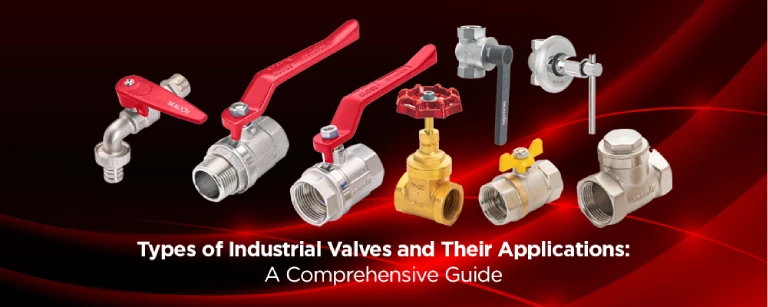
For engineers, technicians, and procurement specialists, understanding the difference between ball valve and gate valve is vital when choosing the right component for a system. Both types are widely used in residential, commercial, and industrial valves applications, and each has distinct performance characteristics.

At Atlas Metal Industries, a reputed name among ball valve manufacturers and gate valves manufacturers in India, we believe that informed decisions lead to better outcomes. This comprehensive guide compares the two valve types and will help you answer critical questions such as when to use a ball valve vs gate valve, how they operate, and what factors you should consider when purchasing them.

What is a Ball Valve? Features and Functionality

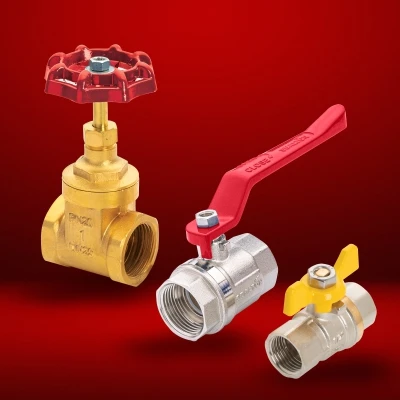
A ball valve is a type of shut-off valve that uses a spherical disc to control the flow of liquid or gas. The ball has a hole through the middle—called a bore—and when the bore is aligned with the pipeline, the valve is open. When turned 90 degrees by the handle, the bore is perpendicular to the flow path, and the valve closes. This quick action makes it highly efficient in fluid control systems.

Among industrial valves, ball valves are valued for their precision, low torque operation, and tight sealing even under high pressure. They are commonly used in systems requiring quick shut-off, such as gas pipelines, chemical distribution networks, and water supply lines.

One major advantage of ball valves is their minimal pressure drop and low wear. Since they open and close quickly, the internal components endure less friction compared to other valve types. This extends their lifespan significantly.

Leading ball valve manufacturers produce variants like full-port, reduced-port, and V-port ball valves to cater to different flow requirements. They are also compatible with various materials, including stainless steel pipe fittings, brass, and PVC, making them highly versatile for industrial and residential systems.

What is a Gate Valve? Function and Design Overview

A gate valve is a linear motion valve that uses a flat or wedge-shaped gate to stop or allow flow. Unlike ball valves, gate valves require multiple turns to open or close, offering a gradual shut-off. They are generally not suitable for flow regulation and are best used in fully open or fully closed positions.

Gate valves manufacturers in India and across the world primarily use these valves in large pipelines where flow control is not frequently needed. Their design ensures minimal obstruction when fully open, resulting in very low pressure drops. This makes them suitable for high-flow applications in waterworks, oil and gas pipelines, and large industrial systems.

Gate valves are typically installed with stainless steel pipe fittings for added strength and resistance to corrosion, especially in harsh environmental conditions. The slow closing mechanism reduces the risk of water hammer—a pressure surge caused when a fluid in motion is forced to stop or change direction suddenly.

Though they require more space and effort to operate, gate valves are ideal for systems where flow isolation is more important than frequent operation. When maintained well, these industrial valves offer long-term service without compromising flow rate.

Comparative Analysis: Ball Valves vs. Gate Valves

Understanding the core difference between ball valve and gate valve helps users make informed choices in both domestic and industrial applications.

CriteriaBall ValveGate Valve
OperationQuick 1/4 turnMulti-turn (slow operation)
Flow ControlExcellent for on/off, not throttlingNot ideal for throttling
Sealing CapabilityTight shut-offGood seal when fully closed
Space RequirementCompactRequires more space
DurabilityHigh; less wearModerate; gate may wear over time
MaintenanceMinimalRequires periodic inspection
CostSlightly higher upfrontUsually more economical
Ideal UseGas, chemicals, water supplyWater mains, industrial flow isolation

In short, when to use a ball valve vs gate valve depends largely on how often the valve is operated, the required speed of shut-off, and space constraints. Ball valves offer quicker action, while gate valves are better for low-frequency shut-off in larger systems.

Both options can be coupled with stainless steel pipe fittings for additional durability and corrosion resistance, ensuring compatibility with a wide range of systems.

Pros and Cons

Ball Valves

Pros:

  • Quick shut-off with 90° turn
  • Minimal leakage and excellent sealing
  • Long service life with low maintenance
  • Compact and easy to install
  • Suitable for gas and liquid applications

Cons:

  • Not ideal for throttling or partial open states
  • Slightly higher initial cost
  • May not perform as well with debris-laden fluids

Gate Valves

Pros:

  • Excellent for full open or close positions
  • Minimal pressure drop in open position
  • Lower cost for larger sizes
  • Less prone to water hammer
  • Ideal for larger diameter pipelines

Cons:

  • Slower operation
  • Bulky design
  • More prone to wear in frequent-use systems
  • Not effective for partial flow control

Choosing between the two often depends on the specific industrial or residential requirement. That said, both are foundational elements in the catalog of reliable industrial valves.

Choosing the Right Valve: Considerations and Recommendations

Choosing the right valve isn’t just about preference—it’s about performance, safety, and compatibility. Here are some key considerations:

Considerations:

  1. Frequency of Use – If the valve needs to be opened and closed frequently, go for a ball valve.
  2. Space AvailabilityBall valves are more compact and suitable for tight installations.
  3. Fluid Type – For clean fluids, both are suitable. For slurries or dirty fluids, avoid ball valves as debris can hinder sealing.
  4. Flow Requirements – If complete flow isolation is required with infrequent operation, gate valves are more appropriate.
  5. Material Compatibility – Always ensure the valve is compatible with the piping material, such as stainless steel pipe fittings.
  6. Budget – While ball valves may cost more initially, their lower maintenance often balances the investment.

Recommendations:

  1. Use ball valves in systems requiring speed, reliability, and frequent operation—like residential lines, gas systems, and chemical units.
  2. Choose gate valves for large-scale projects with infrequent flow interruptions—like municipal water lines and bulk industrial applications.
  3. Work with reliable ball valve manufacturers or gate valves manufacturers in India to ensure quality, durability, and after-sales support.

Atlas Metal Industries offers a curated range of industrial valves with precision engineering and industry-leading durability—crafted to meet the demands of both domestic and global markets.

The Role of Brass Fittings in Modern Plumbing Systems
Categories Brass Components

The Role of Brass Fittings in Modern Plumbing Systems

As urban infrastructure grows and the demand for efficient plumbing solutions increases, the materials used in these systems become even more critical. Among the wide variety of options available, brass fittings have emerged as a trusted and reliable choice across residential, commercial, and industrial pipe and fittings applications. Their unmatched strength, corrosion resistance, and versatility make them a staple in plumbing design.

At the heart of many modern systems, brass pipes and fittings ensure smooth water flow, minimal maintenance, and long-lasting durability. Whether it’s a high-rise apartment, a manufacturing unit, or a commercial building, the role of brass fittings in maintaining seamless plumbing cannot be overstated.

In this blog, we will explore what brass fittings are, their advantages, usage in various plumbing scenarios, comparison with other materials, and why they continue to be the top pick for industry professionals. If you’re seeking high-performance plumbing accessories backed by trusted pipe fittings manufacturers, read on to discover why brass fittings are the way forward.

Understanding Brass Fittings: A Time-Tested Material

Brass fittings are connectors made from an alloy of copper and zinc, widely used in plumbing systems to join, regulate, or terminate sections of piping. These plumbing accessories are manufactured in various forms—elbows, tees, coupling pipe fitting, adapters, brass compression fittings, and more—allowing for customization based on plumbing needs.

Brass plumbing fittings are preferred not only for their robust structure but also for their compatibility with both hot and cold water systems. This makes them a universal component across plumbing projects. Whether it’s a residential kitchen or an industrial pipe and fittings setup, brass fittings provide a reliable connection that minimizes leaks and enhances system integrity.

A notable type in this category is brass compression fittings, which allow for quick, tool-free installation while ensuring a tight seal. These are often used in situations where welding or soldering is impractical, making them a convenient solution for quick repairs and flexible designs.

With a significant demand in the U.S. market, brass fittings USA-based standards are often a benchmark for quality worldwide. As reliable brass fittings manufacturers, companies like Atlas Metal ensure that every component meets the highest standards of precision, performance, and safety.

Advantages of Brass Fittings in Plumbing Systems

Brass pipes and fittings offer a series of well-recognized advantages that make them suitable for modern plumbing systems. First and foremost, brass is highly corrosion-resistant. This ensures that fittings can withstand years of use without rusting, scaling, or degrading—especially important for applications involving water.

Secondly, brass plumbing fittings offer exceptional durability. They are less prone to cracking or breaking under pressure, making them ideal for both high-pressure and high-temperature applications. This characteristic is particularly beneficial for industrial pipe and fittings systems, where reliability is non-negotiable.

In addition, brass fittings are easy to install and customize. Their malleability allows for complex shapes and sizes, while still retaining their strength. This makes coupling pipe fitting solutions much more manageable during installation or repair work.

Another major benefit is brass‘s antibacterial properties, which reduce the risk of microbial growth inside pipes—a vital feature for drinking water systems. This, combined with leak-free connections from brass compression fittings, contributes to safer and more hygienic plumbing networks.

Finally, brass fittings are compatible with a wide range of materials, including copper, plastic, and steel pipes. This compatibility makes them one of the most adaptable plumbing accessories available in the market today.

Applications of Brass Fittings in Modern Plumbing

The versatility of brass fittings extends across a wide array of applications. From household taps and valves to complex industrial pipe and fittings, brass plumbing fittings are used in nearly every plumbing context.

In residential settings, brass fittings are typically used in kitchens, bathrooms, and utility areas due to their ability to handle both hot and cold water efficiently. For example, a brass coupling pipe fitting is often used to connect water heaters or boilers to the main water supply.

Commercial spaces like hotels, hospitals, and office buildings also benefit from the reliability of brass pipes and fittings. These environments require constant water flow and minimal downtime, making brass fittings the ideal solution for their plumbing systems.

In industrial applications, where the plumbing infrastructure must withstand higher pressures and chemical exposure, brass excels. Industrial pipe and fittings made from brass are commonly used in gas lines, chemical transport, and HVAC systems due to their thermal stability and resistance to corrosion.

Moreover, brass fittings are integral components in irrigation systems, fire safety infrastructure, and even marine plumbing. Their unmatched reliability ensures safety and performance across sectors.

As one of the leading brass fittings manufacturers, Atlas Metal ensures that every product meets industry-specific demands with precision, longevity, and quality.

Brass vs. Other Materials: A Comparative Analysis

When choosing plumbing accessories, it’s essential to evaluate performance, longevity, and cost. Brass fittings outperform many alternatives on these fronts.

  • Brass vs. Plastic: Plastic fittings, although lightweight and inexpensive, can degrade over time—especially when exposed to heat or sunlight. They may also warp under high pressure. Brass fittings, on the other hand, offer excellent temperature resistance and far superior durability.
  • Brass vs. Steel: Steel is strong but prone to corrosion unless it’s stainless. It’s also heavier and can be harder to install. Brass plumbing fittings offer corrosion resistance without needing protective coatings, reducing long-term maintenance.
  • Brass vs. Copper: While copper pipes are widely used, copper fittings can be less flexible and more expensive than brass. Brass provides a balanced combination of strength, malleability, and affordability.

In summary, brass compression fittings and other brass pipe solutions offer the best of all worlds—strength, longevity, and ease of installation—making them the preferred choice of professional pipe fittings manufacturers and users.

Maintenance and Longevity of Brass Fittings

One of the standout features of brass pipes and fittings is their long service life. On average, well-installed brass fittings can last anywhere from 40 to 70 years, depending on usage and environmental factors. This makes them a cost-effective choice in the long run.

Routine maintenance is minimal. Unlike materials that rust or scale, brass remains clean and operational for years. Occasional checks for tightness and seal quality are typically sufficient to maintain their performance.

Additionally, brass compression fittings offer a leak-proof seal that remains intact even under fluctuating temperatures and pressures. This reduces the chances of costly repairs or emergency maintenance.

Because they resist corrosion, brass plumbing fittings are especially advantageous in areas with hard water. Their durability under stress makes them ideal for both high-rise residential buildings and large-scale industrial pipe and fittings operations.

As leading pipe fittings manufacturers, Atlas Metal provides robust brass fittings that require little maintenance but deliver high performance over decades of use.

Environmental and Health Considerations

In today’s world, environmental and health safety is just as important as performance. Brass fittings excel in both.

Brass is a recyclable material, contributing to sustainable manufacturing practices. Discarded brass fittings can be melted and reused, reducing environmental impact and conserving raw materials. Atlas Metal is committed to these eco-friendly practices, ensuring responsible production processes.

Health-wise, brass pipes and fittings are safe for potable water systems when manufactured according to lead-free guidelines. Modern brass plumbing fittings, especially those produced by reputed brass fittings manufacturers, are designed to comply with health standards and eliminate the risk of contamination.

Brass also naturally inhibits bacterial growth. This makes it ideal for healthcare, hospitality, and food-related plumbing accessories. Combined with a long lifecycle, this reduces material waste and supports sustainable infrastructure.

Choosing brass fittings not only enhances system performance but also aligns with global goals for safer, cleaner, and greener plumbing solutions.

Brass Fittings – A Smart Choice for Every System

From strength and safety to sustainability and performance, brass fittings check every box. Their ability to endure pressure, resist corrosion, and provide long-lasting connections makes them an irreplaceable component in modern plumbing.

Whether you are a contractor, architect, or homeowner, investing in quality brass pipes and fittings from trusted pipe fittings manufacturers like Atlas Metal ensures peace of mind and long-term value.

The next time you’re designing or upgrading a plumbing system, remember that quality plumbing accessories lay the foundation for durability. Choose brass. Choose excellence.

FAQs

Yes. When manufactured to meet industry standards, brass pipes and fittings are safe for potable water. They resist microbial growth and ensure clean water flow.

Brass compression fittings and other types can handle extreme conditions, making them ideal for industrial pipe and fittings systems involving heat and pressure.

Absolutely. Brass plumbing fittings are versatile and suitable for homes, offices, and even large-scale industrial pipe and fittings systems.

Brass fittings can last up to 70 years with minimal maintenance, offering a long-term solution that reduces costs over time.

Categories Brass Components

Explosion-Proof Cable Gland Exporter

In hazardous environments where electrical safety is paramount, choosing the right cable accessories can prevent catastrophic incidents. Explosion-proof cable glands are essential for ensuring secure cable entry in environments prone to gas leaks, dust, or flammable substances. Designed to prevent explosions from spreading, these specialized glands are critical in industries such as oil & gas, petrochemicals, mining, and manufacturing.

Atlas Metal Industries Pvt Ltd, a trusted cable gland exporter in India, offers ATEX-approved explosion-proof cable glands designed to meet stringent safety standards. With a focus on durability and reliability, their products deliver superior performance even in the most demanding conditions.

Features of ATEX Approved Explosion-Proof Cable Glands

1. Solid Build

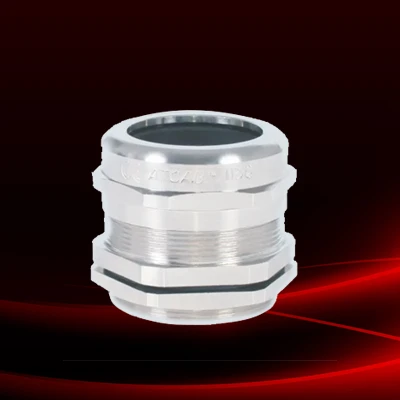
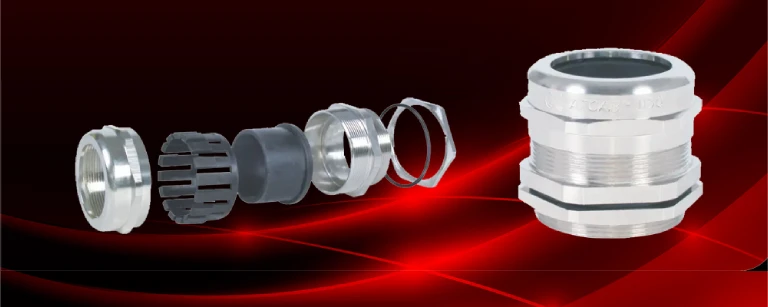
Explosion-proof cable glands are constructed using robust materials like brass and stainless steel. This solid build enhances mechanical strength and ensures resistance to corrosion, heat, and impact. The superior strength of Atlas Metal Industries’ explosion-proof cable glands ensures they withstand extreme conditions, ensuring long-term reliability.

2. Superior Sealing Mechanism

A secure sealing mechanism is vital to prevent the entry of dust, moisture, or flammable gases. ATEX-certified explosion-proof cable glands from Atlas Metal Industries are equipped with advanced seals that create an airtight and watertight barrier, minimizing potential hazards.

3. Flame Retardant Design

Explosion-proof cable glands are designed to prevent the propagation of flames in hazardous areas. Their innovative flame-retardant design restricts ignition points from traveling through cables, ensuring added safety in volatile environments.

4. Wide Cable Compatibility

Atlas Metal Industries’ explosion-proof cable glands are engineered to accommodate various cable gland types, including armored and unarmored cables. This versatility ensures compatibility with diverse industrial installations, reducing the need for additional components.

5. ATEX Certification Marking

ATEX certification ensures compliance with European safety regulations for explosive atmospheres. Atlas Metal Industries’ explosion-proof cable glands proudly bear the ATEX marking, signifying their suitability for use in high-risk environments.

6. Temperature Resistance

In industries with extreme temperature variations, cable glands must endure both high heat and freezing conditions. Atlas Metal Industries’ explosion-proof cable glands are designed to perform reliably across a broad temperature range, ensuring stability in fluctuating conditions.

7. Easy Installation

Explosion-proof cable glands from Atlas Metal Industries feature user-friendly designs that simplify installation. Their threaded designs ensure secure fitting, while clear markings guide installers through the process, reducing errors and enhancing efficiency.

Why Installing Explosion-Proof Cable Glands Matters?

Explosion-proof cable glands play a crucial role in ensuring electrical safety in hazardous environments. Without these specialized components, electrical sparks or short circuits can ignite flammable substances, resulting in catastrophic explosions. Key benefits include:

  • Enhanced Safety: Explosion-proof cable glands act as barriers, preventing ignition sources from spreading.
  • Compliance Assurance: ATEX-approved glands meet international safety standards, ensuring legal compliance.
  • Improved Equipment Longevity: By sealing cables securely, explosion-proof glands minimize dust and moisture ingress, protecting electrical systems.
  • Reduced Maintenance Needs: Durable construction ensures minimal wear and tear, reducing maintenance costs.

Atlas Metal Industries’ explosion-proof cable glands are trusted by industries worldwide for their superior performance in hazardous environments. As a reliable cable gland exporter, they prioritize safety and deliver products that meet global standards.

Conclusion

When it comes to safeguarding electrical systems in hazardous environments, investing in high-quality explosion-proof cable glands is non-negotiable. Atlas Metal Industries Pvt Ltd stands out as a trusted cable gland exporter offering ATEX-approved solutions that ensure durability, safety, and performance.

By choosing Atlas Metal Industries, industries gain access to precision-engineered explosion-proof cable glands designed to meet stringent safety regulations. Whether for oil & gas facilities, chemical plants, or mining operations, Atlas Metal Industries provides reliable solutions to secure electrical installations effectively.

Visit our website to learn more about our products and services and find the perfect solution for your needs.

For inquiries, reach us at sales@atlasmetalind.com or call us at +91-288 2730 944.

ENQUIRE NOW