ENQUIRE NOW ENQUIRE NOW ENQUIRE NOW

Tag Archives: industrial cable glands

aluminium cable gland
Categories Cable Gland

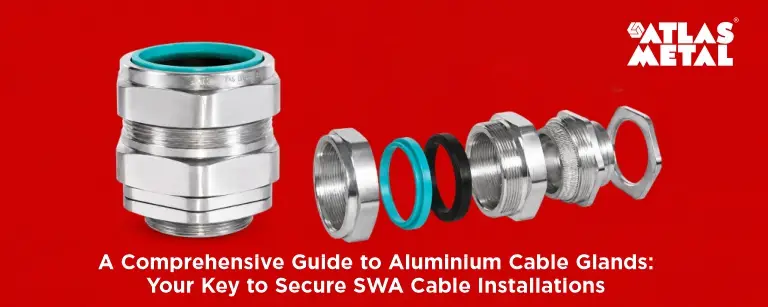
A Comprehensive Guide to Aluminium Cable Glands: Your Key to Secure SWA Cable Installations

Modern electrical systems demand strong, durable, and reliable components that ensure safety, continuity, and long-term performance. Among these components, aluminium cable glands play an essential role in securing SWA (Steel Wire Armoured) cable installations. These glands provide protection, create sealed entry points, and maintain the mechanical stability needed in industrial and commercial environments.

Their importance has grown significantly with the increasing use of armored cables in sectors where protection from environmental exposure is crucial. Whether it is selecting the right IP66 cable gland, choosing the correct CW type gland, or ensuring precise sizing, every element contributes to the safety of the installation. When installed properly, aluminium cable glands help maintain electrical bonding, reduce strain, prevent moisture ingress, and extend cable life.

This comprehensive guide explains everything you need to know—what aluminium cable glands are, why they matter in SWA installations, how CW type glands function, which cable gland accessories are essential, and how to choose the correct aluminium cable gland sizes. It also highlights the importance of choosing a trusted cable gland manufacturer capable of delivering consistent quality for demanding projects.

What Are Aluminium Cable Glands?

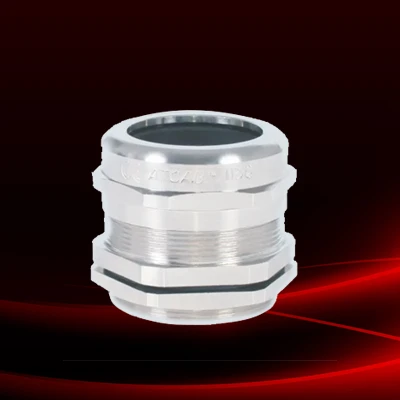
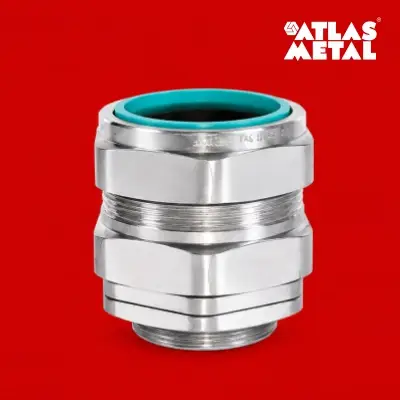
Aluminium cable glands are designed to secure and protect cable entry points in electrical equipment and enclosures. Made from high-grade aluminium, these glands offer a lightweight yet strong solution for mechanical support and environmental sealing. They are widely used for SWA cables due to their ability to withstand regular wear, resist corrosion in normal environments, and maintain reliable performance across a range of applications.

A key benefit of using an aluminium cable gland is the balance it provides between cost-effectiveness and durability. Since aluminium is naturally resistant to certain forms of corrosion and is easy to machine, it allows manufacturers to produce components with consistent accuracy. This makes them suitable for industrial cable glands that must endure vibration, mechanical pressure, or fluctuating temperatures.

These glands also support strain relief by gripping the cable firmly, preventing unwanted movement that may damage internal conductors. Industries such as construction, automation, general wiring, telecommunications, and electrical distribution rely on aluminium cable glands for dependable cable termination.

When paired with the correct SWA cable gland configuration, aluminium glands ensure the armour of the cable is properly clamped, allowing secure earthing and bonding. Their use extends across environments where weight reduction, reliable sealing, and long-term safety are priorities.

Importance of SWA Cable Glands in Secure Installations

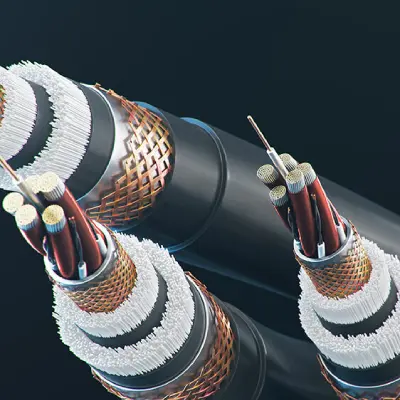
SWA cables are commonly used in installations that require strong mechanical protection. However, the cable alone cannot ensure complete protection without the right gland. This is where SWA cable glands become essential. They help maintain the structural integrity of armored cables by holding both the inner sheath and armour securely in place.

The strength of an SWA cable can only be fully utilized when the gland is capable of providing reliable locking, sealing, and electrical bonding. Without proper termination, the armour may not be grounded correctly, which can lead to safety risks. When you use an aluminium cable gland suitable for SWA cables, the gland ensures that the armour is clamped effectively, providing mechanical strength and earthing continuity.

SWA glands also protect electrical equipment from moisture, dust, vibration, and pressure. This remains important in harsh environments such as manufacturing units, outdoor electrical poles, solar installations, and control panels. The ability of the gland to maintain a secure seal reduces the risk of corrosion, accidental loosening, or short circuits.

When selecting SWA cable gland solutions, it is important to work with a reliable cable gland manufacturer that can provide accurate sizing, high-strength materials, and compliance with international standards. Aluminium cable glands are often preferred for their balance of performance and weight, making them ideal for large-scale or elevated installations where lighter components reduce overall load.

Exploring CW Type Glands for SWA Cables

CW type glands are widely used in armoured cable installations due to their strong construction and ability to clamp the armour securely. The “CW” term refers to the way the gland supports both sealing and armouring. For SWA cables, the CW type gland ensures the armour is properly terminated while maintaining an effective environmental seal on the outer sheath.

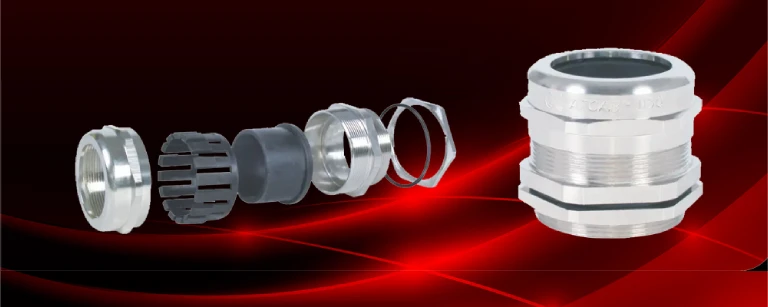
These glands are suitable for outdoor and indoor applications where additional protection is needed. Aluminium CW type glands provide a lightweight option that still offers dependable strength and stability. Their design includes components such as the gland body, compression nut, sealing rings, and locknuts that work together to create a tight fit around the cable.

CW glands also support consistent electrical bonding, which is necessary to maintain safety in installations where grounding plays a role in preventing electrical faults. When using aluminium cable glands with SWA cables, CW type designs ensure that the armour is not only clamped but also bonded to the gland body for safe dissipation of fault currents.

Industries such as power distribution, manufacturing, heavy machinery, and infrastructure development rely on CW type glands due to their ability to maintain secure connections even in environments with dust or moisture exposure. By using a CW gland, the installation becomes more reliable and compliant with safety norms, making it the preferred choice for SWA cable termination.

Cable Gland Accessories You Should Know About

Cable glands work best when paired with the right cable gland accessories. These accessories enhance the performance of the gland and ensure proper installation. They include:

Locknuts

Locknuts secure the gland to the panel or enclosure, ensuring a firm and stable mount.

Earth Tags

Earth tags provide a path for electrical bonding between the gland and the equipment. When working with SWA cables, earth tags become important for grounding continuity.

Reducers and Adaptors

Reducers help fit glands into smaller entry holes, while adaptors allow for different thread conversions.

Shrouds

Shrouds protect the gland from dust, moisture, and environmental contamination.

Sealing Washers

These are used to create a weather-tight seal, especially in outdoor or wet locations.

Using the correct accessories ensures that the aluminium cable gland performs as intended. Accessories improve sealing, enhance electrical bonding, and eliminate gaps or looseness that may compromise safety.

When selecting accessories, it is advisable to choose products from the same cable gland manufacturer, as compatibility helps maintain accuracy and performance. Industrial setups depend on complete and secure termination systems, making accessories essential for long-lasting installations.

Ensuring Reliable Electrical Bonding with Cable Glands

Electrical bonding is an important safety requirement in SWA cable installations. It ensures that all metallic parts, including the cable armour and gland, remain at the same electrical potential. If there is a fault, the current flows safely to the ground, preventing hazards.

Aluminium cable glands, especially CW type glands, are designed to support proper electrical bonding. They clamp the armour tightly, creating a conductive path between the cable’s metallic layers and the equipment. When used with earth tags, locknuts, and bonding accessories, the system becomes fully grounded and compliant with safety standards.

Bonding prevents the build-up of static charges, reduces the risk of electric shock, and ensures quick circuit disconnection in case of faults. This is especially important in industrial, outdoor, and high-load environments where mechanical stress and electrical loads are higher.

Bonding is not optional—it is a requirement for SWA cable gland installations. Ensuring that the aluminium cable gland is installed correctly and tested for continuity adds an extra layer of protection and supports long-term system reliability.

IP66 Cable Glands: Why Protection Rating Matters

The IP (Ingress Protection) rating of a cable gland determines how well it can protect against dust and water. An IP66 cable gland offers complete protection against dust and strong protection against water jets. This makes it suitable for outdoor installations, industrial environments, and locations exposed to moisture or debris.

When using aluminium cable glands in SWA installations, choosing IP66 ensures that the gland prevents dust particles from entering the enclosure. It also ensures the system remains protected during rainfall or cleaning processes that involve water pressure.

IP66 protection is frequently required in electrical distribution boards, solar installations, outdoor lighting, and industrial control panels. Using a gland with this rating ensures long-term reliability, reduces maintenance needs, and protects expensive electrical infrastructure.

When working with a cable gland manufacturer, it is important to confirm that the product meets certified IP standards. This ensures quality and protection across all applications.

Aluminium Cable Gland Sizes and Selection Guide

Choosing the correct aluminium cable gland sizes ensures compatibility with the cable diameter and armour thickness. Accurate sizing prevents the gland from becoming loose or overtightened, both of which can compromise safety.

The selection process includes:

  • Measuring the cable’s inner and outer sheath diameters
  • Identifying armour type and thickness
  • Checking the gland’s thread type
  • Matching the gland’s size with the enclosure entry hole

A trusted cable gland manufacturer provides detailed charts that list compatible sizes for SWA cables. Using these charts helps ensure precision and reduces installation errors.

Choosing the Right Cable Gland Manufacturer

The quality of aluminium cable glands depends heavily on the manufacturer. A trusted cable gland manufacturer ensures:

  • High-grade aluminium processing
  • Accurate machining
  • Consistent sizing
  • Certified IP protection
  • Reliable accessories
  • Strong quality checks

Atlas Metal, with its long-standing expertise in producing high-precision components, ensures that each aluminium gland meets international standards for industrial cable glands.

Industrial Cable Glands: Applications Across Industries

Industrial cable glands are used in:

  • Manufacturing plants
  • Power distribution
  • Renewable energy
  • Automation systems
  • Railway and infrastructure projects
  • Construction and heavy machinery
  • Outdoor electrical networks

Aluminium cable glands provide lightweight yet strong solutions suited for these diverse applications.

Conclusion

Aluminium cable glands are essential for safe and reliable SWA installations. With the right gland type, correct size, suitable accessories, and proper bonding, electrical systems can operate safely and efficiently. Choosing the right cable gland manufacturer ensures long-term performance and dependable quality.

FAQs

Single compression glands are used for indoor cable terminations where basic sealing is needed.

Metric and PG glands differ in thread profiles used for enclosures.

They can be used where corrosion levels are moderate.

Yes, they protect against rain, dust, and UV exposure.

Control panels often use specially rated glands that ensure sealing and strain relief.

Yes, double compression glands provide stronger environmental sealing.

Periodic inspection helps ensure that sealing components remain intact.

Yes, IP-rated glands protect against moisture exposure in underground installations.
Categories Cable Gland

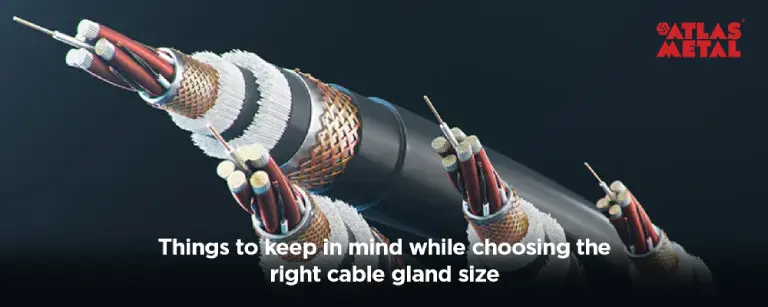
Things to keep in mind while choosing the right cable gland size

As a leader in the metal industry for over 25 years now, we at Atlas Metal understand the significance of choosing the correct size of a cable gland for various applications. Therefore, in this blog post, we will explore the importance of selecting the right size of cable glands and the steps and parameters that help us to choose one.

Choosing the right size of cable glands is of paramount importance to ensure the effectiveness and safety of electrical and lightning safety solutions. A wrong-sized cable gland can lead to numerous issues, such as inadequate sealing, poor cable retention, and compromised performance. It can also result in potential hazards like electrical failures, and short circuits. By understanding the importance of selecting the correct size, you will be able to ensure optimal functionality, reliable connections, and enhanced safety in your electrical installations.

Now, before determining the suitable size for cable glands let us understand the various types of cable glands.

Types of Cable Glands

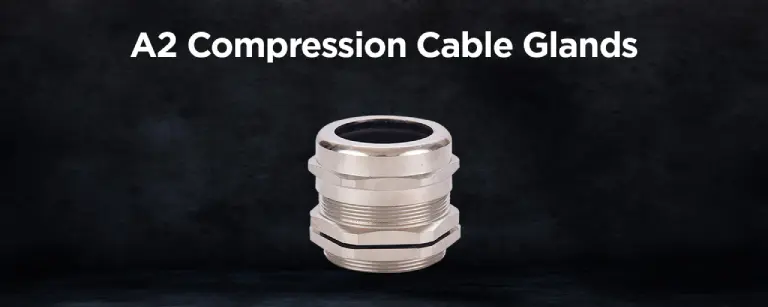
1. A2 Compression Cable Glands

A2 Compression Cable Glands is a reliable choice for secure and efficient cable connections, providing excellent strain relief and sealing capabilities while ensuring optimal performance in various industrial applications.

2. ATEX Cable Glands

Designed to meet strict safety standards for use in hazardous environments, ATEX cable glands are specifically engineered to prevent the ignition of explosive gases and dust, providing reliable sealing and protection.

3. Aluminium Cable Glands

Aluminium Cable Glands are known for their lightweight yet durable construction, offering excellent corrosion resistance. They are ideal for applications where weight reduction and robust protection are required.

4. E1W Cable Glands

E1W Cable Glands provide exceptional sealing against moisture and dust ingress, making them suitable for both indoor and outdoor installations. These glands are widely used to ensure reliable connections in harsh environments.

5. CW 3 PT Cable Glands

CW 3 PT Cable Glands offer superior cable retention and sealing capabilities, making them a popular choice for heavy-duty applications. They provide effective protection against environmental factors such as dust, water, and mechanical stress.

Atlas Metal manufactures a diverse range of cable gland solutions under the banner ATCAB, including, A2 compressor cable glands and aluminium cable glands. The cable glands are tailored to meet the varied requirements of industries.

What Factors To Consider While Choosing A Right Cable Gland Size

When selecting the right cable gland size, several factors should be taken into consideration to ensure optimal performance and safety.

1. Cable Diameter

Measure the outer diameter of the cable accurately to determine the appropriate gland size that provides a snug fit without excessive compression or strain.

2. Cable Material

Different cable materials have varying flexibility and thickness, affecting the required gland size. Consider the characteristics of cable materials to select a compatible size.

3. Installation Method

Consider the installation process and available tools. Ensure that the chosen gland size aligns with the installation method, whether it’s thread or compression-based.

4. Sealing Requirements

Determine the level of ingress protection needed. Ensure that the selected gland size offers adequate sealing to prevent the entry of dust, water, or other contaminants.

5. Cable Retention

Check the weight and movement of the cable. Choose a cable gland size that provides sufficient grip and strain relief to keep the cable securely in place.

Steps To Determine The Correct Cable Gland Size

Follow the steps given below to determine the appropriate cable gland size and ensure a proper fit.

1. Measure The Cable Diameter

Accurately measure the outer diameter of the cable using callipers or a measuring tape. This measurement is crucial in determining the appropriate gland size that provides a secure fit without excessive compression or strain.

2. Determine The Thread Size And Length

Identify the thread size and length required for the installation. This will ensure compatibility between the cable gland and the equipment or enclosure where it will be installed, providing a proper and secure connection.

3. Select The Correct Cable Gland Size

Refer to cable gland size charts provided by manufacturers or industry standards. Match the measured cable diameter with the corresponding gland size to ensure a proper fit and effective sealing against environmental elements.

4. Double Check The Compatibility

Before finalising the selection, verify the compatibility of the chosen gland size with the cable material, operating environment, and any specific standards or certifications required. This step ensures the cable gland meets the necessary criteria for optimal performance and safety.

Some More Tips For Choosing the Right Size Of Cable Glands

Consult with Manufacturers

Reach out to cable gland manufacturers or suppliers for expert advice on selecting the right size. They can provide valuable insights based on their expertise and product knowledge, ensuring an appropriate gland size for your specific requirements. At Atlas Metal, customer-centricity is paramount, ensuring that each customer is provided with tailored solutions that perfectly align with their specific requirements.

Consider the Environmental Conditions

Take into account the operating environment where the cable gland will be installed. Factors such as temperature fluctuations, moisture levels, exposure to chemicals, and mechanical stress. Select a size that can withstand these conditions and maintain effective sealing.

Double Check The Dimensions

Accurately measure the cable diameter and cross-reference it with the manufacturer’s size charts or guidelines. Ensure that the selected gland size aligns with the measured dimensions.

Top Indian Cable Gland Manufacturers in India

The Indian cable gland manufacturing industry has gained widespread recognition worldwide for its expertise and high-quality products. With a strong presence in the global market, Indian manufacturers have become synonymous with reliability and innovation. One of the leading cable gland manufacturers is Atlas Metal. With over 25 years of experience, Atlas has earned a reputable status for manufacturing premium cable glands under the banner ATCAB. In addition to cable glands, Atlas also offers a diverse range of related products that cater to various electrical and lightning safety needs.

Conclusion

The correct size of cable glands plays a critical role in maintaining the effectiveness and safety of electrical and lightning safety solutions. Failure to choose the appropriate size can result in a range of problems and potential hazards. By prioritising the selection of the correct size, you can safeguard against issues like inadequate sealing and compromised performance, ensuring reliable connections in electrical installations.

FAQs

Measure the cable’s outer diameter and match it with the manufacturer’s cable gland size chart. Also check thread size, cable material, and sealing needs.

Wrong sizing can cause poor sealing, weak cable grip, dust or moisture entry, cable strain, short circuits, and safety risks.

E1W and CW 3 PT Cable Glands are suitable for outdoor use as they offer protection against dust, moisture, and environmental stress.

PG and Metric cable glands differ mainly in thread type and sizing standards. The choice depends on the equipment and installation requirement.

Yes, but only within the recommended cable diameter range mentioned by the manufacturer.

Yes, armoured cables need glands that grip and terminate the armour, while unarmoured cables need glands mainly for sealing and retention.

Yes, Atlas Metal Industries offers customised cable glands under its ATCAB range for specific industrial and installation needs

Categories Cable Gland

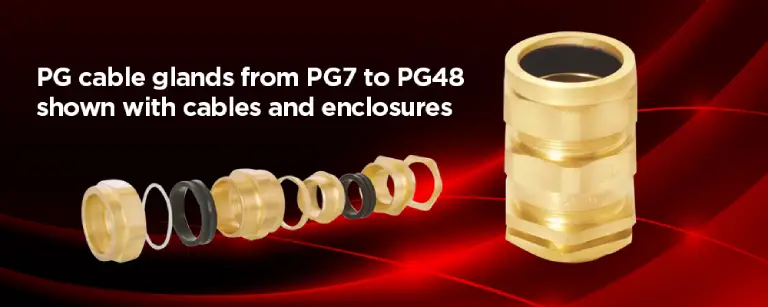
How to Choose the Right PG Gland Size: From PG7 to PG48

Introduction – PG Thread Standards in Cable Glands

PG (Panzer-Gewinde) thread sizes are widely used in cable glands to ensure safe and sealed cable entries into electrical enclosures. Originating in Germany, PG threads are now a global standard in industries where cable sealing, strain relief, and mechanical protection are essential.

Choosing the right PG cable gland size is not just about fitting a cable through a hole—it’s about ensuring safety, efficiency, and compatibility with IP-rated systems. From PG7 to PG48, each gland size corresponds to a specific cable outer diameter (OD), and understanding this is crucial for selecting the right gland for your application.

In this comprehensive blog, we’ll decode the pg gland size chart, walk through the steps to choose the ideal size, and explore how these sizes apply to different cable glands types across industrial and commercial installations.

Understanding PG Sizes & Thread Dimensions

PG sizes range from PG7 (smallest) to PG48 (largest), each correlating to a unique thread diameter and suitable cable OD range. These thread sizes have specific pitch and diameter standards:

PG SizeThread Diameter (mm)Suitable Cable OD (mm)
PG712.53 – 6.5
PG915.24 – 8
PG1118.65 – 10
PG13.520.46 – 12
PG1622.510 – 14
PG2128.313 – 18
PG293718 – 25
PG364722 – 32
PG425432 – 38
PG4859.337 – 44

Understanding these measurements helps users accurately apply the pg gland size chart in choosing glands that align with their cable specifications and enclosure entry requirements.

Key Factors to Consider When Selecting PG Glands

When choosing a PG cable gland, several key factors influence correct sizing and performance:

  1. Cable Outer Diameter (OD): The gland must match or slightly exceed the cable OD to ensure a tight, sealed fit.
  2. Enclosure Hole Size: The threaded part of the gland must match the panel or enclosure entry point.
  3. IP Rating: If you’re targeting IP54 PG cable gland or higher, the gland must include sealing elements like rubber inserts or O-rings.
  4. Material: Options include plastic, brass, and stainless steel. For industrial use, metal variants such as brass offer greater durability.
  5. Temperature Range: Select glands that tolerate your application’s environmental temperature.
  6. Strain Relief: The gland should provide secure strain relief to prevent cable damage.

Selecting a gland by cross-checking these factors with the pg gland size chart ensures that you avoid leaks, mechanical failure, and connection issues.

PG Size Selection Table

To simplify gland selection, here is a quick-reference pg gland size chart based on typical cable sizes:

Cable OD (mm)Recommended PG Size
3 – 6.5PG7
4 – 8PG9
5 – 10PG11
6 – 12PG13.5
10 – 14PG16
13 – 18PG21
18 – 25PG29
22 – 32PG36
32 – 38PG42
37 – 44PG48

This table is a practical guide for engineers and installers, ensuring a smooth match between cable size and gland type. Always verify with product datasheets for precise tolerance and material fit.

Common Applications by Size Range

Different cable glands types are used in varied settings, and specific PG sizes are ideal for particular applications:

  • PG7 to PG11: Used in control panels, automation systems, and sensor wiring. Ideal for low-voltage or signal cables.
  • PG13.5 to PG21: Common in HVAC units, small motors, and instrumentation setups.
  • PG29 to PG36: Applied in industrial machinery, conveyors, and power cabinets.
  • PG42 to PG48: Used in heavy-duty electrical equipment, energy plants, and marine enclosures where thick power cables are routed.

Understanding the appropriate size range helps select the right PG cable gland based on the current load, mechanical strain, and environmental sealing needs.

IP54 Considerations for Indoor & Outdoor Installations

An IP54 rating indicates that the cable gland is protected from dust and water splashes. To achieve this level of protection:

  • Use glands with sealing washers
  • Ensure the cable diameter matches the gland’s sealing range
  • Tighten the gland per manufacturer torque specifications
  • Select materials like brass or stainless steel for weather-exposed environments

PG7 and PG9 glands are commonly used in IP54-rated enclosures for lighting systems, control circuits, and automation panels. For outdoor or industrial applications, using brass PG glands can enhance sealing and lifespan.

Choosing the right PG gland with IP54 ensures system reliability in mildly wet or dusty environments—making it a key consideration in industrial cable gland types.

Step-by-Step Size Selection Guide

Here’s how to choose the right PG gland size, from start to finish:

  1. Measure Cable OD: Use a caliper or cable datasheet to determine the outer diameter.
  2. Refer to PG Chart: Use the pg gland size chart to identify the correct PG size range.
  3. Check Material Requirements: For industrial or outdoor setups, brass or stainless steel glands are ideal.
  4. Match Thread Size: Confirm that the gland fits the enclosure’s hole size and threading.
  5. Verify IP Rating: Look for IP54 or higher protection if required.
  6. Install Securely: Follow torque guidelines and use recommended sealing accessories.

Following this checklist ensures a long-lasting, secure cable entry and avoids installation errors.

Maintenance & Replacement Tips

Even the best industrial cable gland types require inspection and maintenance to ensure continued performance:

  • Periodically check gland tightness
  • Inspect rubber seals or inserts for wear or degradation
  • Replace glands if cracking, loosening, or corrosion appears
  • Keep a record of installation dates to plan replacements

Glands like PG7 or PG48 are often installed and forgotten. However, in high-vibration or outdoor conditions, routine maintenance helps avoid system failures. Replace the gland if any component seems compromised.

Conclusion

Choosing the correct PG cable gland ensures system safety, proper sealing, and long-lasting reliability. Whether you’re working with signal wiring in PG7 or routing heavy power lines with PG48, using the correct gland size prevents hazards and ensures compliance.

Explore Atlas Metal’s complete range of brass PG glands, built for durability and trusted across industries. Contact us today for quotes or guidance on selecting the right gland for your application.

FAQs

PG stands for Panzer-Gewinde, a German thread standard used for secure and sealed cable entry.

Measure the cable outer diameter and match it with the pg gland size chart for proper fit and sealing.

The right size ensures proper sealing, strain relief, and maintains the required IP rating.

Yes, PG glands are widely used in industrial panels, machinery, and legacy systems.

Yes, when correctly sized, sealed, and installed as per specifications.

PG7, PG9, PG11, PG13.5, PG16, and PG21 are commonly used across control and industrial applications.

Categories Cable Gland

Brass Cable Glands: The Ultimate in Strength, Corrosion Resistance & Longevity

Introduction – Why Cable Glands Matter

Cable glands are essential components in any electrical installation. They serve as mechanical entry points for cables into enclosures, ensuring safety, protection from environmental elements, and uninterrupted connectivity. Choosing the right material for cable glands can make a significant difference in both performance and lifespan.

Among all materials available today, brass cable glands durability stands out as a leading reason for their widespread use in industrial, marine, and hazardous environments. From vibration resistance to excellent conductivity, brass glands outperform alternatives in many areas.

In this blog, we explore the complete advantages of using IP68 brass cable glands, comparing them to other types, and offering expert advice on installation and maintenance. This guide will help engineers, installers, and procurement teams make the right choice for long-term performance.

What Makes Brass So Robust?

The popularity of nickel-plated brass glands and raw brass versions in the electrical world is no coincidence. Brass, an alloy of copper and zinc, offers an ideal balance between strength and workability.

Brass has a natural resistance to corrosion and mechanical wear. In fact, corrosion-resistant brass glands are often used in high-humidity or saline environments without the need for protective coatings. When combined with nickel plating, they become even more robust against chemical exposure and oxidation.

This inherent durability allows marine-grade brass cable glands to withstand both indoor and outdoor use, especially in areas with exposure to moisture, chemicals, or mechanical stress.

For industries where reliability and safety are non-negotiable, brass offers excellent thermal resistance, mechanical strength, and a longer service life compared to many plastics or aluminum-based counterparts.

Mechanical Strength & Vibration Resistance

In dynamic or high-vibration environments such as machinery, vehicles, and industrial panels, mechanical integrity is crucial. Mechanical strength cable glands made from brass are preferred because they maintain a strong grip on the cable while resisting loosening over time.

Unlike plastic glands, which can degrade under stress, brass cable glands remain firmly secured. This results in reduced chances of cable pull-out, electrical shorts, or signal disruptions.

These features are essential in systems exposed to movement or operational vibration. Brass cable glands durability means fewer breakdowns, less downtime, and increased safety for personnel and equipment.

Even in critical installations such as automation systems, power distribution boards, or marine electrical systems, marine-grade brass cable glands ensure secure and stable connections.

When considering gland solutions for high-vibration zones, brass offers long-lasting security and strong mechanical integrity, which are unmatched by most alternatives.

Outstanding Corrosion Protection

Corrosion is one of the biggest threats to electrical infrastructure, particularly in marine or chemical environments. Corrosion-resistant brass glands are built to combat this challenge effectively.

Due to their alloy composition, brass glands naturally resist oxidation and do not rust like steel. When nickel-plated, the protection level increases even further. Nickel-plated brass glands can resist many industrial chemicals, making them ideal for chemical processing, refineries, wastewater plants, and coastal installations.

These glands also maintain their sealing and holding properties over years of exposure. The durability of IP68 brass cable glands ensures long-term protection from dust, water ingress, and corrosion, even under harsh conditions.

Thanks to their strength and anti-corrosive nature, brass glands reduce maintenance cycles and ensure safety across mission-critical environments. For engineers working in extreme conditions, they represent a smart investment.

Thermal & Electrical Conductivity

One of the often-overlooked benefits of brass is its excellent conductivity. Brass gland electrical conductivity makes these glands particularly useful for grounding and shielding purposes.

Brass has high thermal conductivity, allowing it to dissipate heat efficiently from cables, which is important in high-load or heat-sensitive applications. This minimizes the risk of overheating in sealed enclosures.

When used in shielded cable systems, brass also offers improved EMI/RFI performance by acting as an effective conductor, maintaining electrical continuity and preventing signal interference.

This dual capability—thermal and electrical—is one of the key reasons why brass cable glands durability extends beyond physical strength to include system safety and performance.

If you are designing systems where electrical conductivity and shielding are priorities, choosing a brass gland electrical conductivity solution ensures reliability in both power and data networks.

Longevity & Maintenance Benefits

Long-term reliability is critical in infrastructure planning. Industrial cable gland longevity is one of the strongest points in favor of brass.

With low wear rates, excellent resistance to environmental stress, and minimal degradation over time, brass glands remain operational for years without requiring replacement.

When you invest in IP68 brass cable glands, you’re also reducing the total cost of ownership. Unlike plastic, which may become brittle or crack over time, or aluminum, which can corrode, brass remains resilient and functional.

Minimal upkeep and reduced need for replacements contribute to lower maintenance overheads—ideal for factories, marine vessels, offshore rigs, and energy installations.

This long life, combined with mechanical reliability, makes brass cable glands durability a practical benefit for industries looking for dependable and cost-effective solutions.

Performance Comparison: Brass vs Alternatives

How does brass stack up against common alternatives like nylon, plastic, or stainless steel?

PropertyBrassNylon / PlasticStainless Steel
Corrosion ResistanceHighLowHigh
Mechanical StrengthHighModerateVery High
Electrical ConductivityHighNoneModerate
Thermal ResistanceHighLowHigh
CostModerateLowHigh
ReusabilityYesLimitedYes

Brass cable glands durability offers a well-rounded solution. While stainless steel may be tougher, it is costlier and not as electrically conductive. Plastics, although cheaper, compromise on safety and longevity.

In harsh or high-risk applications, nickel-plated brass glands deliver both the corrosion resistance of stainless steel and the workability of plastic, offering the best of both worlds.

Best Practices for Installation & Maintenance

To maximise the life of your IP68 brass cable glands, proper installation and regular inspection are crucial.

Installation Tips:

  • Always use compatible tools and avoid over-tightening.
  • Match the gland size to the cable diameter precisely.
  • Check for the correct IP rating; ensure IP68-rated glands for underwater or dusty environments.
  • Use appropriate sealing washers to maintain ingress protection.

Maintenance Tips:

  • Inspect periodically for signs of corrosion or wear.
  • Ensure glands remain tightly secured; re-tighten if needed.
  • Replace if the gland shows deformation or thread damage.

Following these steps helps retain the industrial cable gland longevity benefits brass glands are known for. Proper installation enhances their resistance to environmental damage and mechanical stress.

Conclusion

Whether you’re designing a new industrial system or upgrading an existing one, brass cable glands durability provides unmatched performance in demanding environments. They stand strong in the face of vibration, corrosion, and heat—ensuring safety and reliability over years of use.

By choosing nickel-plated brass glands or marine-grade brass cable glands, you invest in quality, longevity, and peace of mind.

Explore the full range of IP68 brass cable glands available at Atlas Metal—your trusted name in precision brass components for industrial applications.

FAQs

Brass cable glands offer high mechanical strength, corrosion resistance, and long service life, making them ideal for industrial environments.

Yes. Brass naturally resists corrosion, and nickel-plated brass cable glands provide added protection against chemicals, moisture, and salt exposure.

IP68 brass cable glands provide superior protection against dust and continuous water immersion, ensuring long-term sealing and safety.

Yes. Marine-grade brass cable glands are well-suited for outdoor, coastal, and high-humidity environments.

Yes. Brass cable glands are stronger, more vibration-resistant, and last significantly longer than plastic alternatives.

Absolutely. Their mechanical strength ensures secure cable grip even in high-vibration machinery and equipment.

Categories Cable Gland

IP68 Brass Cable Glands: Waterproofing for Offshore and Submerged Installations

Why IP68 Matters in Marine Environments

In marine, offshore, and industrial sectors, cables face some of the toughest conditions imaginable — constant exposure to moisture, saltwater, vibration, and extreme temperatures. When electrical systems operate in these environments, the risk of water ingress can cause corrosion, short circuits, and total system failure. This is where IP68 brass cable glands become essential.

The IP68 rating signifies the highest level of dust and water resistance in cable management systems. It ensures that industrial cable glands remain completely sealed even when submerged for extended periods. For industries like offshore drilling, shipbuilding, or marine engineering, this protection is critical for safety, efficiency, and compliance with international standards.

Among various materials, brass cable glands have earned a strong reputation for durability, resistance to corrosion, and compatibility with multiple cable types. When nickel-plated, they provide an added layer of protection against saltwater, oxidation, and chemical exposure. This makes them the ideal marine cable gland solution for long-term underwater performance.

As one of the leading brass cable gland manufacturers, Atlas Metal Industries offers high-quality IP68 waterproof cable glands that meet the stringent needs of offshore and submerged installations worldwide.

What Does IP68 Testing Involve?

The term “IP68” comes from the Ingress Protection (IP) rating system, defined by international standards (IEC 60529). The two digits indicate specific levels of protection:

  • The first digit “6” refers to complete protection against dust.
  • The second digit “8” refers to protection against continuous immersion in water.

To achieve an IP68 cable gland certification, products undergo rigorous testing under controlled conditions. Typically, glands are submerged in water at specified depths for several hours. After testing, they are examined for moisture entry, corrosion, and sealing integrity.

This stringent evaluation ensures that every IP68 waterproof cable gland can reliably perform in harsh marine conditions. For industries that rely on underwater cables — whether for offshore oil rigs, submersible pumps, or undersea communication systems — such a rating offers the assurance of longevity and safety.

Testing also includes resistance to pressure, vibration, and temperature fluctuations. High-quality brass glands are built not only to resist water but also to withstand the constant mechanical stress found in offshore installations. The result is a product that maintains optimal sealing performance even under dynamic load and movement.

Brass Construction + Nickel Plating: A Winning Combo

When choosing a marine cable gland, material selection is a key factor in determining performance and life span. Brass, an alloy of copper and zinc, offers a combination of strength, conductivity, and corrosion resistance that makes it ideal for both land-based and marine environments.

For offshore installations, where humidity and saltwater exposure are constant, nickel plating further enhances the gland’s durability. Nickel creates a protective barrier on the brass surface, preventing oxidation and surface degradation. This combination not only increases corrosion resistance but also ensures the gland retains its structural integrity for years, even in saline or submerged conditions.

Other advantages of brass IP68 cable glands include:

  • Excellent electrical conductivity for grounding and shielding.
  • Resistance to temperature variations, vibration, and impact.
  • Compatibility with a wide range of cable sizes and insulation materials.
  • Enhanced appearance and protection due to nickel finish.

Compared to plastic or aluminum glands, brass provides a far superior mechanical and sealing performance, making it the preferred material in industrial cable glands used in offshore, mining, and heavy engineering environments.

How Sealing Mechanisms Keep Water Out

A waterproof cable gland achieves IP68 protection through precise engineering of its sealing components. The gland’s design integrates multiple barriers that prevent liquid ingress, even when submerged or pressurized.

Key sealing components include:

  • Compression Seals (Inner Seals): These tightly grip the cable sheath to block any entry point for moisture.
  • Outer Seals and Gaskets: These prevent water from entering between the gland body and enclosure.
  • O-Rings and Washers: Made from elastomers like silicone, neoprene, or EPDM, they provide long-term flexibility and water resistance.

When assembled correctly, these seals create an airtight and watertight enclosure that withstands both immersion and mechanical strain.

At Atlas Metal Industries, each IP68 brass cable gland is designed for easy installation and consistent sealing performance. High-precision threading and corrosion-resistant surfaces ensure that glands maintain perfect alignment and pressure across all contact points.

By preventing moisture, dust, and gas infiltration, the gland extends the life of both cables and connected equipment — an essential feature for marine, oil & gas, and underwater operations.

Key Offshore Applications

IP68 waterproof cable glands are used in numerous marine and offshore installations where cables must stay sealed against water and salt exposure. Typical applications include:

  • Shipbuilding: Electrical connections for navigation, lighting, and communication systems.
  • Offshore Oil and Gas Rigs: Power and data transmission for drilling and monitoring equipment.
  • Underwater Pumps and Motors: Cable terminations that must remain sealed during continuous submersion.
  • Marine Renewable Energy Systems: Wind and tidal power installations where cables face constant moisture exposure.
  • Port and Dock Equipment: Lighting, cranes, and control systems operating in saline air and splash zones.

In all these scenarios, IP68 cable glands serve as critical components that protect electrical integrity, prevent corrosion, and ensure operational reliability. Selecting the right cable gland size for each application is equally important to achieve proper sealing and mechanical stability.

Installation & Maintenance Best Practices

Correct installation is essential to maintain an IP68 seal. Even the best industrial cable glands can fail if incorrectly installed. Here are some best practices:

  1. Match Cable Gland Size to Cable Diameter: Always ensure compatibility between the gland size and cable outer sheath for a secure fit.
  2. Use Proper Torque: Over-tightening can damage seals, while under-tightening can cause leaks. Follow manufacturer-recommended torque settings.
  3. Inspect Seals and O-Rings: Check for cracks, wear, or contamination before installation. Replace worn-out parts immediately.
  4. Avoid Cross-Threading: Misalignment can weaken the seal and reduce waterproofing.
  5. Regular Maintenance: Periodic inspection ensures the gland remains watertight. Look for signs of corrosion, wear, or vibration damage.

Atlas Metal Industries provides detailed technical documentation and size charts to guide customers in selecting and installing IP68 brass cable glands safely and efficiently.

Selecting the Right IP68 Brass Gland from Atlas Metal

As one of India’s most trusted cable gland manufacturers, Atlas Metal Industries offers a complete range of IP68 brass cable glands engineered to meet international quality standards.

When choosing the right model, consider:

  • Cable gland size: Match to cable diameter and thread type.
  • Application environment: Offshore, industrial, submerged, or indoor.
  • Sealing material: Choose EPDM or neoprene for marine use.
  • Thread type: Metric, PG, or NPT threads depending on your setup.

Atlas Metal’s catalog provides clear technical specifications for industrial cable glands, ensuring you find the perfect fit for your project. Each gland is precision-machined, nickel-plated, and tested for sealing efficiency, mechanical strength, and corrosion resistance.

With Atlas Metal, you don’t just get a waterproof cable gland — you get a product built on decades of manufacturing expertise and tested reliability.

Trust Atlas Metal for Reliable Marine-Grade Cable Glands

In marine and offshore environments, protection from water ingress isn’t optional — it’s vital. IP68 brass cable glands provide that assurance with proven performance, strength, and longevity.

With their brass-nickel construction, advanced sealing mechanisms, and adherence to international IP68 standards, these glands safeguard critical cable connections under the most demanding conditions.

Atlas Metal Industries continues to lead as a trusted cable gland manufacturer, delivering precision-engineered solutions for marine, industrial, and offshore use. When you choose Atlas Metal, you’re choosing quality that stands the test of time — above and below water.

FAQs

IP68 indicates total protection against dust and continuous immersion in water, making it ideal for marine cable gland and offshore applications.

They provide corrosion resistance, mechanical strength, and long service life, especially in industrial cable glands used in wet or saline conditions.

High-grade elastomers such as EPDM, silicone, and neoprene are used to ensure airtight, waterproof cable gland performance.

Generally, yes—if seals remain intact and threads are undamaged. However, replacement is recommended for critical offshore installations.

Brass offers a balance of durability and cost-efficiency. It’s more affordable than stainless steel but far more robust than plastic glands.

Sizes range from M16 to M63 depending on cable diameter. Always refer to cable gland size charts for precise selection.

Absolutely. Their waterproof cable gland design makes them suitable for outdoor electrical panels, factories, and construction sites.

Atlas Metal Industries is among the leading cable gland manufacturers offering certified industrial cable glands for marine and offshore sectors.