
ENQUIRE NOW ENQUIRE NOW ENQUIRE NOW

Category Archives: Cable Gland

Categories Cable Gland

Choosing the Right Conduit Connector: Types, Materials, and Applications

Electrical wiring systems demand protection, stability, and long-term reliability. Conduits play a vital role in safeguarding cables, but the effectiveness of any conduit system depends heavily on the quality and suitability of its connectors and fittings. Choosing the right conduit connectors ensures secure cable routing, protection from external damage, and smooth system performance across residential, commercial, and industrial environments.

From brass conduit fittings used in demanding industrial setups to flexible adaptors that allow movement and vibration control, conduit components must be selected carefully. Factors such as material, size, application area, and installation conditions all influence performance. This guide offers a complete understanding of conduit fittings, connector types, materials, accessories, and selection tips to help you make informed decisions for safe and efficient electrical installations.

What Are Conduit Fittings & Connectors?

Conduit fittings and connectors are essential components used to join, secure, terminate, or extend conduit systems that house electrical cables. Their main purpose is to protect wiring from physical damage, moisture, dust, and environmental exposure while maintaining an organized and safe electrical pathway.

Conduit connectors specifically join conduits to electrical boxes, enclosures, or other conduits. They ensure a firm mechanical connection that prevents cable strain and unwanted movement. Conduit fittings, on the other hand, include a wider range of components such as couplings, adaptors, elbows, locknuts, and bushings that support different layout requirements.

In industrial and commercial environments, conduit fittings must withstand vibration, temperature variations, and mechanical stress. This is why materials like brass are widely preferred. Brass conduit fittings offer excellent strength, corrosion resistance, and long service life, making them suitable for heavy-duty applications.

A properly designed conduit system depends on accurate fitting selection. Using incorrect connectors can lead to loose connections, cable damage, or safety risks. Therefore, understanding the role of each conduit fitting and connector is essential for building a reliable electrical system.

Common Materials Used in Conduit Fittings

The material of a conduit fitting determines its durability, performance, and suitability for specific environments. Different applications demand different material properties, especially in industrial settings.

Brass Conduit Fittings

Brass conduit fittings are among the most reliable options for electrical installations. Brass offers excellent corrosion resistance, high mechanical strength, and long-term stability. These fittings perform well in environments exposed to moisture, heat, oil, or vibration. Due to these properties, brass fittings are commonly used in factories, power plants, and commercial buildings.

Steel and Galvanized Fittings

Steel conduit fittings provide strong mechanical protection and are often used in heavy-duty installations. Galvanized steel adds corrosion resistance, making it suitable for outdoor or semi-exposed environments.

Aluminium Fittings

Aluminium fittings are lightweight and cost-effective. They are suitable for applications where weight reduction is important but where corrosion exposure is moderate.

Plastic and PVC Fittings

Plastic fittings are mainly used in residential or light commercial applications. They are easy to install and cost-effective but not suitable for high-stress industrial environments.

Choosing the right material ensures that conduit fittings perform effectively under expected operating conditions. For industrial conduit components, brass remains the most preferred option due to its strength and reliability.

Types of Conduit Connectors & Brass Flexible Adaptors

Conduit systems require different connector types based on layout, movement, and installation complexity. Understanding these types helps ensure proper selection.

Straight Conduit Connectors

These connectors are used to connect conduits directly to enclosures or panels. They provide a firm, straight connection and are commonly used in fixed installations.

Elbow and Angle Connectors

Used when conduit paths require directional changes, these fittings help maintain smooth cable routing without bending or stressing the wires.

Couplings and Adaptors

Couplings join two conduits of the same size, while adaptors allow connection between different sizes or thread types.

Brass Flexible Adaptor

A brass flexible adaptor is used when conduit systems require flexibility. These adaptors are ideal for areas with vibration, movement, or alignment challenges. They allow conduits to flex without damaging cables, making them suitable for machinery, motors, and equipment connections.

Brass flexible adaptors combine the strength of brass with the flexibility required in dynamic environments. They are widely used in industrial conduit components where rigid fittings may fail due to movement or stress.

Conduit Fitting Size Guide & Selection Tips

Selecting the correct size is critical for the performance and safety of conduit systems. A conduit fitting size guide helps match the fitting with the conduit diameter accurately.

Why Size Matters

Incorrect sizing can lead to loose connections, cable abrasion, or difficulty during installation. Proper sizing ensures a tight fit, maintains system integrity, and prevents cable damage.

How to Determine the Right Size

  • Measure the outer diameter of the conduit
  • Check the thread type and length
  • Match fittings using a standardized conduit fitting size guide
  • Ensure compatibility with enclosures and accessories

Selection Tips

  • Always follow manufacturer specifications
  • Avoid force-fitting mismatched sizes
  • Use reducers or adaptors when size transition is needed
  • Choose fittings that allow easy maintenance

Using the correct conduit fitting size improves installation efficiency and ensures long-term reliability, especially in industrial installations where precision is essential.

Conduit Accessories & Components

In addition to connectors, a conduit system relies on various conduit accessories to function effectively.

Locknuts and Bushings

Locknuts secure connectors to enclosures, while bushings protect cable insulation from sharp edges.

Gaskets and Sealing Rings

These accessories provide protection against dust and moisture, especially in outdoor or industrial applications.

Clamps and Straps

Used to secure conduits along walls or structures, clamps help maintain alignment and reduce stress.

Reducers and Thread Adaptors

These components allow connection between different conduit sizes or thread types without compromising system integrity.

High-quality conduit accessories enhance the overall performance of conduit fittings and connectors. Using compatible accessories ensures safety, durability, and compliance with installation standards.

Industrial Conduit Components & Their Applications

Industrial conduit components are designed to handle demanding operating conditions. They are used across industries where electrical safety and system durability are critical.

Manufacturing Plants

Protect wiring in areas exposed to vibration, heat, and mechanical movement.

Power and Energy Sector

Used in substations, power panels, and control rooms to ensure safe cable management.

Commercial Buildings

Provide structured wiring systems for lighting, HVAC, and electrical distribution.

Correct installation ensures the performance and safety of conduit systems.

Infrastructure and Construction

Used in tunnels, bridges, and large facilities where long conduit runs are required.

Brass conduit fittings and connectors are especially valuable in these environments due to their strength, corrosion resistance, and long service life.

Best Practices & Installation Tips

Installation Best Practices

  • Use the correct conduit fitting size
  • Avoid overtightening connectors
  • Ensure smooth cable entry and exit
  • Use proper conduit accessories for sealing
  • Inspect fittings before installation

Maintenance Tips

  • Periodically check for loosened connectors
  • Inspect fittings in high-vibration areas
  • Replace damaged components promptly

Following best practices reduces installation errors, improves system reliability, and extends the life of conduit fittings and connectors.

Choosing a Trustworthy Conduit Fitting Manufacturer

Selecting the right manufacturer is just as important as choosing the right product. A reliable manufacturer ensures consistent quality, precise dimensions, and tested materials.

When evaluating a manufacturer, consider:

  • Material quality and manufacturing standards
  • Range of conduit fittings and accessories
  • Product consistency and finishing
  • Industry experience and technical expertise

Atlas Metal, with its expertise in manufacturing high-quality brass components, delivers dependable brass conduit fittings and industrial conduit components that meet demanding application needs.

Conclusion

Choosing the right conduit connector is essential for building safe, durable, and efficient electrical systems. Understanding conduit fittings, materials, size selection, accessories, and industrial applications helps ensure proper installation and long-term performance. By selecting high-quality brass fittings from a trusted manufacturer, electrical systems can achieve superior protection and reliability.

FAQs

Compression fittings create tight seals without threading.

Yes, they protect wiring from moisture and dust.

Reuse depends on condition and thread integrity.

Specially rated fittings ensure safety in explosive zones.

Yes, grounding ensures electrical safety.

Yes, brass resists corrosion in humid conditions.

aluminium cable gland
Categories Cable Gland

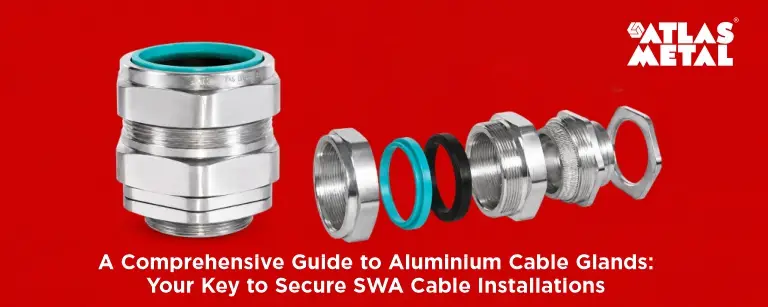
A Comprehensive Guide to Aluminium Cable Glands: Your Key to Secure SWA Cable Installations

Modern electrical systems demand strong, durable, and reliable components that ensure safety, continuity, and long-term performance. Among these components, aluminium cable glands play an essential role in securing SWA (Steel Wire Armoured) cable installations. These glands provide protection, create sealed entry points, and maintain the mechanical stability needed in industrial and commercial environments.

Their importance has grown significantly with the increasing use of armored cables in sectors where protection from environmental exposure is crucial. Whether it is selecting the right IP66 cable gland, choosing the correct CW type gland, or ensuring precise sizing, every element contributes to the safety of the installation. When installed properly, aluminium cable glands help maintain electrical bonding, reduce strain, prevent moisture ingress, and extend cable life.

This comprehensive guide explains everything you need to know—what aluminium cable glands are, why they matter in SWA installations, how CW type glands function, which cable gland accessories are essential, and how to choose the correct aluminium cable gland sizes. It also highlights the importance of choosing a trusted cable gland manufacturer capable of delivering consistent quality for demanding projects.

What Are Aluminium Cable Glands?

Aluminium cable glands are designed to secure and protect cable entry points in electrical equipment and enclosures. Made from high-grade aluminium, these glands offer a lightweight yet strong solution for mechanical support and environmental sealing. They are widely used for SWA cables due to their ability to withstand regular wear, resist corrosion in normal environments, and maintain reliable performance across a range of applications.

A key benefit of using an aluminium cable gland is the balance it provides between cost-effectiveness and durability. Since aluminium is naturally resistant to certain forms of corrosion and is easy to machine, it allows manufacturers to produce components with consistent accuracy. This makes them suitable for industrial cable glands that must endure vibration, mechanical pressure, or fluctuating temperatures.

These glands also support strain relief by gripping the cable firmly, preventing unwanted movement that may damage internal conductors. Industries such as construction, automation, general wiring, telecommunications, and electrical distribution rely on aluminium cable glands for dependable cable termination.

When paired with the correct SWA cable gland configuration, aluminium glands ensure the armour of the cable is properly clamped, allowing secure earthing and bonding. Their use extends across environments where weight reduction, reliable sealing, and long-term safety are priorities.

Importance of SWA Cable Glands in Secure Installations

SWA cables are commonly used in installations that require strong mechanical protection. However, the cable alone cannot ensure complete protection without the right gland. This is where SWA cable glands become essential. They help maintain the structural integrity of armored cables by holding both the inner sheath and armour securely in place.

The strength of an SWA cable can only be fully utilized when the gland is capable of providing reliable locking, sealing, and electrical bonding. Without proper termination, the armour may not be grounded correctly, which can lead to safety risks. When you use an aluminium cable gland suitable for SWA cables, the gland ensures that the armour is clamped effectively, providing mechanical strength and earthing continuity.

SWA glands also protect electrical equipment from moisture, dust, vibration, and pressure. This remains important in harsh environments such as manufacturing units, outdoor electrical poles, solar installations, and control panels. The ability of the gland to maintain a secure seal reduces the risk of corrosion, accidental loosening, or short circuits.

When selecting SWA cable gland solutions, it is important to work with a reliable cable gland manufacturer that can provide accurate sizing, high-strength materials, and compliance with international standards. Aluminium cable glands are often preferred for their balance of performance and weight, making them ideal for large-scale or elevated installations where lighter components reduce overall load.

Exploring CW Type Glands for SWA Cables

CW type glands are widely used in armoured cable installations due to their strong construction and ability to clamp the armour securely. The “CW” term refers to the way the gland supports both sealing and armouring. For SWA cables, the CW type gland ensures the armour is properly terminated while maintaining an effective environmental seal on the outer sheath.

These glands are suitable for outdoor and indoor applications where additional protection is needed. Aluminium CW type glands provide a lightweight option that still offers dependable strength and stability. Their design includes components such as the gland body, compression nut, sealing rings, and locknuts that work together to create a tight fit around the cable.

CW glands also support consistent electrical bonding, which is necessary to maintain safety in installations where grounding plays a role in preventing electrical faults. When using aluminium cable glands with SWA cables, CW type designs ensure that the armour is not only clamped but also bonded to the gland body for safe dissipation of fault currents.

Industries such as power distribution, manufacturing, heavy machinery, and infrastructure development rely on CW type glands due to their ability to maintain secure connections even in environments with dust or moisture exposure. By using a CW gland, the installation becomes more reliable and compliant with safety norms, making it the preferred choice for SWA cable termination.

Cable Gland Accessories You Should Know About

Cable glands work best when paired with the right cable gland accessories. These accessories enhance the performance of the gland and ensure proper installation. They include:

Locknuts

Locknuts secure the gland to the panel or enclosure, ensuring a firm and stable mount.

Earth Tags

Earth tags provide a path for electrical bonding between the gland and the equipment. When working with SWA cables, earth tags become important for grounding continuity.

Reducers and Adaptors

Reducers help fit glands into smaller entry holes, while adaptors allow for different thread conversions.

Shrouds

Shrouds protect the gland from dust, moisture, and environmental contamination.

Sealing Washers

These are used to create a weather-tight seal, especially in outdoor or wet locations.

Using the correct accessories ensures that the aluminium cable gland performs as intended. Accessories improve sealing, enhance electrical bonding, and eliminate gaps or looseness that may compromise safety.

When selecting accessories, it is advisable to choose products from the same cable gland manufacturer, as compatibility helps maintain accuracy and performance. Industrial setups depend on complete and secure termination systems, making accessories essential for long-lasting installations.

Ensuring Reliable Electrical Bonding with Cable Glands

Electrical bonding is an important safety requirement in SWA cable installations. It ensures that all metallic parts, including the cable armour and gland, remain at the same electrical potential. If there is a fault, the current flows safely to the ground, preventing hazards.

Aluminium cable glands, especially CW type glands, are designed to support proper electrical bonding. They clamp the armour tightly, creating a conductive path between the cable’s metallic layers and the equipment. When used with earth tags, locknuts, and bonding accessories, the system becomes fully grounded and compliant with safety standards.

Bonding prevents the build-up of static charges, reduces the risk of electric shock, and ensures quick circuit disconnection in case of faults. This is especially important in industrial, outdoor, and high-load environments where mechanical stress and electrical loads are higher.

Bonding is not optional—it is a requirement for SWA cable gland installations. Ensuring that the aluminium cable gland is installed correctly and tested for continuity adds an extra layer of protection and supports long-term system reliability.

IP66 Cable Glands: Why Protection Rating Matters

The IP (Ingress Protection) rating of a cable gland determines how well it can protect against dust and water. An IP66 cable gland offers complete protection against dust and strong protection against water jets. This makes it suitable for outdoor installations, industrial environments, and locations exposed to moisture or debris.

When using aluminium cable glands in SWA installations, choosing IP66 ensures that the gland prevents dust particles from entering the enclosure. It also ensures the system remains protected during rainfall or cleaning processes that involve water pressure.

IP66 protection is frequently required in electrical distribution boards, solar installations, outdoor lighting, and industrial control panels. Using a gland with this rating ensures long-term reliability, reduces maintenance needs, and protects expensive electrical infrastructure.

When working with a cable gland manufacturer, it is important to confirm that the product meets certified IP standards. This ensures quality and protection across all applications.

Aluminium Cable Gland Sizes and Selection Guide

Choosing the correct aluminium cable gland sizes ensures compatibility with the cable diameter and armour thickness. Accurate sizing prevents the gland from becoming loose or overtightened, both of which can compromise safety.

The selection process includes:

  • Measuring the cable’s inner and outer sheath diameters
  • Identifying armour type and thickness
  • Checking the gland’s thread type
  • Matching the gland’s size with the enclosure entry hole

A trusted cable gland manufacturer provides detailed charts that list compatible sizes for SWA cables. Using these charts helps ensure precision and reduces installation errors.

Choosing the Right Cable Gland Manufacturer

The quality of aluminium cable glands depends heavily on the manufacturer. A trusted cable gland manufacturer ensures:

  • High-grade aluminium processing
  • Accurate machining
  • Consistent sizing
  • Certified IP protection
  • Reliable accessories
  • Strong quality checks

Atlas Metal, with its long-standing expertise in producing high-precision components, ensures that each aluminium gland meets international standards for industrial cable glands.

Industrial Cable Glands: Applications Across Industries

Industrial cable glands are used in:

  • Manufacturing plants
  • Power distribution
  • Renewable energy
  • Automation systems
  • Railway and infrastructure projects
  • Construction and heavy machinery
  • Outdoor electrical networks

Aluminium cable glands provide lightweight yet strong solutions suited for these diverse applications.

Conclusion

Aluminium cable glands are essential for safe and reliable SWA installations. With the right gland type, correct size, suitable accessories, and proper bonding, electrical systems can operate safely and efficiently. Choosing the right cable gland manufacturer ensures long-term performance and dependable quality.

FAQs

Single compression glands are used for indoor cable terminations where basic sealing is needed.

Metric and PG glands differ in thread profiles used for enclosures.

They can be used where corrosion levels are moderate.

Yes, they protect against rain, dust, and UV exposure.

Control panels often use specially rated glands that ensure sealing and strain relief.

Yes, double compression glands provide stronger environmental sealing.

Periodic inspection helps ensure that sealing components remain intact.

Yes, IP-rated glands protect against moisture exposure in underground installations.

types of cable glands
Categories Cable Gland

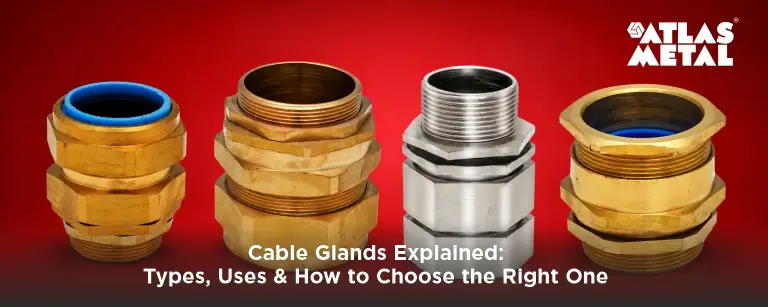
Cable Glands Explained: Types, Uses & How to Choose the Right One

Cable management plays a crucial role in ensuring safe, reliable, and long-lasting electrical installations. Whether used in factories, marine systems, commercial panels, or outdoor infrastructure, the need for secure cable entry points is universal. This is where cable glands become essential. They help protect cables, secure connections, and prevent hazards caused by dust, moisture, vibration, or environmental stress.

In industries that rely on consistent performance and strict safety norms, cable glands simplify cable handling while preventing damage. They are used across electrical panels, instrumentation systems, motors, junction boxes, and machinery of all sizes. As the demand grows, understanding the types of cable glands, their uses, and how to select the right one becomes important for every technician, engineer, or industry professional.

This comprehensive guide explains what a cable gland is, why it is needed, the different materials available, and how to choose the correct solution for your environment. With growing industrial requirements across India and global markets, products like brass cable glands, aluminium cable glands, plastic cable glands, and flameproof cable glands have become essential parts of standard installations.

Let us explore the topic in a clear and structured way.

What Is a Cable Gland?

A cable gland is a simple but important device that connects and secures the end of an electrical cable to equipment. It holds the cable in place, prevents it from slipping, and protects the inner wires from damage. In simple terms, the cable gland meaning refers to a mechanical entry device that ensures the cable stays fixed, sealed, and safe during use.

The primary purpose of cable glands is to protect cables from environmental pressure. When cables pass through a panel or enclosure, they often face dust, moisture, heat, or mechanical strain. Without a gland, these factors can affect cable performance, leading to short circuits, corrosion, or system failure. A cable gland offers a sealed entry so that the cable stays stable and protected.

Cable glands are also used to relieve strain. When a cable bends or twists due to movement, wind, vibration, or handling, the gland absorbs the stress and prevents the wires from breaking internally. This makes cable glands a basic part of both indoor and outdoor electrical safety.

Because they play such an important role, cable glands are used in almost every electrical installation. From small household boxes to large industrial panels, they guarantee protection, longevity, and performance.

Why Are Cable Glands Important?

The importance of cable glands becomes clear when we look at the conditions cables face in real environments. Electrical equipment installed in factories, marine zones, chemical plants, or outdoor fields must resist dust, water splashes, oil exposure, temperature changes, and corrosion. A cable gland ensures that the cable and enclosure remain sealed against these elements.

Cable glands also maintain secure electrical connections by preventing the cable from loosening. In many industrial and outdoor applications, movement caused by machines or environmental vibrations can weaken a cable entry point. A properly installed gland avoids this risk and ensures constant electrical performance.

Applications include:

  • Manufacturing units and control panels
  • Marine equipment exposed to salty air
  • Outdoor installations such as streetlights or solar systems
  • Heavy machinery and industrial automation
  • Hazardous areas requiring flameproof or explosion-proof designs

Because of these varied uses, choosing the right gland is essential. Whether selecting industrial cable glands for a plant or sealing cables in outdoor environments, the correct product ensures long-term safety and reliability.

Types of Cable Glands

Brass Cable Glands

Among all types of cable glands, brass cable glands are the most widely used due to their strength and durability. Brass provides excellent corrosion resistance and long operational life, making it suitable for harsh industrial environments. These glands offer strong mechanical protection and maintain a firm grip on cables.

Industries choose brass because it withstands oil, heat, moisture, and chemical exposure. Electrical contractors and engineers consider it a dependable choice for daily use. A reliable brass cable gland manufacturer ensures high performance, precision, and safety during installation. Brass glands are commonly used in industrial panels, instrumentation systems, switches, motors, and outdoor boxes.

Aluminium Cable Glands

Aluminium cable glands are lightweight and cost-effective. While they offer good resistance to corrosion, they are particularly preferred in large installations where weight reduction is important. Aluminium also provides a good balance between strength and economy.

Industries such as power distribution, automation, and large mechanical structures often use these glands due to their easy handling. A trusted aluminium cable gland supplier ensures consistent quality and suitable protection levels. Aluminium glands are ideal for medium-strength installations where reducing overall project weight is a priority.

Other Materials & Special Glands

In addition to brass and aluminium, industries often use plastic cable glands, stainless steel cable glands, and flameproof cable glands based on specific needs.

  • Plastic cable glands are lightweight, affordable, and suitable for small instrumentation boxes or indoor electrical setups.
  • Stainless steel cable glands are used where maximum corrosion resistance is required, such as chemical plants and marine zones.
  • Flameproof cable glands protect equipment installed in hazardous locations where sparks or flames may occur. These are used in oil and gas industries, refineries, and explosive zones.

Each material has its own strengths. The selection depends on the environment, cable type, and safety standards required.

How to Choose the Right Cable Gland
Based on Cable Type

Choosing a gland based on cable type is essential for safety and performance.

  • Armoured cable glands are designed for cables with metal armour, ensuring strong mechanical protection and earth continuity.
  • Unarmoured cable glands are used for soft, flexible, or non-armoured cables where only sealing and strain relief are required.

Understanding cable construction helps ensure that the gland matches the exact cable features.

Based on Environment

Environmental conditions play a major role in selecting a gland.

  • Industrial cable glands are made for high-stress areas involving heat, vibration, and exposure to oil or dust.
  • Outdoor cable glands must withstand rain, UV rays, wind, and fluctuating temperatures.
  • Marine cable glands resist saltwater, humidity, and corrosion caused by harsh marine air.

Choosing the correct gland prevents long-term wear and protects the cable throughout its life.

Based on Certification

Safety certifications ensure that the gland meets international standards.

  • IP68 cable glands provide the highest protection against dust and water, making them ideal for outdoor or submerged applications.
  • Flameproof cable glands prevent fire hazards in explosive zones.
  • Explosion-proof cable glands are required in industries that handle gases, vapour, or flammable chemicals.

Matching certification with environmental risk ensures maximum safety.

Installation & Safety Tips

Cable gland installation must be carried out with care to ensure sealing and cable protection. A step-by-step approach includes:

  1. Selecting the correct gland size for the cable diameter
  2. Preparing the cable end safely
  3. Threading the cable through the gland body
  4. Tightening each component to ensure sealing and strain relief
  5. Verifying the final grip and fit inside the enclosure

Common mistakes include over-tightening, using the wrong gland material, ignoring IP ratings, or mismatching gland and cable sizes. These errors can weaken protection or damage the cable.

Following proper cable gland safety guidelines ensures that the installation lasts long and performs reliably. Always refer to manufacturer recommendations and local electrical standards to ensure compliance.

ATCAB Advantage: Trusted Cable Glands & Accessories

Atlas Metal Industries has built a strong reputation in manufacturing reliable, high-quality brass components. Under the ATCAB product line, the brand offers superior cable glands & accessories designed for global standards.

ATCAB cable glands are produced using high-quality raw materials and undergo strict testing procedures to ensure long-term performance. With a presence in more than 25 countries, ATCAB has become a trusted name among clients looking for durability and accuracy.
Key features include:

  • Premium materials and precision engineering
  • IP68 certified cable glands for maximum protection
  • Consistent quality delivered by a leading cable gland manufacturer India
  • Accessories designed to match a wide range of industrial applications

For industries that demand long-term reliability, ATCAB offers the confidence of performance, safety, and trust.

Conclusion

Cable glands are essential components for ensuring the safety and performance of electrical systems. They protect cables from environmental pressure, seal entry points, and eliminate risks related to dust, water, and corrosion. Understanding the types of cable glands, their uses, and how to select the right one helps ensure proper installation and long-term reliability.

When choosing products, look for trusted brands like ATCAB, known for quality, strength, and international standards. With the right knowledge and equipment, cable installations become safer, stronger, and more dependable.

FAQs

A cable gland is used to secure and seal cables entering an electrical panel, ensuring safe wiring systems.

Single compression glands provide basic sealing, while double compression glands offer enhanced mechanical and environmental protection.

Yes, cable glands are required to protect cables from soil moisture and pressure in underground installations.

Solar plants use specialized weather-resistant glands to seal outdoor cables securely.

Chemical plants prefer corrosion-resistant materials like stainless steel for maximum durability.

Yes, they are available in metric, PG, and NPT threads depending on equipment requirements.

Some glands may be reused if undamaged, but manufacturers recommend replacement for maximum safety.

Yes, they ensure reliability by sealing cables exposed to rain, dust, and temperature changes.

Categories Cable Gland

Things to keep in mind while choosing the right cable gland size

As a leader in the metal industry for over 25 years now, we at Atlas Metal understand the significance of choosing the correct size of a cable gland for various applications. Therefore, in this blog post, we will explore the importance of selecting the right size of cable glands and the steps and parameters that help us to choose one.

Choosing the right size of cable glands is of paramount importance to ensure the effectiveness and safety of electrical and lightning safety solutions. A wrong-sized cable gland can lead to numerous issues, such as inadequate sealing, poor cable retention, and compromised performance. It can also result in potential hazards like electrical failures, and short circuits. By understanding the importance of selecting the correct size, you will be able to ensure optimal functionality, reliable connections, and enhanced safety in your electrical installations.

Now, before determining the suitable size for cable glands let us understand the various types of cable glands.

Types of Cable Glands

1. A2 Compression Cable Glands

A2 Compression Cable Glands is a reliable choice for secure and efficient cable connections, providing excellent strain relief and sealing capabilities while ensuring optimal performance in various industrial applications.

2. ATEX Cable Glands

Designed to meet strict safety standards for use in hazardous environments, ATEX cable glands are specifically engineered to prevent the ignition of explosive gases and dust, providing reliable sealing and protection.

3. Aluminium Cable Glands

Aluminium Cable Glands are known for their lightweight yet durable construction, offering excellent corrosion resistance. They are ideal for applications where weight reduction and robust protection are required.

4. E1W Cable Glands

E1W Cable Glands provide exceptional sealing against moisture and dust ingress, making them suitable for both indoor and outdoor installations. These glands are widely used to ensure reliable connections in harsh environments.

5. CW 3 PT Cable Glands

CW 3 PT Cable Glands offer superior cable retention and sealing capabilities, making them a popular choice for heavy-duty applications. They provide effective protection against environmental factors such as dust, water, and mechanical stress.

Atlas Metal manufactures a diverse range of cable gland solutions under the banner ATCAB, including, A2 compressor cable glands and aluminium cable glands. The cable glands are tailored to meet the varied requirements of industries.

What Factors To Consider While Choosing A Right Cable Gland Size

When selecting the right cable gland size, several factors should be taken into consideration to ensure optimal performance and safety.

1. Cable Diameter

Measure the outer diameter of the cable accurately to determine the appropriate gland size that provides a snug fit without excessive compression or strain.

2. Cable Material

Different cable materials have varying flexibility and thickness, affecting the required gland size. Consider the characteristics of cable materials to select a compatible size.

3. Installation Method

Consider the installation process and available tools. Ensure that the chosen gland size aligns with the installation method, whether it’s thread or compression-based.

4. Sealing Requirements

Determine the level of ingress protection needed. Ensure that the selected gland size offers adequate sealing to prevent the entry of dust, water, or other contaminants.

5. Cable Retention

Check the weight and movement of the cable. Choose a cable gland size that provides sufficient grip and strain relief to keep the cable securely in place.

Steps To Determine The Correct Cable Gland Size

Follow the steps given below to determine the appropriate cable gland size and ensure a proper fit.

1. Measure The Cable Diameter

Accurately measure the outer diameter of the cable using callipers or a measuring tape. This measurement is crucial in determining the appropriate gland size that provides a secure fit without excessive compression or strain.

2. Determine The Thread Size And Length

Identify the thread size and length required for the installation. This will ensure compatibility between the cable gland and the equipment or enclosure where it will be installed, providing a proper and secure connection.

3. Select The Correct Cable Gland Size

Refer to cable gland size charts provided by manufacturers or industry standards. Match the measured cable diameter with the corresponding gland size to ensure a proper fit and effective sealing against environmental elements.

4. Double Check The Compatibility

Before finalising the selection, verify the compatibility of the chosen gland size with the cable material, operating environment, and any specific standards or certifications required. This step ensures the cable gland meets the necessary criteria for optimal performance and safety.

Some More Tips For Choosing the Right Size Of Cable Glands

Consult with Manufacturers

Reach out to cable gland manufacturers or suppliers for expert advice on selecting the right size. They can provide valuable insights based on their expertise and product knowledge, ensuring an appropriate gland size for your specific requirements. At Atlas Metal, customer-centricity is paramount, ensuring that each customer is provided with tailored solutions that perfectly align with their specific requirements.

Consider the Environmental Conditions

Take into account the operating environment where the cable gland will be installed. Factors such as temperature fluctuations, moisture levels, exposure to chemicals, and mechanical stress. Select a size that can withstand these conditions and maintain effective sealing.

Double Check The Dimensions

Accurately measure the cable diameter and cross-reference it with the manufacturer’s size charts or guidelines. Ensure that the selected gland size aligns with the measured dimensions.

Top Indian Cable Gland Manufacturers in India

The Indian cable gland manufacturing industry has gained widespread recognition worldwide for its expertise and high-quality products. With a strong presence in the global market, Indian manufacturers have become synonymous with reliability and innovation. One of the leading cable gland manufacturers is Atlas Metal. With over 25 years of experience, Atlas has earned a reputable status for manufacturing premium cable glands under the banner ATCAB. In addition to cable glands, Atlas also offers a diverse range of related products that cater to various electrical and lightning safety needs.

Conclusion

The correct size of cable glands plays a critical role in maintaining the effectiveness and safety of electrical and lightning safety solutions. Failure to choose the appropriate size can result in a range of problems and potential hazards. By prioritising the selection of the correct size, you can safeguard against issues like inadequate sealing and compromised performance, ensuring reliable connections in electrical installations.

FAQs

Measure the cable’s outer diameter and match it with the manufacturer’s cable gland size chart. Also check thread size, cable material, and sealing needs.

Wrong sizing can cause poor sealing, weak cable grip, dust or moisture entry, cable strain, short circuits, and safety risks.

E1W and CW 3 PT Cable Glands are suitable for outdoor use as they offer protection against dust, moisture, and environmental stress.

PG and Metric cable glands differ mainly in thread type and sizing standards. The choice depends on the equipment and installation requirement.

Yes, but only within the recommended cable diameter range mentioned by the manufacturer.

Yes, armoured cables need glands that grip and terminate the armour, while unarmoured cables need glands mainly for sealing and retention.

Yes, Atlas Metal Industries offers customised cable glands under its ATCAB range for specific industrial and installation needs

Categories Cable Gland

How to Choose the Right PG Gland Size: From PG7 to PG48

Introduction – PG Thread Standards in Cable Glands

PG (Panzer-Gewinde) thread sizes are widely used in cable glands to ensure safe and sealed cable entries into electrical enclosures. Originating in Germany, PG threads are now a global standard in industries where cable sealing, strain relief, and mechanical protection are essential.

Choosing the right PG cable gland size is not just about fitting a cable through a hole—it’s about ensuring safety, efficiency, and compatibility with IP-rated systems. From PG7 to PG48, each gland size corresponds to a specific cable outer diameter (OD), and understanding this is crucial for selecting the right gland for your application.

In this comprehensive blog, we’ll decode the pg gland size chart, walk through the steps to choose the ideal size, and explore how these sizes apply to different cable glands types across industrial and commercial installations.

Understanding PG Sizes & Thread Dimensions

PG sizes range from PG7 (smallest) to PG48 (largest), each correlating to a unique thread diameter and suitable cable OD range. These thread sizes have specific pitch and diameter standards:

PG SizeThread Diameter (mm)Suitable Cable OD (mm)
PG712.53 – 6.5
PG915.24 – 8
PG1118.65 – 10
PG13.520.46 – 12
PG1622.510 – 14
PG2128.313 – 18
PG293718 – 25
PG364722 – 32
PG425432 – 38
PG4859.337 – 44

Understanding these measurements helps users accurately apply the pg gland size chart in choosing glands that align with their cable specifications and enclosure entry requirements.

Key Factors to Consider When Selecting PG Glands

When choosing a PG cable gland, several key factors influence correct sizing and performance:

  1. Cable Outer Diameter (OD): The gland must match or slightly exceed the cable OD to ensure a tight, sealed fit.
  2. Enclosure Hole Size: The threaded part of the gland must match the panel or enclosure entry point.
  3. IP Rating: If you’re targeting IP54 PG cable gland or higher, the gland must include sealing elements like rubber inserts or O-rings.
  4. Material: Options include plastic, brass, and stainless steel. For industrial use, metal variants such as brass offer greater durability.
  5. Temperature Range: Select glands that tolerate your application’s environmental temperature.
  6. Strain Relief: The gland should provide secure strain relief to prevent cable damage.

Selecting a gland by cross-checking these factors with the pg gland size chart ensures that you avoid leaks, mechanical failure, and connection issues.

PG Size Selection Table

To simplify gland selection, here is a quick-reference pg gland size chart based on typical cable sizes:

Cable OD (mm)Recommended PG Size
3 – 6.5PG7
4 – 8PG9
5 – 10PG11
6 – 12PG13.5
10 – 14PG16
13 – 18PG21
18 – 25PG29
22 – 32PG36
32 – 38PG42
37 – 44PG48

This table is a practical guide for engineers and installers, ensuring a smooth match between cable size and gland type. Always verify with product datasheets for precise tolerance and material fit.

Common Applications by Size Range

Different cable glands types are used in varied settings, and specific PG sizes are ideal for particular applications:

  • PG7 to PG11: Used in control panels, automation systems, and sensor wiring. Ideal for low-voltage or signal cables.
  • PG13.5 to PG21: Common in HVAC units, small motors, and instrumentation setups.
  • PG29 to PG36: Applied in industrial machinery, conveyors, and power cabinets.
  • PG42 to PG48: Used in heavy-duty electrical equipment, energy plants, and marine enclosures where thick power cables are routed.

Understanding the appropriate size range helps select the right PG cable gland based on the current load, mechanical strain, and environmental sealing needs.

IP54 Considerations for Indoor & Outdoor Installations

An IP54 rating indicates that the cable gland is protected from dust and water splashes. To achieve this level of protection:

  • Use glands with sealing washers
  • Ensure the cable diameter matches the gland’s sealing range
  • Tighten the gland per manufacturer torque specifications
  • Select materials like brass or stainless steel for weather-exposed environments

PG7 and PG9 glands are commonly used in IP54-rated enclosures for lighting systems, control circuits, and automation panels. For outdoor or industrial applications, using brass PG glands can enhance sealing and lifespan.

Choosing the right PG gland with IP54 ensures system reliability in mildly wet or dusty environments—making it a key consideration in industrial cable gland types.

Step-by-Step Size Selection Guide

Here’s how to choose the right PG gland size, from start to finish:

  1. Measure Cable OD: Use a caliper or cable datasheet to determine the outer diameter.
  2. Refer to PG Chart: Use the pg gland size chart to identify the correct PG size range.
  3. Check Material Requirements: For industrial or outdoor setups, brass or stainless steel glands are ideal.
  4. Match Thread Size: Confirm that the gland fits the enclosure’s hole size and threading.
  5. Verify IP Rating: Look for IP54 or higher protection if required.
  6. Install Securely: Follow torque guidelines and use recommended sealing accessories.

Following this checklist ensures a long-lasting, secure cable entry and avoids installation errors.

Maintenance & Replacement Tips

Even the best industrial cable gland types require inspection and maintenance to ensure continued performance:

  • Periodically check gland tightness
  • Inspect rubber seals or inserts for wear or degradation
  • Replace glands if cracking, loosening, or corrosion appears
  • Keep a record of installation dates to plan replacements

Glands like PG7 or PG48 are often installed and forgotten. However, in high-vibration or outdoor conditions, routine maintenance helps avoid system failures. Replace the gland if any component seems compromised.

Conclusion

Choosing the correct PG cable gland ensures system safety, proper sealing, and long-lasting reliability. Whether you’re working with signal wiring in PG7 or routing heavy power lines with PG48, using the correct gland size prevents hazards and ensures compliance.

Explore Atlas Metal’s complete range of brass PG glands, built for durability and trusted across industries. Contact us today for quotes or guidance on selecting the right gland for your application.

FAQs

PG stands for Panzer-Gewinde, a German thread standard used for secure and sealed cable entry.

Measure the cable outer diameter and match it with the pg gland size chart for proper fit and sealing.

The right size ensures proper sealing, strain relief, and maintains the required IP rating.

Yes, PG glands are widely used in industrial panels, machinery, and legacy systems.

Yes, when correctly sized, sealed, and installed as per specifications.

PG7, PG9, PG11, PG13.5, PG16, and PG21 are commonly used across control and industrial applications.

1 2 3 6